THE ADVENTURE COLLECTIVE® · Independent discovery and booking for outdoor travel

A concentrated two-day circuit by plane links Luxor’s temples and tombs with Aswan and the relocated Abu Simbel—ideal for travelers short on time who want the major Upper Egypt highlights with guided interpretation and an overnight in Aswan.
A concentrated two-day circuit by plane links Luxor’s temples and tombs with Aswan and the relocated Abu Simbel—ideal for travelers short on time who want the major Upper Egypt highlights with guided interpretation and an overnight in Aswan.
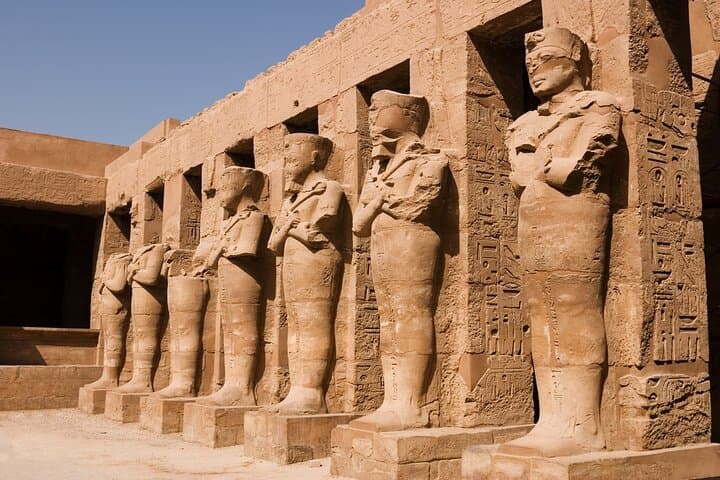
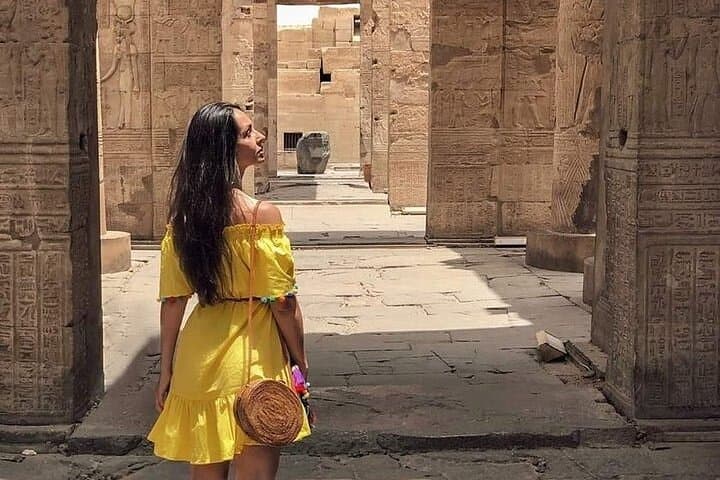
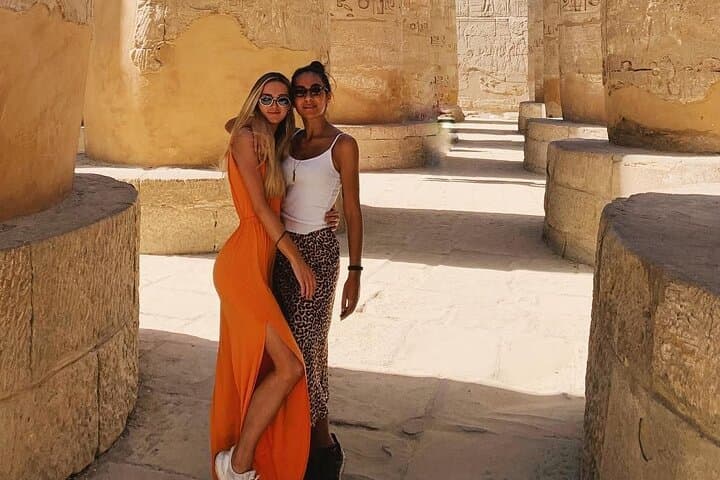
You wake before dawn in Cairo, collected from a hotel while the city is still gray, then rise above the Nile corridor to land in Luxor where columns and statues catch the first clean light.
Verified experiences and guided adventures in the surrounding area.
Operated by Nile Prince Travel · Luxor, Luxor Governorate
You wake before dawn in Cairo, collected from a hotel while the city is still gray, then rise above the Nile corridor to land in Luxor where columns and statues catch the first clean light.
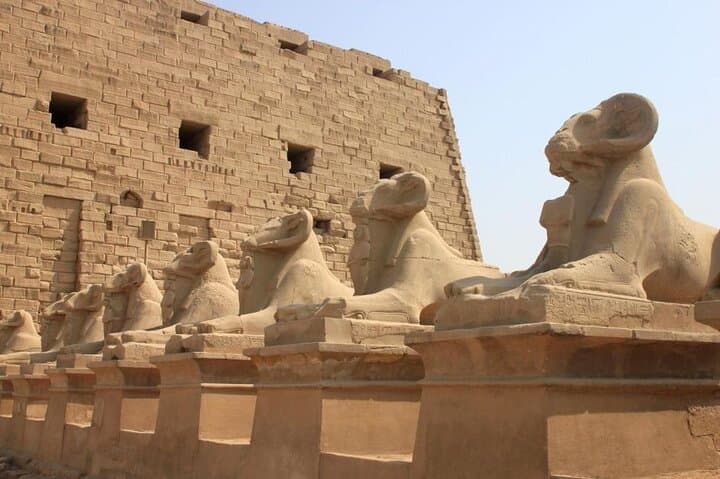
In two compact days this itinerary stitches together the high points of Upper Egypt: the temple avenues of Karnak and Luxor on the east bank, the rock-cut tombs of the Valley of the Kings and Hatshepsut’s tiered mortuary temple on the west, then a transfer by train to Aswan and a pre-dawn run to the cliff-carved Abu Simbel. The stones here are older than many modern borders — sandstone and limestone carved by pharaohs, later moved block by block when Lake Nasser rose behind the Aswan High Dam.
Culture and geology converge: the Nile still guides settlement and trade, while Nubian communities around Aswan keep distinct crafts and music. An Egyptologist guide interprets the hieroglyphs and funerary architecture; a professional photographer helps capture the light and scale.
Practical edge: expect a lot of short walks on uneven stone, exposed sun, and early starts — Abu Simbel visits often begin before sunrise to avoid heat and crowds. Flights reduce travel time but add transfer windows; an overnight in Aswan at a 4-star hotel breaks the trip. Bring sun protection, comfortable walking shoes with good traction, photocopies of travel documents, and small local currency for tipping and purchases. If you want space to move slower, plan extra days in Luxor or Aswan rather than squeezing everything into two.
easy.
2 days.
Basic fitness for multiple short walks, standing, and climbing steps; suitable for most travelers who can walk 1–3 miles spread over a day.
The tour typically includes domestic flights (Cairo–Luxor, Aswan–Cairo), some transfers and select admissions—confirm which site tickets and extras are covered when booking.
Many sites have uneven surfaces and steps; the operator lists wheelchair-accessible transport and some accessibility options, but check specifics for each temple and tomb before booking.
Most nationalities need an Egyptian entry visa; obtain it in advance or on arrival depending on your passport—also carry ID and travel documents during the tour.
Yes, the itinerary includes a qualified Egyptologist guide and often a professional photographer guide; ask at booking for language and guide details.
These monuments span millennia: New Kingdom pharaohs built Luxor and Karnak; Ramses II carved Abu Simbel and those temples were relocated during the 1960s as Lake Nasser rose after the Aswan High Dam.
Relocation projects and ongoing conservation balance tourism with preservation; follow local guidance, avoid touching reliefs, and use marked paths to reduce wear.
Nile Prince Travel operates guided outdoor trips and adventures with an emphasis on safety, stewardship, and memorable experiences.
You wake before dawn in Cairo, collected from a hotel while the city is still gray, then rise above the Nile corridor to land in Luxor where columns and statues catch the first clean light.
You wake before dawn in Cairo, collected from a hotel while the city is still gray, then rise above the Nile corridor to land in Luxor where columns and statues catch the first clean light.
In two compact days this itinerary stitches together the high points of Upper Egypt: the temple avenues of Karnak and Luxor on the east bank, the rock-cut tombs of the Valley of the Kings and Hatshepsut’s tiered mortuary temple on the west, then a transfer by train to Aswan and a pre-dawn run to the cliff-carved Abu Simbel. The stones here are older than many modern borders — sandstone and limestone carved by pharaohs, later moved block by block when Lake Nasser rose behind the Aswan High Dam.
Culture and geology converge: the Nile still guides settlement and trade, while Nubian communities around Aswan keep distinct crafts and music. An Egyptologist guide interprets the hieroglyphs and funerary architecture; a professional photographer helps capture the light and scale.
Practical edge: expect a lot of short walks on uneven stone, exposed sun, and early starts — Abu Simbel visits often begin before sunrise to avoid heat and crowds. Flights reduce travel time but add transfer windows; an overnight in Aswan at a 4-star hotel breaks the trip. Bring sun protection, comfortable walking shoes with good traction, photocopies of travel documents, and small local currency for tipping and purchases. If you want space to move slower, plan extra days in Luxor or Aswan rather than squeezing everything into two.