THE ADVENTURE COLLECTIVE® · Independent discovery and booking for outdoor travel

Sail the Nile between Aswan and Luxor on a six-day itinerary that pairs Cairo’s museums with temple visits, tombs and felucca-framed sunsets. This journey mixes guided archeology with relaxed cruising—ideal for travelers who want deep history with practical comfort.
Sail the Nile between Aswan and Luxor on a six-day itinerary that pairs Cairo’s museums with temple visits, tombs and felucca-framed sunsets. This journey mixes guided archeology with relaxed cruising—ideal for travelers who want deep history with practical comfort.
Morning in Cairo smells of strong coffee and dust; the city wakes beneath the shadow of the Giza Plateau as guides coordinate transfers and luggage is loaded for the short flight south. Within days the urban scramble gives way to the steady motion of the Nile — the river that has pushed civilizations forward for millennia — and a cruise ship becomes basecamp for exploring temples carved of stone older than modern nations.
Verified experiences and guided adventures in the surrounding area.
Operated by NORTH AFRICAN SHIPPING AND TOURISM COMPANY (NASCO TOURS) · Cairo, Cairo Governorate
Morning in Cairo smells of strong coffee and dust; the city wakes beneath the shadow of the Giza Plateau as guides coordinate transfers and luggage is loaded for the short flight south. Within days the urban scramble gives way to the steady motion of the Nile — the river that has pushed civilizations forward for millennia — and a cruise ship becomes basecamp for exploring temples carved of stone older than modern nations.
The route from Aswan to Luxor traces core chapters of Pharaonic history: Philae’s rescued columns, Kom Ombo’s mirror-image shrines, Edfu’s towering pylon and the cliff-cut tombs of the Valley of the Kings. Geology is visible in the warm sandstone of Luxor’s east bank and the pink granite quarries at Aswan where the Unfinished Obelisk still sits in its bed. Culture surfaces in Cairo’s Egyptian Museum and the crowded lanes of Khan el-Khalili, while Nubian villages and felucca-sailed islands remind travelers of living, local traditions.
Expect short drives, daily guided walks and a rhythm of embarkations and shore visits; most activities are low-impact but involve climbing temple steps and navigating sandy surfaces. Practical notes: carry breathability and sun protection for long daytime exposures; keep passport and ticket copies handy for multiple checkpoints; buy optional tomb tickets in cash at sites if you want extra tombs in the Valley of the Kings. Evenings on deck offer a cool Nile breeze and the chance to read inscriptions in the soft light, while daytime moves fast — bring comfortable shoes and time your temple visits for early morning or late afternoon to avoid the heat.
easy.
6 days.
Suitable for travelers in average fitness: involves walking on uneven ground, steps and embarking/disembarking boats.
Many nationalities can obtain a visa on arrival or e-visa before travel—check Egypt’s official consular website for current rules and carry printed confirmation.
Standard tickets include access to major sites listed in the itinerary; some tombs in the Valley of the Kings require additional on-site tickets or upgrades.
The itinerary is generally suitable for all ages, but visitors with limited mobility should report needs ahead of booking; some sites require climbing and uneven walking.
Bring sunscreen, rehydration salts and any prescription meds; consult your doctor about routine vaccinations and follow food-and-water safety advice.
The Nile corridor sustained Egypt’s pharaonic capitals for millennia; many temples were moved or modified after the Aswan High Dam altered the river’s floodplain.
Sites are protected and visitor numbers are managed; avoid touching reliefs, use marked paths and minimize plastic waste to reduce impact.
NORTH AFRICAN SHIPPING AND TOURISM COMPANY (NASCO TOURS) operates guided outdoor trips and adventures with an emphasis on safety, stewardship, and memorable experiences.
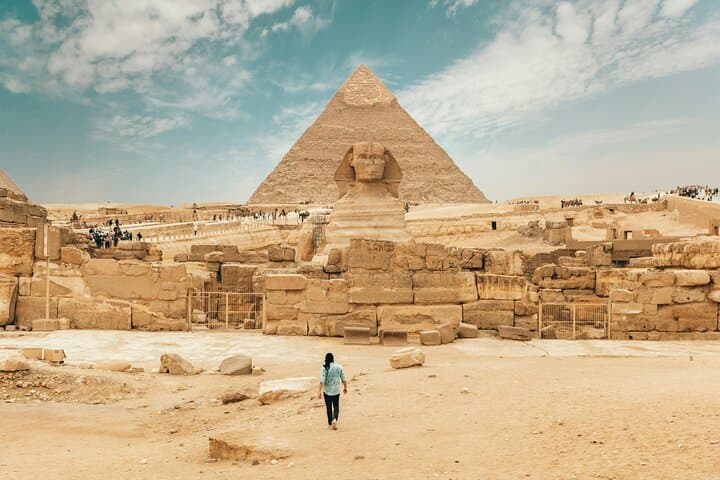
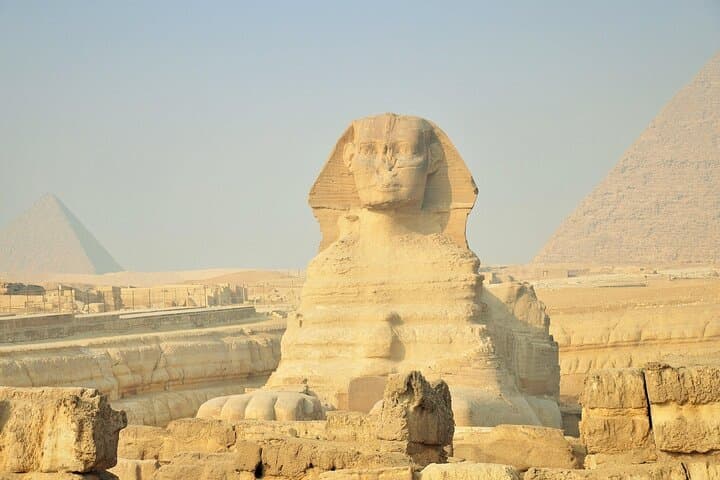
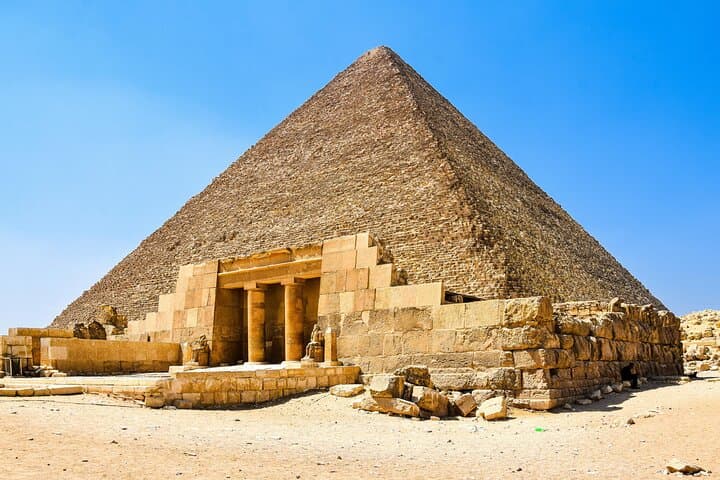
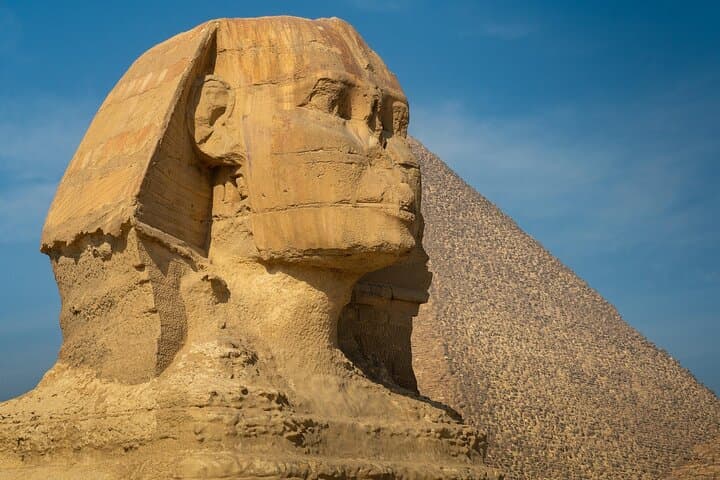
Morning in Cairo smells of strong coffee and dust; the city wakes beneath the shadow of the Giza Plateau as guides coordinate transfers and luggage is loaded for the short flight south. Within days the urban scramble gives way to the steady motion of the Nile — the river that has pushed civilizations forward for millennia — and a cruise ship becomes basecamp for exploring temples carved of stone older than modern nations.
Morning in Cairo smells of strong coffee and dust; the city wakes beneath the shadow of the Giza Plateau as guides coordinate transfers and luggage is loaded for the short flight south. Within days the urban scramble gives way to the steady motion of the Nile — the river that has pushed civilizations forward for millennia — and a cruise ship becomes basecamp for exploring temples carved of stone older than modern nations.
The route from Aswan to Luxor traces core chapters of Pharaonic history: Philae’s rescued columns, Kom Ombo’s mirror-image shrines, Edfu’s towering pylon and the cliff-cut tombs of the Valley of the Kings. Geology is visible in the warm sandstone of Luxor’s east bank and the pink granite quarries at Aswan where the Unfinished Obelisk still sits in its bed. Culture surfaces in Cairo’s Egyptian Museum and the crowded lanes of Khan el-Khalili, while Nubian villages and felucca-sailed islands remind travelers of living, local traditions.
Expect short drives, daily guided walks and a rhythm of embarkations and shore visits; most activities are low-impact but involve climbing temple steps and navigating sandy surfaces. Practical notes: carry breathability and sun protection for long daytime exposures; keep passport and ticket copies handy for multiple checkpoints; buy optional tomb tickets in cash at sites if you want extra tombs in the Valley of the Kings. Evenings on deck offer a cool Nile breeze and the chance to read inscriptions in the soft light, while daytime moves fast — bring comfortable shoes and time your temple visits for early morning or late afternoon to avoid the heat.