THE ADVENTURE COLLECTIVE® · Independent discovery and booking for outdoor travel

A private eight-day road tour from Cairo to Abu Simbel that moves from the Giza plateau through Luxor and Aswan, combining sleeper-train travel with Nile-side excursions and guided temple visits. Ideal for travelers who want concentrated access to Egypt’s major ancient sites with included transport and guides.
A private eight-day road tour from Cairo to Abu Simbel that moves from the Giza plateau through Luxor and Aswan, combining sleeper-train travel with Nile-side excursions and guided temple visits. Ideal for travelers who want concentrated access to Egypt’s major ancient sites with included transport and guides.
The sun lifts over the Giza plateau and heat shivers across limestone as a private vehicle slips away from Cairo toward the Nile’s southern curve. Over eight days the tour threads modern streets, desert highways and the river’s palm-lined banks, moving between the colossal stone of the pharaohs and the intimate moments of a felucca on Aswan’s water.
Verified experiences and guided adventures in the surrounding area.
Operated by Journey To Egypt · Cairo, Cairo Governorate
The sun lifts over the Giza plateau and heat shivers across limestone as a private vehicle slips away from Cairo toward the Nile’s southern curve. Over eight days the tour threads modern streets, desert highways and the river’s palm-lined banks, moving between the colossal stone of the pharaohs and the intimate moments of a felucca on Aswan’s water.
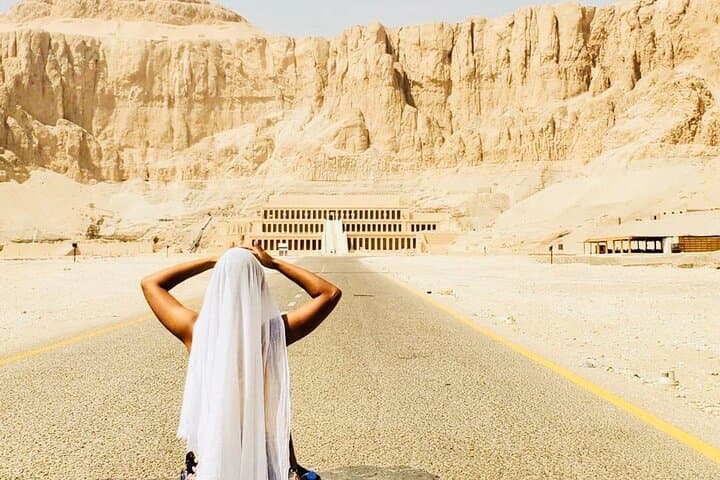
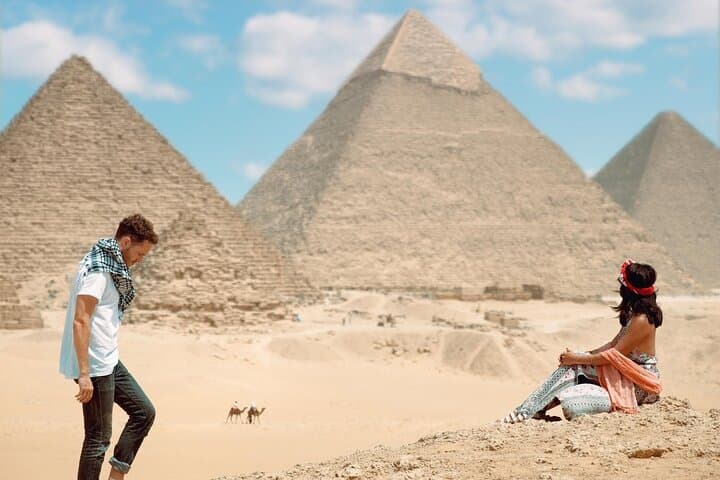
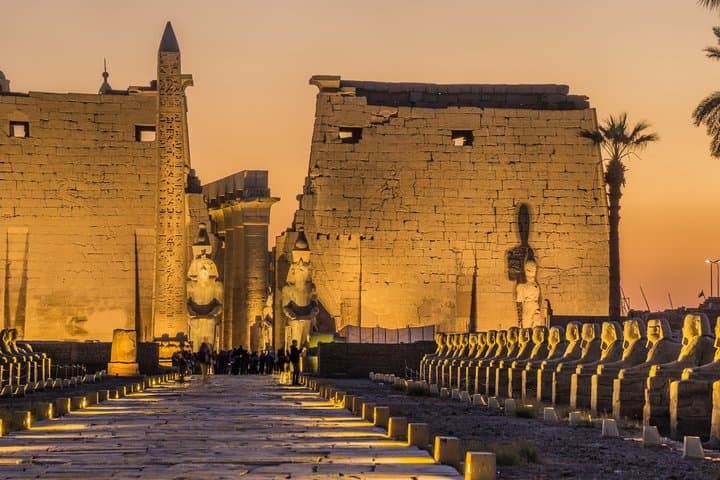
Travelers visit the Great Pyramids and Sphinx, explore Luxor’s East and West Banks with Karnak and the Valley of the Kings, cross to Aswan’s High Dam and Philae Temple, and make an early-morning drive to the relocated temples of Abu Simbel. The route traces Pharaonic power and modern engineering—the granite of ancient obelisks and the 1960s relocation of Abu Simbel above Lake Nasser. Along the way, Cairo’s museums and Khan el-Khalili bazaar offer cultural texture: Coptic and Islamic quarters, Ottoman streets, and the bustle of contemporary Egypt.
Practically, the itinerary balances sightseeing with rail and road transfers: two nights on an Egyptian sleeper train, multiple hotel nights, and early starts (Abu Simbel often begins before dawn). Expect hot days and cool nights in winter, crowded peak-season sites, and straightforward accessibility for most fitness levels. Bring sun protection, comfortable walking shoes, photocopies of travel documents, and small bills for entrances and local tips. Hydrate between sites and be ready for short walks over uneven stone and stairs inside temples. With a private guide and included transfers, this is an efficient, immersive route for travelers who want concentrated exposure to Egypt’s signature ancient sites without the logistics stress.
easy.
8 days.
Suitable for travelers in general good health; involves walking up to several hours across uneven temple surfaces and short transfers.
Most nationalities require a visa to enter Egypt—check current embassy rules and obtain a visa on arrival or in advance as appropriate.
The tour is suitable for most fitness levels; expect moderate walking at archaeological sites and some stair climbs, but no technical hiking.
Egyptian sleeper trains provide couchettes or compartments that are basic but serviceable; bring earplugs and a light layer for cool temperatures at night.
Typical inclusions are hotel nights, 2 sleeper-train nights, guided excursions, most entrance fees, breakfasts and several lunches/dinners—confirm specifics with the operator.
The route connects Old Kingdom pyramids, Theban temples of New Kingdom pharaohs, and modern interventions like the relocation of Abu Simbel in the 1960s during the creation of Lake Nasser.
High visitor numbers stress fragile ancient stone; follow paths, avoid touching reliefs, and use local guides who support site preservation initiatives.
Journey To Egypt operates guided outdoor trips and adventures with an emphasis on safety, stewardship, and memorable experiences.
The sun lifts over the Giza plateau and heat shivers across limestone as a private vehicle slips away from Cairo toward the Nile’s southern curve. Over eight days the tour threads modern streets, desert highways and the river’s palm-lined banks, moving between the colossal stone of the pharaohs and the intimate moments of a felucca on Aswan’s water.
The sun lifts over the Giza plateau and heat shivers across limestone as a private vehicle slips away from Cairo toward the Nile’s southern curve. Over eight days the tour threads modern streets, desert highways and the river’s palm-lined banks, moving between the colossal stone of the pharaohs and the intimate moments of a felucca on Aswan’s water.
Travelers visit the Great Pyramids and Sphinx, explore Luxor’s East and West Banks with Karnak and the Valley of the Kings, cross to Aswan’s High Dam and Philae Temple, and make an early-morning drive to the relocated temples of Abu Simbel. The route traces Pharaonic power and modern engineering—the granite of ancient obelisks and the 1960s relocation of Abu Simbel above Lake Nasser. Along the way, Cairo’s museums and Khan el-Khalili bazaar offer cultural texture: Coptic and Islamic quarters, Ottoman streets, and the bustle of contemporary Egypt.
Practically, the itinerary balances sightseeing with rail and road transfers: two nights on an Egyptian sleeper train, multiple hotel nights, and early starts (Abu Simbel often begins before dawn). Expect hot days and cool nights in winter, crowded peak-season sites, and straightforward accessibility for most fitness levels. Bring sun protection, comfortable walking shoes, photocopies of travel documents, and small bills for entrances and local tips. Hydrate between sites and be ready for short walks over uneven stone and stairs inside temples. With a private guide and included transfers, this is an efficient, immersive route for travelers who want concentrated exposure to Egypt’s signature ancient sites without the logistics stress.