THE ADVENTURE COLLECTIVE® · Independent discovery and booking for outdoor travel

An 8-day private tour linking Cairo’s icons with an Aswan-to-Luxor Nile cruise and a day trip to Abu Simbel. Expect curated museum time, rock-cut temples and managed transfers—ideal for travelers who want deep history with logistical support.
An 8-day private tour linking Cairo’s icons with an Aswan-to-Luxor Nile cruise and a day trip to Abu Simbel. Expect curated museum time, rock-cut temples and managed transfers—ideal for travelers who want deep history with logistical support.
You step out of Cairo’s humid morning into a stretch of asphalt that will carry you from the bustle of Tahrir Square to the hushed stone faces of Ramses II.
Verified experiences and guided adventures in the surrounding area.
Operated by Bastet Travel · Cairo, Cairo Governorate
You step out of Cairo’s humid morning into a stretch of asphalt that will carry you from the bustle of Tahrir Square to the hushed stone faces of Ramses II.
This eight-day itinerary pairs private guided time in Cairo with a short domestic flight to Aswan, a luxury Nile cruise and shore excursions to Kom Ombo, Edfu, Luxor and the relocated Abu Simbel temples. Expect wide boulevards and crowded bazaars to give way to the steady flow of the Nile — a river that presses history downstream and pushes the stories of pharaohs toward the sand.
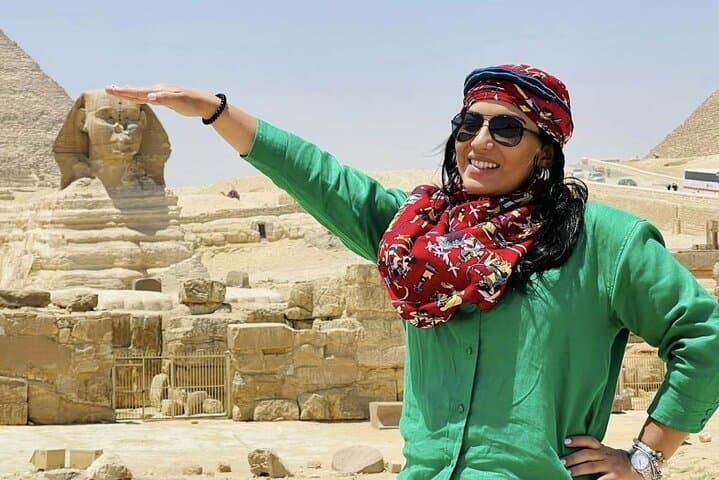
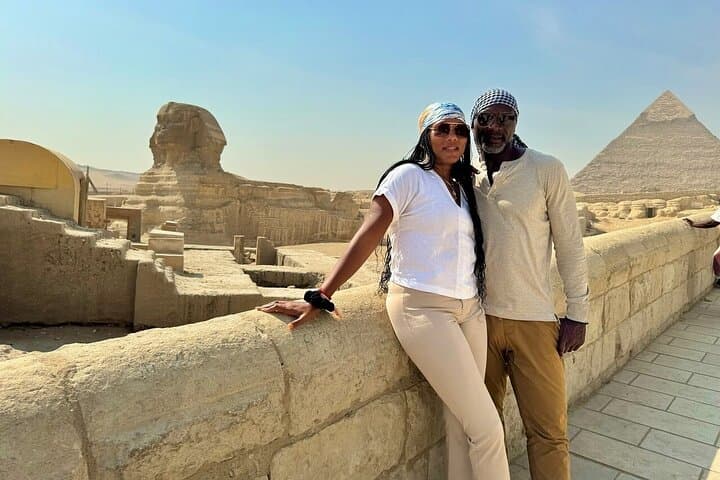
The route threads millennia of history: Old Kingdom pyramids and the Sphinx in Giza; the Grand Egyptian Museum’s Tutankhamun collection; Philae’s island temple; and Abu Simbel, carved into sandstone and engineered by the 1960s UNESCO relocation to survive the Aswan High Dam. Geologically, you move from alluvial floodplain through Nubian sandstone scarps, a visible shift that explains why temples were cut into rock here.
Culturally, each stop layers Coptic, Islamic and Pharaonic chapters; local guides translate iconography and ritual function into clear narratives.
Practical guidance: plan for early mornings at major sites to avoid heat and crowds, wear closed-toe shoes for uneven temple floors, carry reusable water and a sun layer, and keep passport copies handy for domestic flights. Transfers and many admissions are included, but limited-capacity tombs (like certain Valley of the Kings entrances) require on-site tickets.
This trip favors travelers who want organized comfort plus repeated encounters with ancient stone — a slow, tactile survey of Egypt’s core monuments with practical logistics handled for you.
easy.
8 days.
Light activity level; able to walk short distances, climb stairs and manage uneven temple surfaces.
Yes—domestic flights from Cairo to Aswan and from Luxor to Cairo are included in the itinerary.
Entry to Tutankhamun’s inner tomb often requires a separate, limited ticket purchased on-site; confirm with your guide early in the morning at the Valley of the Kings.
Many transfers and vehicles are wheelchair accessible, but some ancient sites have stairs and uneven ground; contact the operator to plan accommodations for mobility needs.
Visa requirements depend on nationality—many travelers obtain visas on arrival in Egypt; check your embassy and routine vaccinations before travel.
The Abu Simbel temples were carved under Ramses II (~13th century BCE) and physically relocated in the 1960s to avoid inundation from the Aswan High Dam.
The Nile cruise and site management are subject to visitor limits and conservation rules; reduce impact by staying on designated paths, minimizing plastic waste and following guide instructions.
Bastet Travel operates guided outdoor trips and adventures with an emphasis on safety, stewardship, and memorable experiences.


You step out of Cairo’s humid morning into a stretch of asphalt that will carry you from the bustle of Tahrir Square to the hushed stone faces of Ramses II.
You step out of Cairo’s humid morning into a stretch of asphalt that will carry you from the bustle of Tahrir Square to the hushed stone faces of Ramses II.
This eight-day itinerary pairs private guided time in Cairo with a short domestic flight to Aswan, a luxury Nile cruise and shore excursions to Kom Ombo, Edfu, Luxor and the relocated Abu Simbel temples. Expect wide boulevards and crowded bazaars to give way to the steady flow of the Nile — a river that presses history downstream and pushes the stories of pharaohs toward the sand.
The route threads millennia of history: Old Kingdom pyramids and the Sphinx in Giza; the Grand Egyptian Museum’s Tutankhamun collection; Philae’s island temple; and Abu Simbel, carved into sandstone and engineered by the 1960s UNESCO relocation to survive the Aswan High Dam. Geologically, you move from alluvial floodplain through Nubian sandstone scarps, a visible shift that explains why temples were cut into rock here.
Culturally, each stop layers Coptic, Islamic and Pharaonic chapters; local guides translate iconography and ritual function into clear narratives.
Practical guidance: plan for early mornings at major sites to avoid heat and crowds, wear closed-toe shoes for uneven temple floors, carry reusable water and a sun layer, and keep passport copies handy for domestic flights. Transfers and many admissions are included, but limited-capacity tombs (like certain Valley of the Kings entrances) require on-site tickets.
This trip favors travelers who want organized comfort plus repeated encounters with ancient stone — a slow, tactile survey of Egypt’s core monuments with practical logistics handled for you.