THE ADVENTURE COLLECTIVE® · Independent discovery and booking for outdoor travel

Ride a camel as the sun drops behind the Great Pyramids, then dine on a desert BBQ under open sky. This easy evening safari pairs dramatic views with practical hotel pickup and local guides.
Ride a camel as the sun drops behind the Great Pyramids, then dine on a desert BBQ under open sky. This easy evening safari pairs dramatic views with practical hotel pickup and local guides.
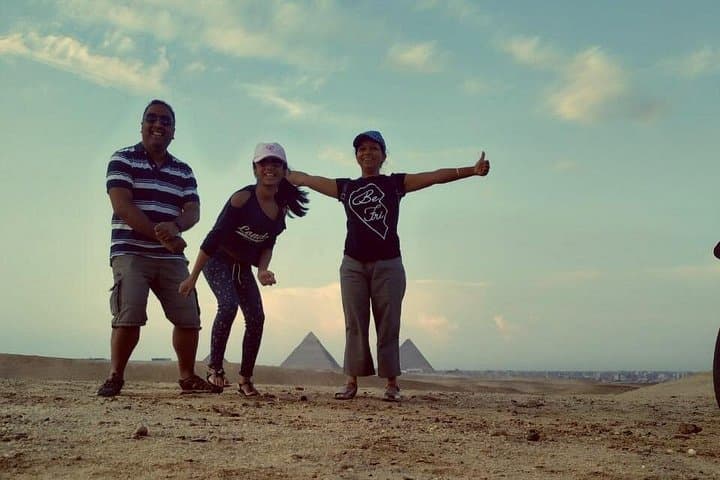
Sunlight slants low across the Plateau as you climb aboard a camel and the stones of the Great Pyramid turn from bleached limestone to warm honey. The animal breathes slow beneath you; the desert wind dares you to look away from the silhouette of Khufu, Khafre and Menkaure as they puncture the western sky.
Verified experiences and guided adventures in the surrounding area.
Operated by Visitors Egypt Tours · Giza, Giza Governorate
Sunlight slants low across the Plateau as you climb aboard a camel and the stones of the Great Pyramid turn from bleached limestone to warm honey. The animal breathes slow beneath you; the desert wind dares you to look away from the silhouette of Khufu, Khafre and Menkaure as they puncture the western sky.
The Giza Plateau is both arena and archive: pharaonic tombs aligned to cardinal points, quarried limestone that records sea-bed fossils, and millennia-old engineering that kept pyramids the tallest human structures for nearly 4,000 years. Once built as mortuary monuments, these pyramids now preside over a living urban edge — Cairo sprawls to the east while desert and saffron sunset hold the horizon.
Evening at Giza blends Bedouin campfire customs with modern tour hospitality. Guides translate layers of history and point out the engineering geometry; local grillmasters bring charcoal and kofta, turning the desert into a makeshift dinner room under the stars.
Practical guidance: this is an easy, low-impact activity but expect sand, uneven footing and a riding posture that tests core and balance for short periods. Wear closed-toe shoes, sun protection and a light layer for cooling night air after sunset. Hydrate before you arrive and tell organizers about back or neck issues — camels can be jostling on mounting and dismounting.
Timing matters: sunset light gives the best photos and cooler temperatures; pickup from Cairo hotels is standard. Respect staff directions around animals and leave no litter on the plateau to protect this fragile archaeological landscape.
easy.
5 hours.
Basic mobility and balance are sufficient; riders should be able to mount and sit upright for short periods. Not recommended for those with serious spinal injuries.
Yes; short, guided camel rides are commonly offered for families, but operators may set minimum age or weight limits and require parental supervision.
Most operators can accommodate common requests if notified in advance — indicate vegetarian or allergy needs at booking or during pickup.
Rides typically last 20–45 minutes depending on the package and group, with time before and after for photos and transitions.
Standard policy allows full refund if canceled at least 24 hours before departure; check your voucher for exact terms and weather-related changes.
The Giza Pyramids were built in the Fourth Dynasty (c. 2600–2500 BCE) as royal tombs; their orientation and construction reflect sophisticated ancient surveying and labor organization.
Heavy visitor traffic stresses the plateau’s fragile stones and surrounding desert; stick to established routes, avoid climbing monuments and pack out all waste to support preservation efforts.
Visitors Egypt Tours operates guided outdoor trips and adventures with an emphasis on safety, stewardship, and memorable experiences.

Sunlight slants low across the Plateau as you climb aboard a camel and the stones of the Great Pyramid turn from bleached limestone to warm honey. The animal breathes slow beneath you; the desert wind dares you to look away from the silhouette of Khufu, Khafre and Menkaure as they puncture the western sky.
Sunlight slants low across the Plateau as you climb aboard a camel and the stones of the Great Pyramid turn from bleached limestone to warm honey. The animal breathes slow beneath you; the desert wind dares you to look away from the silhouette of Khufu, Khafre and Menkaure as they puncture the western sky.
The Giza Plateau is both arena and archive: pharaonic tombs aligned to cardinal points, quarried limestone that records sea-bed fossils, and millennia-old engineering that kept pyramids the tallest human structures for nearly 4,000 years. Once built as mortuary monuments, these pyramids now preside over a living urban edge — Cairo sprawls to the east while desert and saffron sunset hold the horizon.
Evening at Giza blends Bedouin campfire customs with modern tour hospitality. Guides translate layers of history and point out the engineering geometry; local grillmasters bring charcoal and kofta, turning the desert into a makeshift dinner room under the stars.
Practical guidance: this is an easy, low-impact activity but expect sand, uneven footing and a riding posture that tests core and balance for short periods. Wear closed-toe shoes, sun protection and a light layer for cooling night air after sunset. Hydrate before you arrive and tell organizers about back or neck issues — camels can be jostling on mounting and dismounting.
Timing matters: sunset light gives the best photos and cooler temperatures; pickup from Cairo hotels is standard. Respect staff directions around animals and leave no litter on the plateau to protect this fragile archaeological landscape.