THE ADVENTURE COLLECTIVE® · Independent discovery and booking for outdoor travel

Ride a camel at sunset across the Giza Plateau, watch the Great Pyramids change color, then settle in for a local-style BBQ dinner. This private 4–5 hour experience pairs accessible animal handling with curated viewpoints and cultural interaction.
Ride a camel at sunset across the Giza Plateau, watch the Great Pyramids change color, then settle in for a local-style BBQ dinner. This private 4–5 hour experience pairs accessible animal handling with curated viewpoints and cultural interaction.
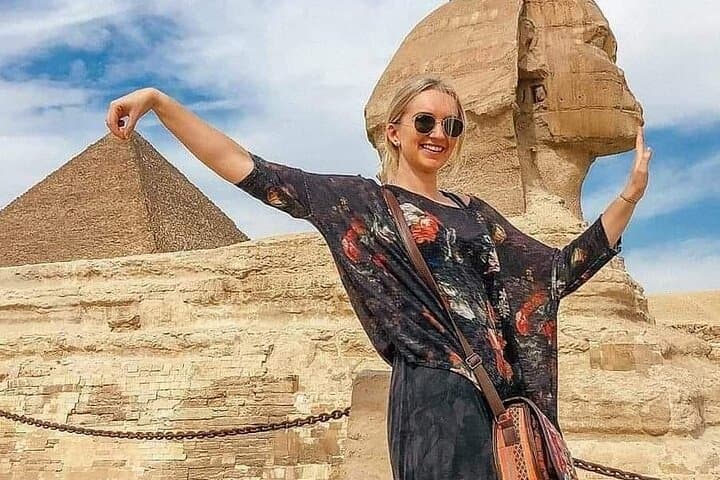
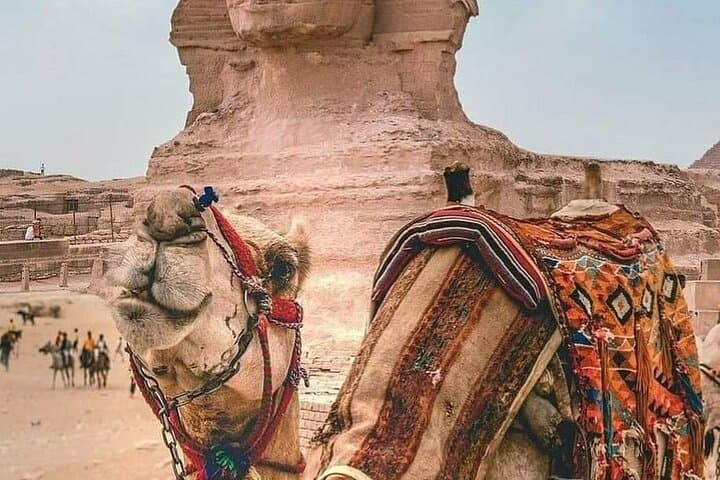
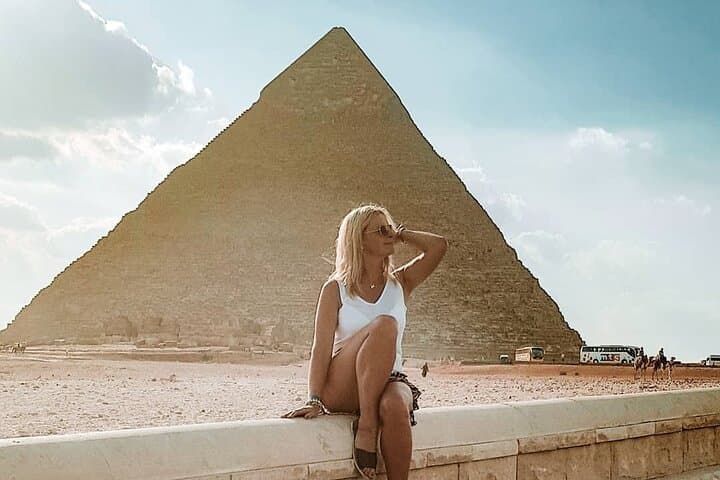
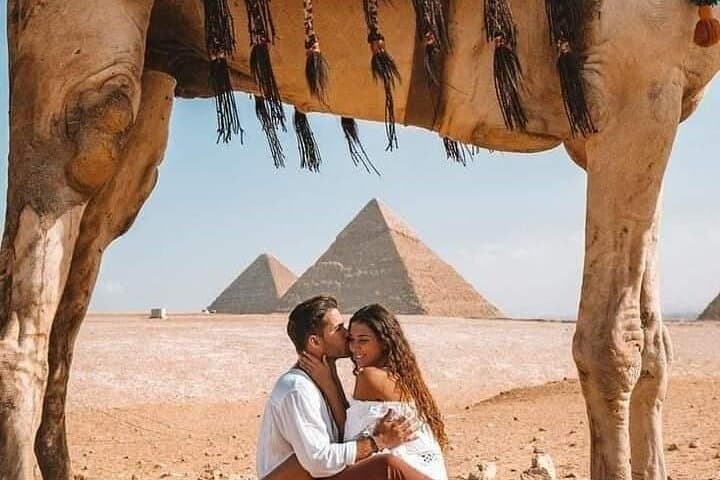
The desert wind nudges your scarf as a line of camels files onto the plateau and the blocky silhouette of Khufu, Khafre and Menkaure sharpens against late light. Riding along the western edge of the Giza Plateau, you watch the three pyramids shift from stone to ochre while handlers steer steady, slow steps across sand compacted by millennia of traffic.
Verified experiences and guided adventures in the surrounding area.
Operated by Three Pyramids Tours · Giza, Giza Governorate
The desert wind nudges your scarf as a line of camels files onto the plateau and the blocky silhouette of Khufu, Khafre and Menkaure sharpens against late light. Riding along the western edge of the Giza Plateau, you watch the three pyramids shift from stone to ochre while handlers steer steady, slow steps across sand compacted by millennia of traffic.
The pyramids themselves are funerary monuments from Egypt’s Old Kingdom—massive limestone structures built around 4,500 years ago to house kings and their goods. The plateau is a patchwork of bedrock, worked stone and sand; beneath the sand, bedrock terraces and the remains of funerary complexes tell of ancient quarrying and ritual approaches. Culturally, the experience is shaped by local guides and camel handlers whose livelihoods weave tourism, storytelling and traditional hospitality—the evening BBQ and music extend that exchange into a shared meal.
Practically, this is a low-impact, accessible outing: rides are gentle and suitable for most fitness levels, but travelers with back or spine issues should skip the camel portion. Aim to arrive 60–90 minutes before sunset for optimal light and cooler temperatures. Dress in layered, breathable clothing, closed-toe shoes for walking between mounts and bring 1–2 liters of water. Respect clearance zones: climbing pyramids is prohibited and damages the site. Bring an ISO or small tip for handlers and your guide—cash is customary.
Expect 4–5 hours from hotel pickup to return, photography-friendly light at dusk, and a BBQ dinner that introduces grilled meats, simple salads and local tea. The ride combines easy motion, ancient scale and a practical rhythm: slow camel steps, cooling air, and a horizon that keeps drawing your gaze back to the stones.
easy.
4–5 hours.
Suitable for most travelers with reasonable mobility; not recommended for people with spinal injuries or severe mobility limits.
Yes—rides are generally family-friendly, but operators may set age or weight limits; check at booking and supervise young children at mounting points.
Operators typically offer camel rides at Giza, but some tours provide a horse option; confirm which animal is available when you book.
This private tour usually includes hotel pickup and drop-off in Cairo or Giza; confirm your pickup point and time when you book.
Photography is allowed for visitors, but drone use is restricted and often prohibited without permits—do not fly drones without prior authorization.
The Giza pyramids were constructed during Egypt’s Fourth Dynasty (c. 2600–2500 BCE) as monumental tombs; the Great Pyramid served as the tallest man-made structure for millennia.
Tourism pressure and foot traffic risk erosion of the plateau; stick to marked paths, avoid littering and support licensed guides who follow site protection rules.
Three Pyramids Tours operates guided outdoor trips and adventures with an emphasis on safety, stewardship, and memorable experiences.
The desert wind nudges your scarf as a line of camels files onto the plateau and the blocky silhouette of Khufu, Khafre and Menkaure sharpens against late light. Riding along the western edge of the Giza Plateau, you watch the three pyramids shift from stone to ochre while handlers steer steady, slow steps across sand compacted by millennia of traffic.
The desert wind nudges your scarf as a line of camels files onto the plateau and the blocky silhouette of Khufu, Khafre and Menkaure sharpens against late light. Riding along the western edge of the Giza Plateau, you watch the three pyramids shift from stone to ochre while handlers steer steady, slow steps across sand compacted by millennia of traffic.
The pyramids themselves are funerary monuments from Egypt’s Old Kingdom—massive limestone structures built around 4,500 years ago to house kings and their goods. The plateau is a patchwork of bedrock, worked stone and sand; beneath the sand, bedrock terraces and the remains of funerary complexes tell of ancient quarrying and ritual approaches. Culturally, the experience is shaped by local guides and camel handlers whose livelihoods weave tourism, storytelling and traditional hospitality—the evening BBQ and music extend that exchange into a shared meal.
Practically, this is a low-impact, accessible outing: rides are gentle and suitable for most fitness levels, but travelers with back or spine issues should skip the camel portion. Aim to arrive 60–90 minutes before sunset for optimal light and cooler temperatures. Dress in layered, breathable clothing, closed-toe shoes for walking between mounts and bring 1–2 liters of water. Respect clearance zones: climbing pyramids is prohibited and damages the site. Bring an ISO or small tip for handlers and your guide—cash is customary.
Expect 4–5 hours from hotel pickup to return, photography-friendly light at dusk, and a BBQ dinner that introduces grilled meats, simple salads and local tea. The ride combines easy motion, ancient scale and a practical rhythm: slow camel steps, cooling air, and a horizon that keeps drawing your gaze back to the stones.