THE ADVENTURE COLLECTIVE® · Independent discovery and booking for outdoor travel

Make the most of a Cairo layover with a private, eight-hour stopover that pairs the Giza Pyramids and Sphinx with a 30-minute camel ride and a focused visit to the Egyptian Museum. Practical, guided, and timed for travelers with limited hours.
Make the most of a Cairo layover with a private, eight-hour stopover that pairs the Giza Pyramids and Sphinx with a 30-minute camel ride and a focused visit to the Egyptian Museum. Practical, guided, and timed for travelers with limited hours.
You step off the plane and the desert greets you like a living map—hot air lifting off the tarmac as your guide steers toward the Giza Plateau.
Verified experiences and guided adventures in the surrounding area.
Operated by Misk Tours · Giza, Giza Governorate
You step off the plane and the desert greets you like a living map—hot air lifting off the tarmac as your guide steers toward the Giza Plateau.
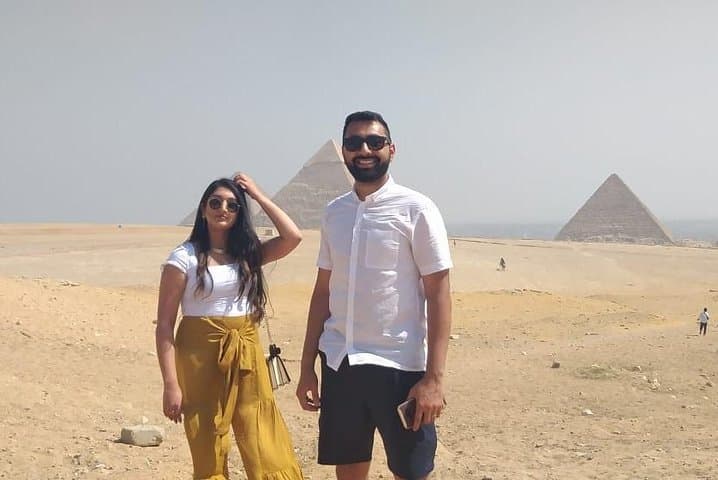
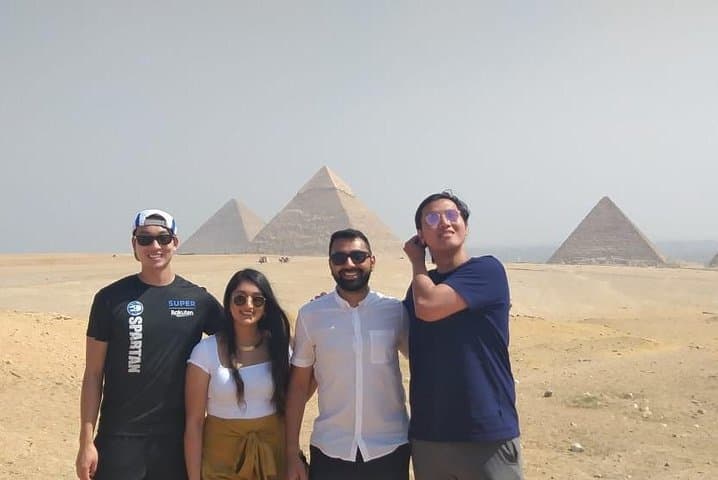
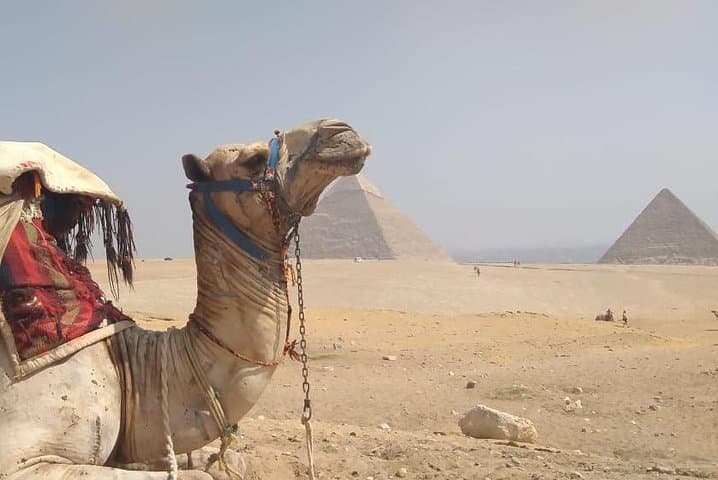
At the panorama overlook the three main pyramids loom in the distance; the Great Pyramid of Khufu holds a geometry that still unnerves the eye. Sandways and packed limestone underfoot give way to the flattened hill where camels wander, indifferent and patient, offering a slow, swaying ride that puts the scale of the monuments in human rhythm.
This corridor of stone dates to the Fourth Dynasty, roughly 4,500 years ago, carved from local limestone and set on a bedrock terrace above fertile Nile floodplains. The nearby Sphinx, hewn from a single outcrop, guards the approach and carries centuries of restoration and myth. Later, in downtown Cairo, the Egyptian Museum concentrates the urban pulse—golden funerary masks, statuary, and artifacts that anchor the pyramids to court life, religion and burial practice.
Practicalities are compact: expect an eight-hour private itinerary with airport pickup/drop-off, about 1–3 km of walking between viewpoints and exhibits, and a 30-minute camel ride. Wear sturdy shoes for dusty uneven surfaces, carry water and sun protection, and budget time for security lines and museum queues. Photography is allowed in most outdoor areas; museum rules vary for some galleries.
This is a stopover that trades long transit for concentrated context—the monuments demanding only curiosity, sensible footwear, and a willingness to trade a few hours for a rare, compressed view of ancient Egypt.
easy.
8 hours.
Suitable for travelers in normal physical condition; involves short walks up to a few kilometers and standing during museum visits.
The standard itinerary lists admission included for the Giza plateau viewpoints and the Egyptian Museum; verify with your operator if access to internal pyramid chambers or special museum exhibits requires additional fees.
The tour includes a roughly 30-minute camel ride around the pyramid area from the panorama zone; riding conditions are basic and typically conducted on short loops.
Yes — this stopover provides private pickup and drop-off at Cairo International Airport; you’ll be met by a guide holding a name board in the arrivals area.
The tour is rated easy but involves uneven ground and sand; travelers with mobility impairments should check accessibility for each site and notify the operator in advance.
The Great Pyramid of Khufu dates to the Fourth Dynasty (circa 2560 BCE) and is the only surviving structure of the original Seven Wonders of the Ancient World.
High visitor numbers and urban pollution pose conservation challenges; follow guide instructions, avoid touching artifacts, and minimize plastic waste to reduce impact.
Misk Tours operates guided outdoor trips and adventures with an emphasis on safety, stewardship, and memorable experiences.
You step off the plane and the desert greets you like a living map—hot air lifting off the tarmac as your guide steers toward the Giza Plateau.
You step off the plane and the desert greets you like a living map—hot air lifting off the tarmac as your guide steers toward the Giza Plateau.
At the panorama overlook the three main pyramids loom in the distance; the Great Pyramid of Khufu holds a geometry that still unnerves the eye. Sandways and packed limestone underfoot give way to the flattened hill where camels wander, indifferent and patient, offering a slow, swaying ride that puts the scale of the monuments in human rhythm.
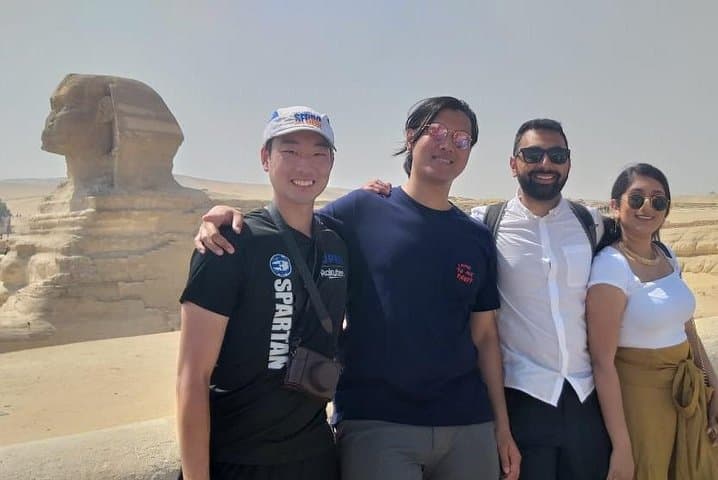
This corridor of stone dates to the Fourth Dynasty, roughly 4,500 years ago, carved from local limestone and set on a bedrock terrace above fertile Nile floodplains. The nearby Sphinx, hewn from a single outcrop, guards the approach and carries centuries of restoration and myth. Later, in downtown Cairo, the Egyptian Museum concentrates the urban pulse—golden funerary masks, statuary, and artifacts that anchor the pyramids to court life, religion and burial practice.
Practicalities are compact: expect an eight-hour private itinerary with airport pickup/drop-off, about 1–3 km of walking between viewpoints and exhibits, and a 30-minute camel ride. Wear sturdy shoes for dusty uneven surfaces, carry water and sun protection, and budget time for security lines and museum queues. Photography is allowed in most outdoor areas; museum rules vary for some galleries.
This is a stopover that trades long transit for concentrated context—the monuments demanding only curiosity, sensible footwear, and a willingness to trade a few hours for a rare, compressed view of ancient Egypt.