THE ADVENTURE COLLECTIVE® · Independent discovery and booking for outdoor travel

Taste the scent of perfume shops, finger the weave of handloom scarves, and watch papyrus and leather crafted by local artisans. This guided, private tour takes you beyond tourist stalls into Cairo’s working markets for a practical, sensory shopping experience.
Taste the scent of perfume shops, finger the weave of handloom scarves, and watch papyrus and leather crafted by local artisans. This guided, private tour takes you beyond tourist stalls into Cairo’s working markets for a practical, sensory shopping experience.
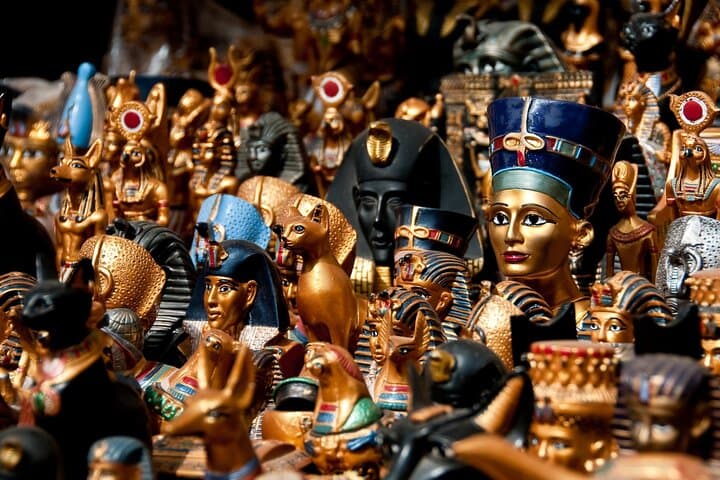
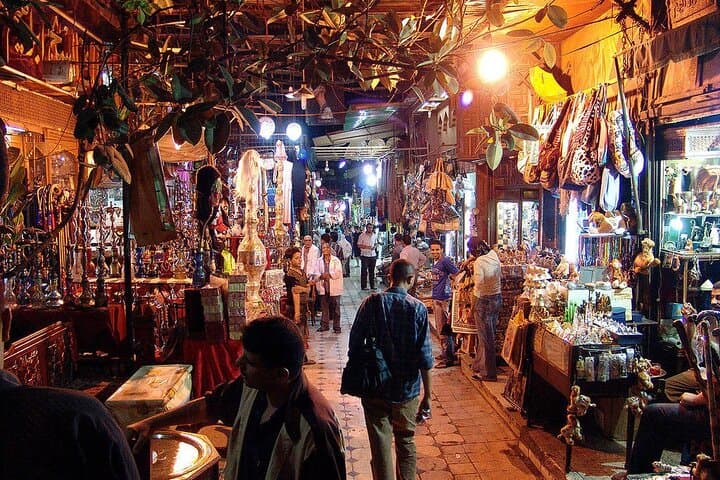
You step from the A/C van and a corridor of calls, scents, and color pulls you forward—the bazaars of Cairo move like a living market, each stall an argument in texture and smell.
Verified experiences and guided adventures in the surrounding area.
Operated by Tripianto · Cairo, Cairo Governorate
You step from the A/C van and a corridor of calls, scents, and color pulls you forward—the bazaars of Cairo move like a living market, each stall an argument in texture and smell.
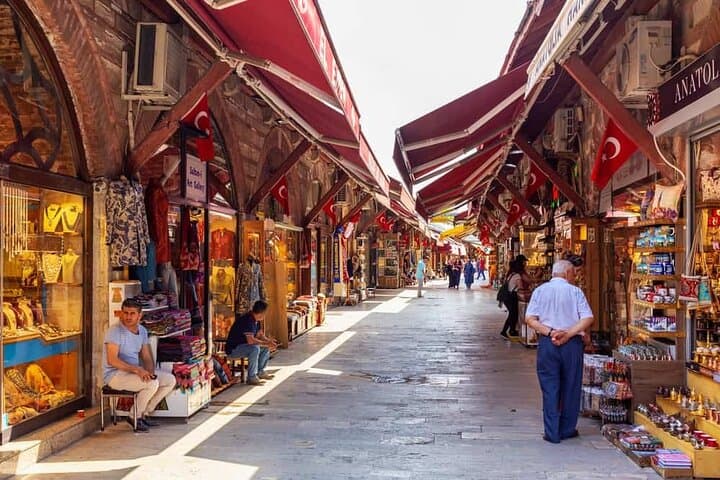
These markets grew where the Nile’s rhythms met urban trade routes. Papyrus and perfumery tie back to Pharaonic craft; cotton and leather reflect modern Egyptian industry. Walkways alternate between shaded arcades and narrow cobbled alleys, while vendors polish silver, roll spices into cones, and unfurl handwoven scarves.
Geology and the Nile matter here: mud from the river made papyrus and later fertile soil for cotton, shaping crafts that depend on local materials. Culturally, bazaars are social places as much as commercial ones—tea, conversation, and bargaining are part of the exchange.
On this private, guided tour you’ll visit cotton workshops, leather shops, perfume houses, and papyrus makers—your guide explains production, points out authentic stamps, and helps with language and prices. Expect 4–6 hours of mostly flat walking with frequent stops; surfaces vary from smooth tile to uneven cobbles. The tour is wheelchair accessible but some historic alleys can be tight—ask your guide about alternate routing.
Practical tips: bring small bills for purchases, wear comfortable shoes, and carry a water bottle; plan to shop in the morning or late afternoon to avoid Cairo’s peak heat. Whether you’re buying a keepsake or watching artisans at work, the experience mixes sensory detail with a clear look at how these crafts fit into modern Egyptian life.
easy.
6 hours.
Suitable for most fitness levels; involves several hours of standing and walking on flat to uneven pavement
Yes—the operator notes wheelchair-accessible transportation and routes, though some historic alleyways may be tight; the guide will adapt the itinerary as needed.
Yes—the Egyptologist guide can advise on fair prices and assist with language during negotiations.
Authenticity varies by shop; guides point out reputable artisans and tell you what marks genuine materials; refund policies depend on individual vendors.
Snacks are included per the itinerary; mention dietary restrictions when booking so the guide can accommodate them.
Cairo’s bazaars evolved from medieval trade hubs and earlier Nile-era craft traditions; papyrus and perfume trades have roots in ancient Egyptian practices and continued through Ottoman-era commerce.
Look for shops using sustainably sourced materials and avoid items made from protected wildlife; minimizing single-use plastics and packing out litter helps keep market alleys tidy.
Tripianto operates guided outdoor trips and adventures with an emphasis on safety, stewardship, and memorable experiences.

You step from the A/C van and a corridor of calls, scents, and color pulls you forward—the bazaars of Cairo move like a living market, each stall an argument in texture and smell.
You step from the A/C van and a corridor of calls, scents, and color pulls you forward—the bazaars of Cairo move like a living market, each stall an argument in texture and smell.
These markets grew where the Nile’s rhythms met urban trade routes. Papyrus and perfumery tie back to Pharaonic craft; cotton and leather reflect modern Egyptian industry. Walkways alternate between shaded arcades and narrow cobbled alleys, while vendors polish silver, roll spices into cones, and unfurl handwoven scarves.
Geology and the Nile matter here: mud from the river made papyrus and later fertile soil for cotton, shaping crafts that depend on local materials. Culturally, bazaars are social places as much as commercial ones—tea, conversation, and bargaining are part of the exchange.
On this private, guided tour you’ll visit cotton workshops, leather shops, perfume houses, and papyrus makers—your guide explains production, points out authentic stamps, and helps with language and prices. Expect 4–6 hours of mostly flat walking with frequent stops; surfaces vary from smooth tile to uneven cobbles. The tour is wheelchair accessible but some historic alleys can be tight—ask your guide about alternate routing.
Practical tips: bring small bills for purchases, wear comfortable shoes, and carry a water bottle; plan to shop in the morning or late afternoon to avoid Cairo’s peak heat. Whether you’re buying a keepsake or watching artisans at work, the experience mixes sensory detail with a clear look at how these crafts fit into modern Egyptian life.