THE ADVENTURE COLLECTIVE® · Independent discovery and booking for outdoor travel

Spend a focused day exploring the Giza Plateau and the Egyptian Museum with a private guide and transfers included. This full‑day tour pairs the monumental scale of the pyramids with intimate museum highlights—ideal for travelers who want history, context, and a seamless itinerary.
Spend a focused day exploring the Giza Plateau and the Egyptian Museum with a private guide and transfers included. This full‑day tour pairs the monumental scale of the pyramids with intimate museum highlights—ideal for travelers who want history, context, and a seamless itinerary.
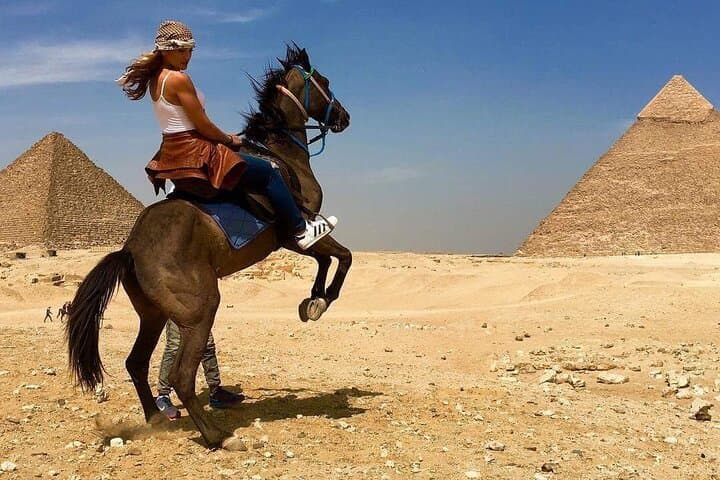
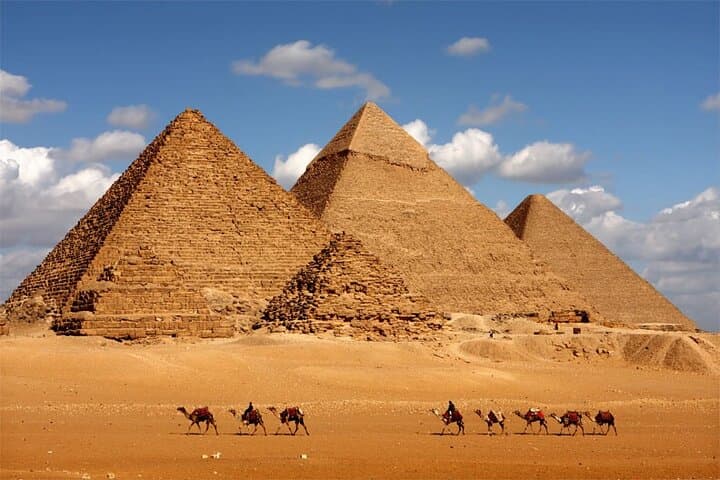
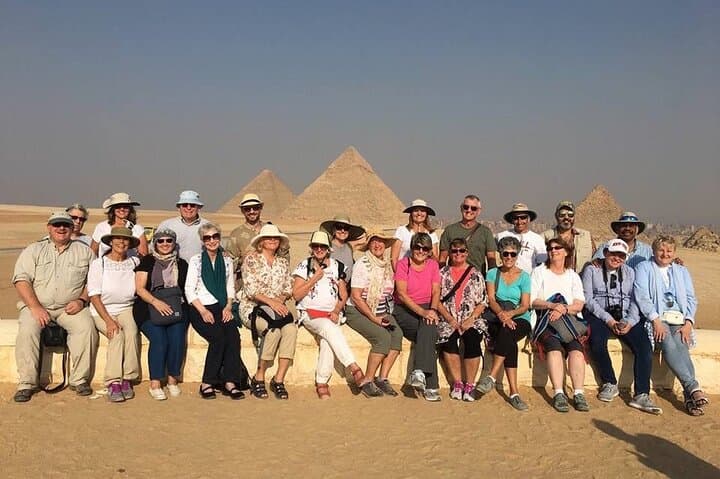
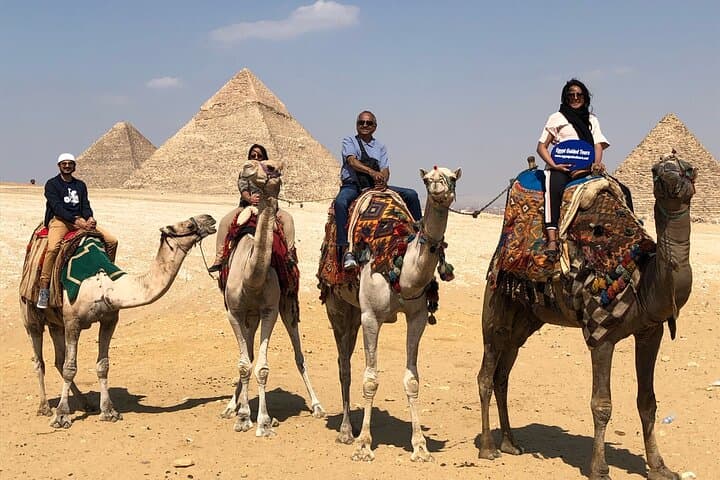
You step out of a sleek air‑conditioned car into a sun‑washed expanse of sand and stone where the Great Pyramids rise like engineered cliffs against the blue. Wind presses warm grit across the plateau; camels and guards flank broad walkways while the Sphinx regards the flow of visitors with an immovable calm. The day moves from open desert to the dim, cool rooms of the Egyptian Museum—gold flashing under glass, tiny funerary masks that once rested on a king's face.
Verified experiences and guided adventures in the surrounding area.
Operated by Egypt Guided Tours · Giza, Giza Governorate
You step out of a sleek air‑conditioned car into a sun‑washed expanse of sand and stone where the Great Pyramids rise like engineered cliffs against the blue. Wind presses warm grit across the plateau; camels and guards flank broad walkways while the Sphinx regards the flow of visitors with an immovable calm. The day moves from open desert to the dim, cool rooms of the Egyptian Museum—gold flashing under glass, tiny funerary masks that once rested on a king's face.
The Giza Pyramids date to the Fourth Dynasty of the Old Kingdom (ca. 26th century BCE), monuments of limestone and labor that mark a geological boundary between the cultivated Nile valley and the arid Western Desert. The Sphinx and Valley Temple reflect ritual landscapes where funerary processions met stone architecture. The Egyptian Museum in downtown Cairo holds artifacts spanning millennia, notably Tutankhamun’s funerary assemblage, which crystallized modern interest in Egyptology.
Practical guidance: the tour covers roughly 2–4 km of walking across uneven, sandy surfaces and includes transfers and entrance fees. Expect bright sun and dust; early starts avoid the heat and crowds. Cameras are allowed in most outdoor areas but can be restricted indoors—follow your guide’s direction. Wear sturdy shoes with good tread, sun protection, and bring water and small change for tips and refreshments. The schedule typically allocates time at each major stop—Pyramids (about 90–120 minutes), Sphinx/Valley Temple (30 minutes), and the Egyptian Museum (about 90–120 minutes)—so plan for an 8‑hour day. Respect site rules: climbing monuments is prohibited and supports long‑term conservation. With a private guide and transportation included, the tour streamlines logistics while giving context to one of the world’s most enduring landscapes.
easy.
8 hours.
Light to moderate—able to walk 2–4 km over uneven ground with occasional standing.
Yes—this tour includes entrance tickets to the Giza Plateau, the Sphinx/Valley Temple, and the Egyptian Museum as stated in the itinerary.
Yes—transport and pacing are private and the tour is described as suitable for all physical fitness levels, but plan for walking and sun exposure.
Access to enter pyramids depends on current site regulations and ticket availability; check with your guide in advance—some pyramid interior access carries extra fees and limited capacity.
Lunch is included in this tour; water, snacks, and additional purchases are typically your responsibility unless specified otherwise.
The pyramids were built during Egypt’s Old Kingdom as monumental tombs and engineering projects tied to royal mortuary cults; the Egyptian Museum houses thousands of artifacts from across pharaonic history, including Tutankhamun’s treasures.
Visitor pressure and erosion are ongoing concerns—avoid climbing or touching carved stone, follow designated paths, and support conservation by using licensed guides and respecting site rules.
Egypt Guided Tours operates guided outdoor trips and adventures with an emphasis on safety, stewardship, and memorable experiences.
You step out of a sleek air‑conditioned car into a sun‑washed expanse of sand and stone where the Great Pyramids rise like engineered cliffs against the blue. Wind presses warm grit across the plateau; camels and guards flank broad walkways while the Sphinx regards the flow of visitors with an immovable calm. The day moves from open desert to the dim, cool rooms of the Egyptian Museum—gold flashing under glass, tiny funerary masks that once rested on a king's face.
You step out of a sleek air‑conditioned car into a sun‑washed expanse of sand and stone where the Great Pyramids rise like engineered cliffs against the blue. Wind presses warm grit across the plateau; camels and guards flank broad walkways while the Sphinx regards the flow of visitors with an immovable calm. The day moves from open desert to the dim, cool rooms of the Egyptian Museum—gold flashing under glass, tiny funerary masks that once rested on a king's face.
The Giza Pyramids date to the Fourth Dynasty of the Old Kingdom (ca. 26th century BCE), monuments of limestone and labor that mark a geological boundary between the cultivated Nile valley and the arid Western Desert. The Sphinx and Valley Temple reflect ritual landscapes where funerary processions met stone architecture. The Egyptian Museum in downtown Cairo holds artifacts spanning millennia, notably Tutankhamun’s funerary assemblage, which crystallized modern interest in Egyptology.
Practical guidance: the tour covers roughly 2–4 km of walking across uneven, sandy surfaces and includes transfers and entrance fees. Expect bright sun and dust; early starts avoid the heat and crowds. Cameras are allowed in most outdoor areas but can be restricted indoors—follow your guide’s direction. Wear sturdy shoes with good tread, sun protection, and bring water and small change for tips and refreshments. The schedule typically allocates time at each major stop—Pyramids (about 90–120 minutes), Sphinx/Valley Temple (30 minutes), and the Egyptian Museum (about 90–120 minutes)—so plan for an 8‑hour day. Respect site rules: climbing monuments is prohibited and supports long‑term conservation. With a private guide and transportation included, the tour streamlines logistics while giving context to one of the world’s most enduring landscapes.