THE ADVENTURE COLLECTIVE® · Independent discovery and booking for outdoor travel

Spend a full day tracing Cairo’s layered history from the Egyptian Museum’s ancient treasures to the hilltop Citadel and the narrow lanes of Coptic Cairo. This private guided tour links major sites with practical logistics for a focused cultural walk.
Spend a full day tracing Cairo’s layered history from the Egyptian Museum’s ancient treasures to the hilltop Citadel and the narrow lanes of Coptic Cairo. This private guided tour links major sites with practical logistics for a focused cultural walk.
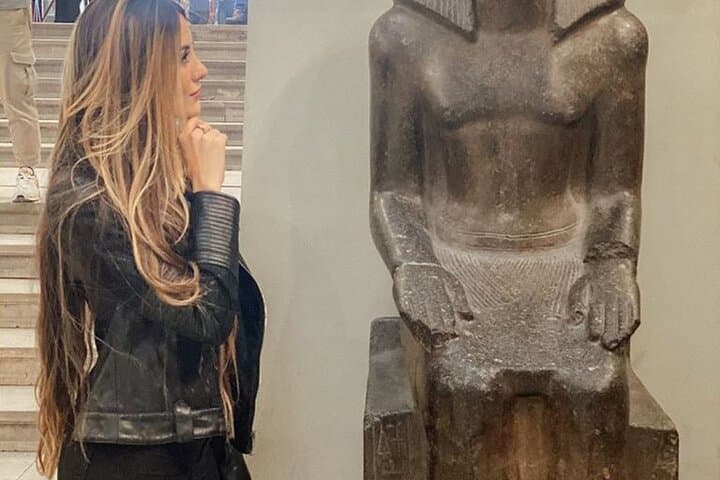
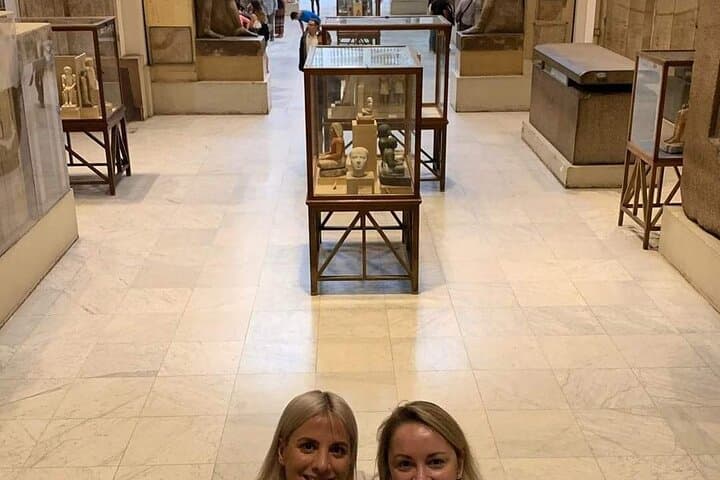
The day begins before the heat builds: your guide meets you at the hotel and the car threads through Cairo’s layered streets toward Tahrir Square. Inside the Egyptian Museum, gilded cases and glass-fronted cabinets hold gold that still burns with a dry, desert light; outside, the city hums — merchants, honking cars, the distant sweep of minarets.
Verified experiences and guided adventures in the surrounding area.
Operated by Egypt Gift Tours · Cairo, Cairo Governorate
The day begins before the heat builds: your guide meets you at the hotel and the car threads through Cairo’s layered streets toward Tahrir Square. Inside the Egyptian Museum, gilded cases and glass-fronted cabinets hold gold that still burns with a dry, desert light; outside, the city hums — merchants, honking cars, the distant sweep of minarets.
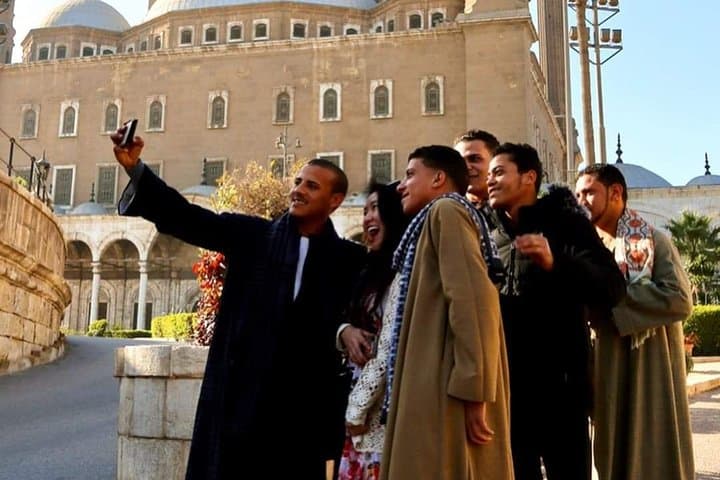
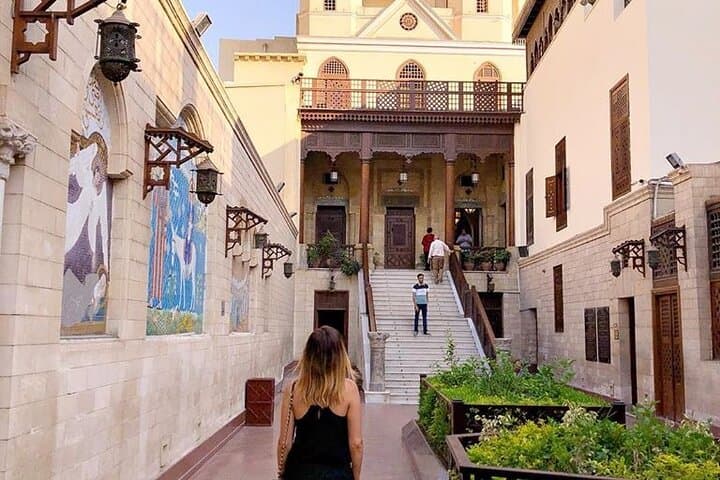
This single-day route stitches three eras together. The museum catalogs Predynastic pottery, Old Kingdom statuary and the Tutankhamun trove; the Citadel perches on the limestone crest of Al-Moqattam, a deliberate military high ground shaped by the same geology that forms the eastern escarpment of greater Cairo. In Old (Coptic) Cairo, stone churches and the Ben Ezra Synagogue speak to the city’s religious palimpsest and its role on medieval trade routes.
Expect a balance of indoor galleries and open-air walking: museum halls can be cool and dim while the Citadel’s terraces expose you to wind and sun. Bring a small daypack, plan for stairs at the Citadel, and allow time for short drives between sites. Museum rooms such as the mummies exhibit may require an extra ticket; admissions are usually paid on-site and many sites accept card payments.
Cultural etiquette matters: modest dress in churches and mosques, muted voices in sacred spaces, and patience during busy prayer times. Hydrate often, wear comfortable shoes for cobbled lanes and galleries, and let the guide handle logistics — they’ll smooth lines, explain artifacts and point out the architectural details you might otherwise miss.
easy.
7 hours.
Suitable for most travelers; involves several hours of walking and stairs but no technical demands
Admission fees are generally not included; the itinerary notes that you’ll pay entrance fees on-site, and special exhibits (like the mummies room) may cost extra.
Yes — the tour lists stroller access and infant seats are available; expect some walking and stairs, so bring help if needed for very young children.
The private guide can minimize waits through timed planning and local knowledge, but formal skip-the-line tickets are not guaranteed unless specifically purchased.
Many parts of the route are accessible, including museum main floors, but the Citadel and some historic buildings have steps—check with the operator about specific mobility needs.
Cairo’s core grew around the Nile floodplain and defensive limestone ridges; the Citadel was a medieval military stronghold while Old Cairo preserves Christian and Jewish sites dating back centuries.
High visitor numbers stress fragile historic fabric; follow paths, avoid touching ancient surfaces and support local conservation through entrance fees and reputable guides.
Egypt Gift Tours operates guided outdoor trips and adventures with an emphasis on safety, stewardship, and memorable experiences.
The day begins before the heat builds: your guide meets you at the hotel and the car threads through Cairo’s layered streets toward Tahrir Square. Inside the Egyptian Museum, gilded cases and glass-fronted cabinets hold gold that still burns with a dry, desert light; outside, the city hums — merchants, honking cars, the distant sweep of minarets.
The day begins before the heat builds: your guide meets you at the hotel and the car threads through Cairo’s layered streets toward Tahrir Square. Inside the Egyptian Museum, gilded cases and glass-fronted cabinets hold gold that still burns with a dry, desert light; outside, the city hums — merchants, honking cars, the distant sweep of minarets.
This single-day route stitches three eras together. The museum catalogs Predynastic pottery, Old Kingdom statuary and the Tutankhamun trove; the Citadel perches on the limestone crest of Al-Moqattam, a deliberate military high ground shaped by the same geology that forms the eastern escarpment of greater Cairo. In Old (Coptic) Cairo, stone churches and the Ben Ezra Synagogue speak to the city’s religious palimpsest and its role on medieval trade routes.
Expect a balance of indoor galleries and open-air walking: museum halls can be cool and dim while the Citadel’s terraces expose you to wind and sun. Bring a small daypack, plan for stairs at the Citadel, and allow time for short drives between sites. Museum rooms such as the mummies exhibit may require an extra ticket; admissions are usually paid on-site and many sites accept card payments.
Cultural etiquette matters: modest dress in churches and mosques, muted voices in sacred spaces, and patience during busy prayer times. Hydrate often, wear comfortable shoes for cobbled lanes and galleries, and let the guide handle logistics — they’ll smooth lines, explain artifacts and point out the architectural details you might otherwise miss.