THE ADVENTURE COLLECTIVE® · Independent discovery and booking for outdoor travel

Taste Cairo beyond guidebook cafés on a three- to four-hour street-food crawl. Five local stops, traditional drinks, and a guide-led route through markets and alleys promising authentic Egyptian flavors.
Taste Cairo beyond guidebook cafés on a three- to four-hour street-food crawl. Five local stops, traditional drinks, and a guide-led route through markets and alleys promising authentic Egyptian flavors.
You step off the curb and the city greets you with heat, honking, and the smell of frying oil — Cairo’s streets daring you to slow down and taste. Over the next three to four hours, a local guide leads a compact group through alleys and market-front counters, pausing where steam rises from giant pots and sugarcane vendors press fresh juice.
Verified experiences and guided adventures in the surrounding area.
Operated by Ramasside Tours · Cairo, Cairo Governorate
You step off the curb and the city greets you with heat, honking, and the smell of frying oil — Cairo’s streets daring you to slow down and taste. Over the next three to four hours, a local guide leads a compact group through alleys and market-front counters, pausing where steam rises from giant pots and sugarcane vendors press fresh juice.
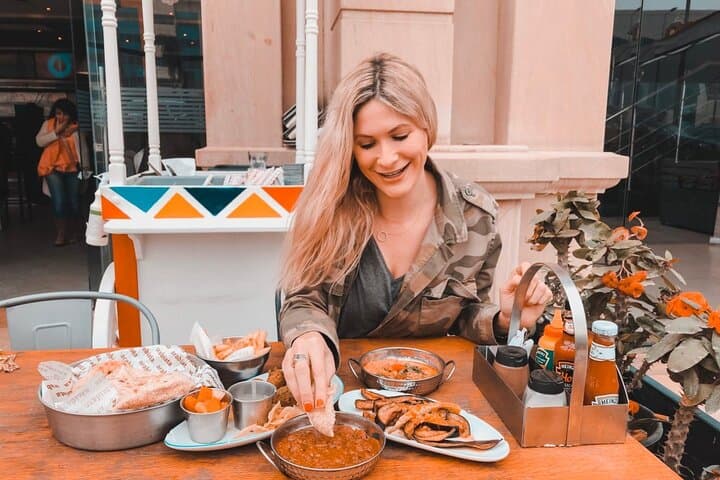
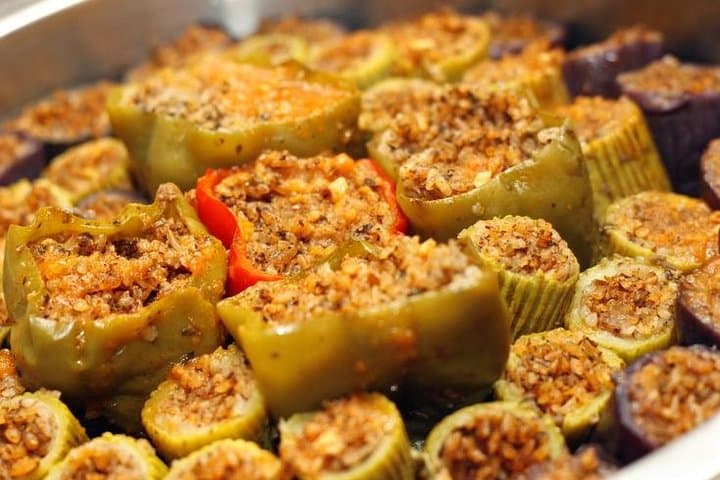
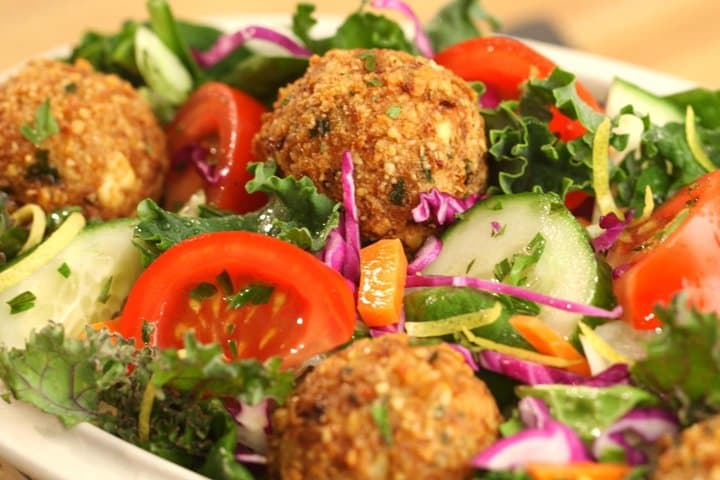
Egyptian food is a working-class chronicle: legumes, grains, and bold sauces that trace back to Nile agriculture and centuries of trade. Koshary — a filling mix of rice, lentils, pasta and spiced tomato — shares a table with ta'amiya (Egyptian falafel) and ful medames (stewed fava beans), dishes evolved from household staples into street classics. The tour threads history and flavor: spice merchants who supplied Ottoman kitchens, herbalists with jars of dukkah and hibiscus, and neighborhoods shaped by the Nile’s pull.
Expect five curated stops, small plates meant to be sampled, and a local drink at each venue — from sugarcane juice to tangy karkade. The walk covers busy, mostly flat streets with occasional steps and crowds; transportation and guide are included, and groups are limited to about 15 people.
Practical edge: pace your tasting, carry small-change in Egyptian pounds, and wear closed shoes for uneven pavements. If you travel in summer, aim for an early departure to avoid peak heat. This is an urban, sensory exploration — noisy, flavorful, and designed to put you at the table where Cairenes actually eat.
easy.
3–4 hours.
Suitable for most fitness levels; involves several short walks and standing at food stalls.
The experience lasts about 3–4 hours and includes five food stops with drinks at each venue.
The operator lists wheelchair-accessible options and transportation; check at booking for specific access needs and to request accommodations.
Inform the operator when booking — guides can often arrange vegetarian options or avoid specific ingredients, but bring up allergies in advance.
Meeting details are provided at booking; tours typically start in central Cairo near accessible public-transport hubs — confirm exact pickup or meeting point when you book.
Cairo’s street-food culture blends ancient Nile agriculture with layers of Ottoman, Levantine, and regional influences; many staple dishes began as practical, inexpensive meals for workers.
Support local vendors and reduce single-use plastic by carrying a reusable bottle; aim to finish portions to minimize food waste and honor small-scale businesses.
Ramasside Tours operates guided outdoor trips and adventures with an emphasis on safety, stewardship, and memorable experiences.

You step off the curb and the city greets you with heat, honking, and the smell of frying oil — Cairo’s streets daring you to slow down and taste. Over the next three to four hours, a local guide leads a compact group through alleys and market-front counters, pausing where steam rises from giant pots and sugarcane vendors press fresh juice.
You step off the curb and the city greets you with heat, honking, and the smell of frying oil — Cairo’s streets daring you to slow down and taste. Over the next three to four hours, a local guide leads a compact group through alleys and market-front counters, pausing where steam rises from giant pots and sugarcane vendors press fresh juice.
Egyptian food is a working-class chronicle: legumes, grains, and bold sauces that trace back to Nile agriculture and centuries of trade. Koshary — a filling mix of rice, lentils, pasta and spiced tomato — shares a table with ta'amiya (Egyptian falafel) and ful medames (stewed fava beans), dishes evolved from household staples into street classics. The tour threads history and flavor: spice merchants who supplied Ottoman kitchens, herbalists with jars of dukkah and hibiscus, and neighborhoods shaped by the Nile’s pull.
Expect five curated stops, small plates meant to be sampled, and a local drink at each venue — from sugarcane juice to tangy karkade. The walk covers busy, mostly flat streets with occasional steps and crowds; transportation and guide are included, and groups are limited to about 15 people.
Practical edge: pace your tasting, carry small-change in Egyptian pounds, and wear closed shoes for uneven pavements. If you travel in summer, aim for an early departure to avoid peak heat. This is an urban, sensory exploration — noisy, flavorful, and designed to put you at the table where Cairenes actually eat.