THE ADVENTURE COLLECTIVE® · Independent discovery and booking for outdoor travel

A four-hour evening tour that pairs a horse-carriage ride along Zamalek and the Nile Corniche with a guided walking exploration of downtown Cairo, Tahrir Square and an external visit to Cairo Tower. Ideal for travelers who want city history and night photography without heavy walking.
A four-hour evening tour that pairs a horse-carriage ride along Zamalek and the Nile Corniche with a guided walking exploration of downtown Cairo, Tahrir Square and an external visit to Cairo Tower. Ideal for travelers who want city history and night photography without heavy walking.
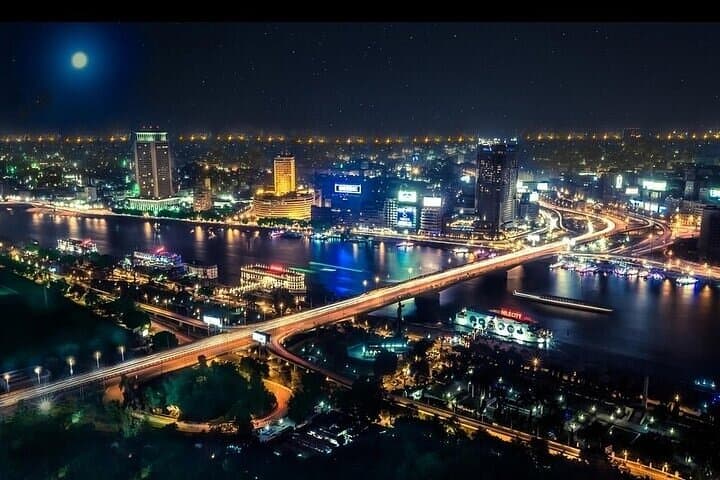
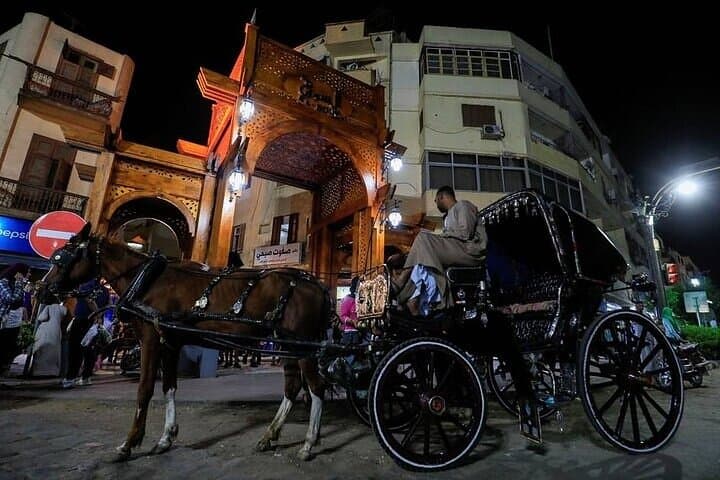
The humid air off the Nile cools as the city lights glaze the river; a horse carriage clicks along the Corniche and the guide points out Zamalek’s stately villas while the city’s pulse switches from daytime commerce to nighttime rhythm.
Verified experiences and guided adventures in the surrounding area.
Operated by Egyptian Daily Tours · Cairo, Cairo Governorate
The humid air off the Nile cools as the city lights glaze the river; a horse carriage clicks along the Corniche and the guide points out Zamalek’s stately villas while the city’s pulse switches from daytime commerce to nighttime rhythm.
This four‑hour evening walk moves from carriage lanes into the heart of downtown Cairo — past modern shops, El Tahrir Square and the external viewing areas of Cairo Tower. The route threads Ottoman- and colonial-era architecture, rubble-strewn wartime scars and mid-20th-century concrete that marks Cairo’s post‑colonial identity. Geologically the city sits on the alluvial floodplain of the Nile, which has shaped settlement patterns for millennia; culturally the walk skims layers of Coptic, Islamic and modern Egyptian life visible in signage, street food and public squares.
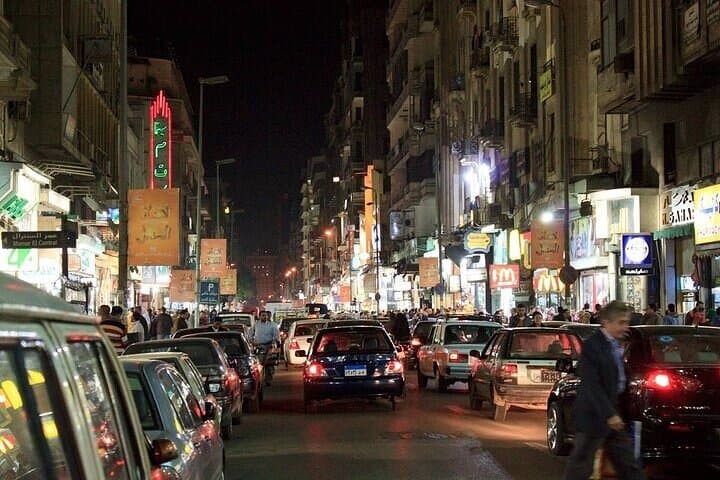
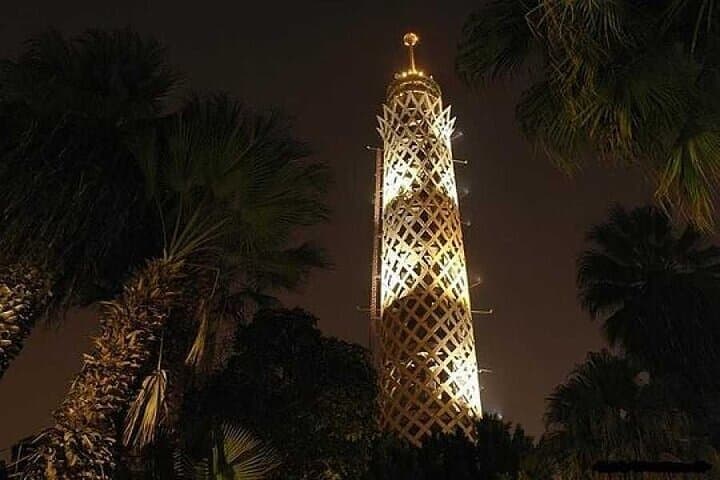
Expect an urban sensory mix: the Nile’s surface tugging light toward the riverbank, vendors calling, cats slipping through alleys and the steady hum of traffic giving way to pedestrian flow. Guides typically contextualize Tahrir’s role in the 2011 protests and point to the Cairo Tower’s 1961 concrete silhouette as a marker of modern nationhood.
Practical notes: plan for flat, paved walking and brief carriage segments; streets can be uneven and crowded after sunset. Wear comfortable shoes, carry a refillable water bottle, and bring a light layer for the river breeze. Keep personal belongings secure and allow time for photography at the Tower and in Tahrir. The tour includes transfers, carriage fees and bottled water, but small tips to guides and drivers are customary.
easy.
3–4 hours.
Light urban walking on paved surfaces; suitable for most fitness levels with average mobility
The tour title refers to no entry fees included for participants; transfers, carriage ride fees and bottled water are included per the itinerary — gratuities for guides are customary and not included.
This is an easy, urban tour with mostly flat paved walking and short carriage segments; most visitors with average mobility can participate.
The itinerary specifies an external visit to Cairo Tower — photography and viewpoint time outside are included, but tower admission is not listed as included.
Guides typically speak English; confirm language needs at booking to ensure availability of specific languages.
Tahrir Square has been a central civic space for decades and was the focal point of the 2011 Egyptian uprising; Cairo Tower, completed in 1961, marked a modern architectural statement in post‑monarchical Egypt.
Cairo faces air pollution and urban waste challenges; minimize plastic use, stick to established paths and support local businesses to help keep public spaces clean.
Egyptian Daily Tours operates guided outdoor trips and adventures with an emphasis on safety, stewardship, and memorable experiences.
The humid air off the Nile cools as the city lights glaze the river; a horse carriage clicks along the Corniche and the guide points out Zamalek’s stately villas while the city’s pulse switches from daytime commerce to nighttime rhythm.
The humid air off the Nile cools as the city lights glaze the river; a horse carriage clicks along the Corniche and the guide points out Zamalek’s stately villas while the city’s pulse switches from daytime commerce to nighttime rhythm.
This four‑hour evening walk moves from carriage lanes into the heart of downtown Cairo — past modern shops, El Tahrir Square and the external viewing areas of Cairo Tower. The route threads Ottoman- and colonial-era architecture, rubble-strewn wartime scars and mid-20th-century concrete that marks Cairo’s post‑colonial identity. Geologically the city sits on the alluvial floodplain of the Nile, which has shaped settlement patterns for millennia; culturally the walk skims layers of Coptic, Islamic and modern Egyptian life visible in signage, street food and public squares.
Expect an urban sensory mix: the Nile’s surface tugging light toward the riverbank, vendors calling, cats slipping through alleys and the steady hum of traffic giving way to pedestrian flow. Guides typically contextualize Tahrir’s role in the 2011 protests and point to the Cairo Tower’s 1961 concrete silhouette as a marker of modern nationhood.
Practical notes: plan for flat, paved walking and brief carriage segments; streets can be uneven and crowded after sunset. Wear comfortable shoes, carry a refillable water bottle, and bring a light layer for the river breeze. Keep personal belongings secure and allow time for photography at the Tower and in Tahrir. The tour includes transfers, carriage fees and bottled water, but small tips to guides and drivers are customary.