THE ADVENTURE COLLECTIVE® · Independent discovery and booking for outdoor travel

See Egypt’s headline sites in five efficient days: the Giza pyramids and Cairo Museum, then fly to Luxor for Karnak, Luxor Temple and the Valley of the Kings. This private package pairs expert guides with private transfers and domestic flights to maximize time at the monuments.
See Egypt’s headline sites in five efficient days: the Giza pyramids and Cairo Museum, then fly to Luxor for Karnak, Luxor Temple and the Valley of the Kings. This private package pairs expert guides with private transfers and domestic flights to maximize time at the monuments.
You step out of Cairo International into a blast of sun and the city's layered sounds — traffic, call to prayer, vendors — while a guide waits with your name. The tour threads city and river, then lifts you south by plane to Luxor, where cliffs and the Nile reshape the horizon and river traffic nudges you along.
Verified experiences and guided adventures in the surrounding area.
Operated by Travabia Travel · Cairo, Cairo Governorate
You step out of Cairo International into a blast of sun and the city's layered sounds — traffic, call to prayer, vendors — while a guide waits with your name. The tour threads city and river, then lifts you south by plane to Luxor, where cliffs and the Nile reshape the horizon and river traffic nudges you along.
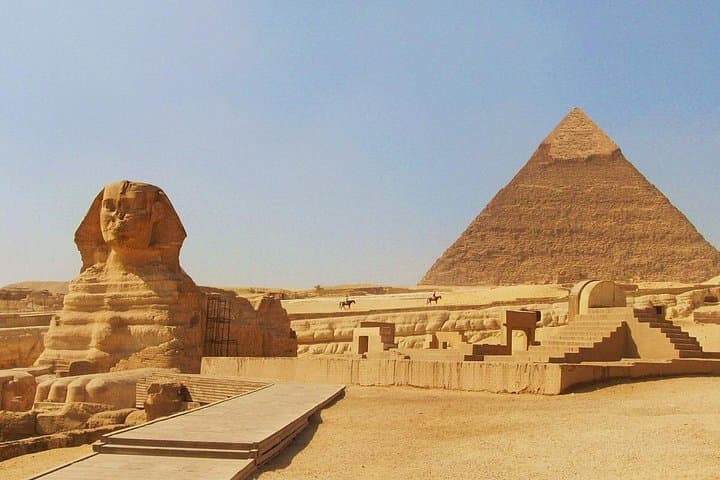
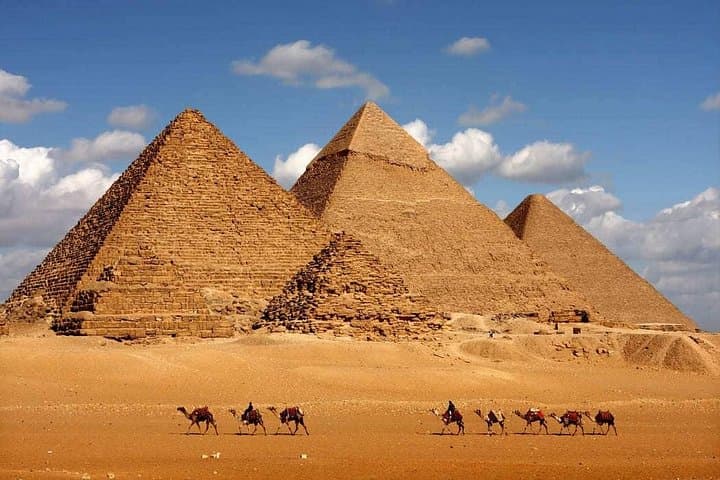
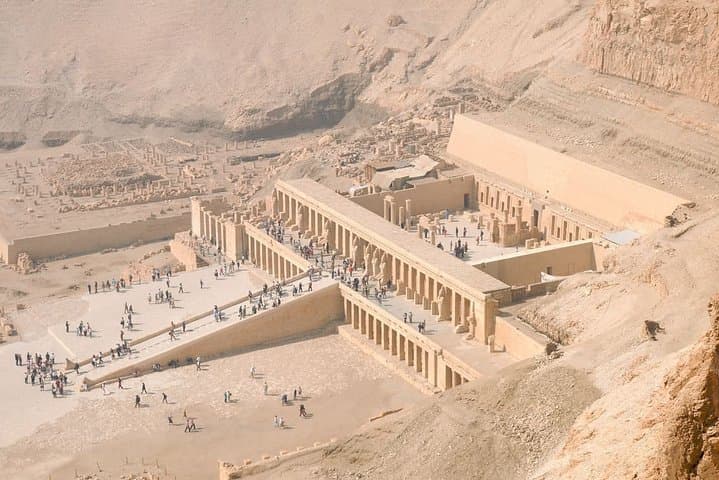
In Cairo the Giza Plateau speaks of stone, geometry and funerary engineering: Khufu’s great pyramid and the Sphinx anchor millennia of human ambition. The Egyptian Museum holds Tutankhamen’s treasures and gallery after gallery of Pharaonic craft. Luxor and the West Bank are different histories in the same language — Thebes’ mortuary temples, Karnak’s avenue of sphinxes and the painted tombs of the Valley of the Kings catalog kingship, ritual and ancient trade routes with Punt.
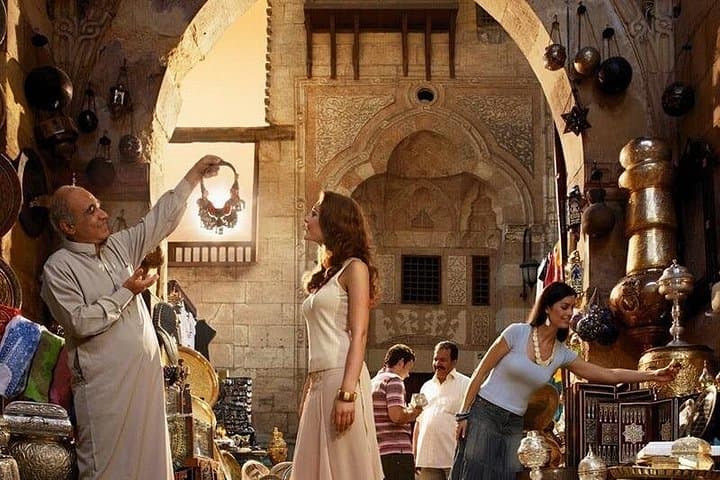
Geology matters here: Nile alluvium made the floodplain fertile; nearby desert limestone supplied monumental stone. Culture is immediate — Coptic churches and Islamic market lanes in Cairo contrast with temple processional spaces once staged for divine kings.
Practical guidance: the package runs five days with domestic flights Cairo–Luxor–Cairo, private transfers and an Egyptologist guide. Expect long days on uneven stone, steps and dusty courtyards; comfortable walking shoes, sun protection and a refillable water bottle are mandatory. Carry passport copies for admissions; follow site rules (no touching painted reliefs) and budget time for traffic and security checks. Travel between October and April for milder temperatures; mornings are best for the plateau and tombs to avoid crowds and midday heat.
moderate.
5 days.
Moderate fitness: able to walk several kilometers a day on uneven surfaces and climb temple steps.
Yes — the package includes round-trip domestic flights Cairo–Luxor–Cairo as noted in the inclusions.
Expect several hours of walking on uneven surfaces and steps each day; most visits last 1–3 hours with transfers and breaks included.
The provider lists wheelchair accessibility, but some ancient sites have limited access; check specific mobility needs with the operator before booking.
October–April offers milder temperatures; winter is busiest, while spring and fall are good shoulder seasons.
Cairo’s Giza necropolis dates to the Old Kingdom c.2600–2500 BCE; Luxor occupies the site of ancient Thebes, Egypt’s power center in the New Kingdom.
These monuments are fragile; follow site rules, avoid touching reliefs and support licensed guides and local conservation-friendly vendors to minimize impact.
Travabia Travel operates guided outdoor trips and adventures with an emphasis on safety, stewardship, and memorable experiences.
You step out of Cairo International into a blast of sun and the city's layered sounds — traffic, call to prayer, vendors — while a guide waits with your name. The tour threads city and river, then lifts you south by plane to Luxor, where cliffs and the Nile reshape the horizon and river traffic nudges you along.
You step out of Cairo International into a blast of sun and the city's layered sounds — traffic, call to prayer, vendors — while a guide waits with your name. The tour threads city and river, then lifts you south by plane to Luxor, where cliffs and the Nile reshape the horizon and river traffic nudges you along.
In Cairo the Giza Plateau speaks of stone, geometry and funerary engineering: Khufu’s great pyramid and the Sphinx anchor millennia of human ambition. The Egyptian Museum holds Tutankhamen’s treasures and gallery after gallery of Pharaonic craft. Luxor and the West Bank are different histories in the same language — Thebes’ mortuary temples, Karnak’s avenue of sphinxes and the painted tombs of the Valley of the Kings catalog kingship, ritual and ancient trade routes with Punt.
Geology matters here: Nile alluvium made the floodplain fertile; nearby desert limestone supplied monumental stone. Culture is immediate — Coptic churches and Islamic market lanes in Cairo contrast with temple processional spaces once staged for divine kings.
Practical guidance: the package runs five days with domestic flights Cairo–Luxor–Cairo, private transfers and an Egyptologist guide. Expect long days on uneven stone, steps and dusty courtyards; comfortable walking shoes, sun protection and a refillable water bottle are mandatory. Carry passport copies for admissions; follow site rules (no touching painted reliefs) and budget time for traffic and security checks. Travel between October and April for milder temperatures; mornings are best for the plateau and tombs to avoid crowds and midday heat.