THE ADVENTURE COLLECTIVE® · Independent discovery and booking for outdoor travel

See Cairo’s pyramids and Luxor’s temples in a compact private package. Two full days cover Giza, the Egyptian Museum and Luxor’s East and West Banks with guided transport and a domestic flight.
See Cairo’s pyramids and Luxor’s temples in a compact private package. Two full days cover Giza, the Egyptian Museum and Luxor’s East and West Banks with guided transport and a domestic flight.
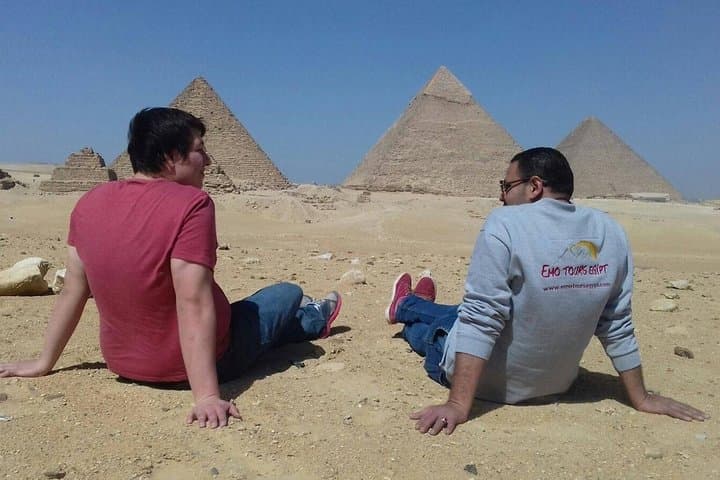
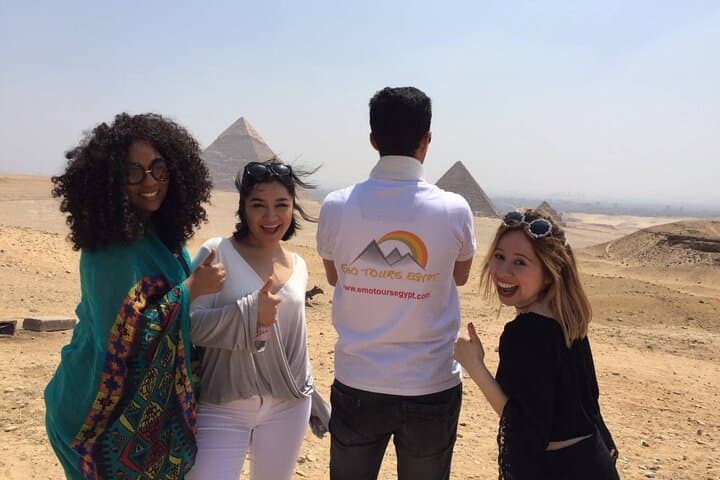
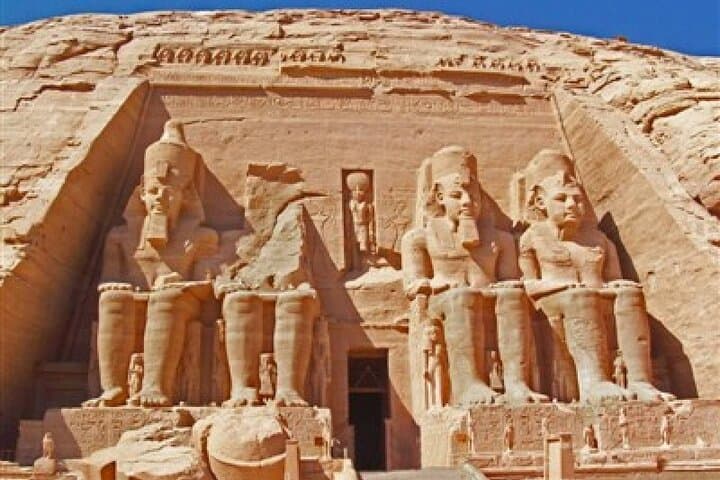
You step from the airport into a Cairo morning that smells of warm stone and roasting coffee, then a minivan hums toward the Giza plateau where the desert wind pushes at the edges of the Great Pyramid. On day one you move through colossal carved faces and tight museum corridors; on day two the Nile dares you to keep pace — sunrise over the Valley of the Kings is a slow, inexorable reveal.
Verified experiences and guided adventures in the surrounding area.
Operated by Camel Ride at Giza Pyramids · Cairo, Cairo Governorate
You step from the airport into a Cairo morning that smells of warm stone and roasting coffee, then a minivan hums toward the Giza plateau where the desert wind pushes at the edges of the Great Pyramid. On day one you move through colossal carved faces and tight museum corridors; on day two the Nile dares you to keep pace — sunrise over the Valley of the Kings is a slow, inexorable reveal.
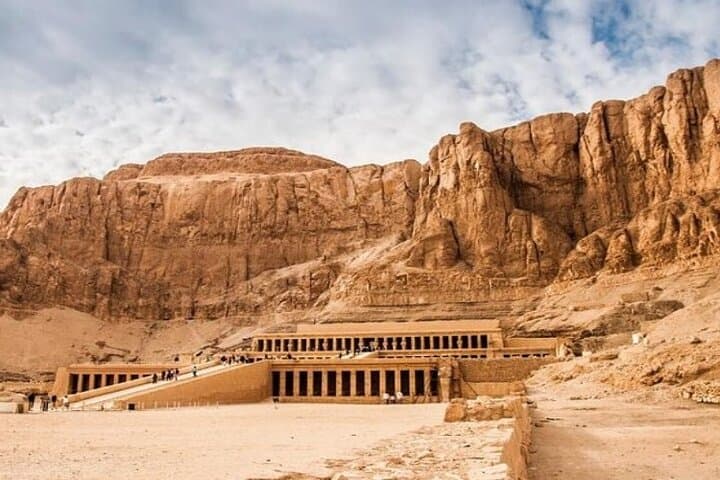
These sites span 4,000 years: Old Kingdom builders at Giza, New Kingdom pharaohs carved into the West Bank cliffs, and medieval Islamic Cairo radiating from the Citadel. Geology is obvious: limestone plateaus, Nile silt plains and the scarred sandstone of Luxor’s necropolis. The culture is layered — Coptic churches, Ottoman-era streets, and markets where haggling is practice as much as commerce.
Expect guided walks at each major stop, short drives between sights, and an early domestic flight to Luxor. Crowds concentrate at entrances; interiors are cooler but dim. Photography rules vary by tomb.
Practical guidance: start early to avoid midday heat, carry 2–3 L of water and sun protection, and wear sturdy walking shoes for uneven stone and occasional sand. Bring small bills for tips and shop offers. Allow time for security checks and airport transfers — the itinerary is full and tightly scheduled.
If you want the breadth of Egypt in a compressed window, this route delivers the essentials: monumental architecture, museum highlights, and the river that has carried civilization for millennia.
moderate.
2 days.
Suitable for travelers in average physical shape comfortable with walking on uneven stone and standing for museum visits
Yes — the package includes round-trip domestic flights between Cairo and Luxor as stated in the itinerary.
Entrance fees for the scheduled attractions (Giza, Egyptian Museum, Valley of the Kings, Luxor/Karnak, Hatshepsut) are included in the tour package.
Access is subject to current Egyptian Antiquities regulations and crowd control; your guide will advise which tombs are open and whether extra tickets are required.
The itinerary includes breakfast at the Cairo hotel and two full-meal lunches during the tour days; beverages are usually not included.
Cairo grew around Pharaonic, Roman and Islamic centers; Luxor (ancient Thebes) served as Egypt’s ceremonial capital during the New Kingdom and hosts densely packed royal tombs.
High visitor numbers stress fragile tomb paintings and museum collections—stay on marked routes, avoid touching carvings, and minimize single-use plastics to reduce local impact.
Camel Ride at Giza Pyramids operates guided outdoor trips and adventures with an emphasis on safety, stewardship, and memorable experiences.
You step from the airport into a Cairo morning that smells of warm stone and roasting coffee, then a minivan hums toward the Giza plateau where the desert wind pushes at the edges of the Great Pyramid. On day one you move through colossal carved faces and tight museum corridors; on day two the Nile dares you to keep pace — sunrise over the Valley of the Kings is a slow, inexorable reveal.
You step from the airport into a Cairo morning that smells of warm stone and roasting coffee, then a minivan hums toward the Giza plateau where the desert wind pushes at the edges of the Great Pyramid. On day one you move through colossal carved faces and tight museum corridors; on day two the Nile dares you to keep pace — sunrise over the Valley of the Kings is a slow, inexorable reveal.
These sites span 4,000 years: Old Kingdom builders at Giza, New Kingdom pharaohs carved into the West Bank cliffs, and medieval Islamic Cairo radiating from the Citadel. Geology is obvious: limestone plateaus, Nile silt plains and the scarred sandstone of Luxor’s necropolis. The culture is layered — Coptic churches, Ottoman-era streets, and markets where haggling is practice as much as commerce.
Expect guided walks at each major stop, short drives between sights, and an early domestic flight to Luxor. Crowds concentrate at entrances; interiors are cooler but dim. Photography rules vary by tomb.
Practical guidance: start early to avoid midday heat, carry 2–3 L of water and sun protection, and wear sturdy walking shoes for uneven stone and occasional sand. Bring small bills for tips and shop offers. Allow time for security checks and airport transfers — the itinerary is full and tightly scheduled.
If you want the breadth of Egypt in a compressed window, this route delivers the essentials: monumental architecture, museum highlights, and the river that has carried civilization for millennia.