THE ADVENTURE COLLECTIVE® · Independent discovery and booking for outdoor travel

Transform a long layover into a full-day VIP sweep through Giza’s pyramids, the Egyptian Museum and the winding alleys of Khan el-Khalili. This private transfer tour from Sharm El Sheikh packs the highlights of ancient Cairo into one efficient itinerary.
Transform a long layover into a full-day VIP sweep through Giza’s pyramids, the Egyptian Museum and the winding alleys of Khan el-Khalili. This private transfer tour from Sharm El Sheikh packs the highlights of ancient Cairo into one efficient itinerary.
Arrive in Cairo and the city reaches out with heat and stone: the flat desert pushes the pyramids into the sky, and the Sphinx watches the road like an old guard. A private transfer meets you at Cairo International, and within an hour the scale of Giza dominates the horizon—three ancient crowns of limestone and mortar that have weathered millennia.
Verified experiences and guided adventures in the surrounding area.
Operated by High Quality Tours Egypt · Cairo, Cairo Governorate
Arrive in Cairo and the city reaches out with heat and stone: the flat desert pushes the pyramids into the sky, and the Sphinx watches the road like an old guard. A private transfer meets you at Cairo International, and within an hour the scale of Giza dominates the horizon—three ancient crowns of limestone and mortar that have weathered millennia.
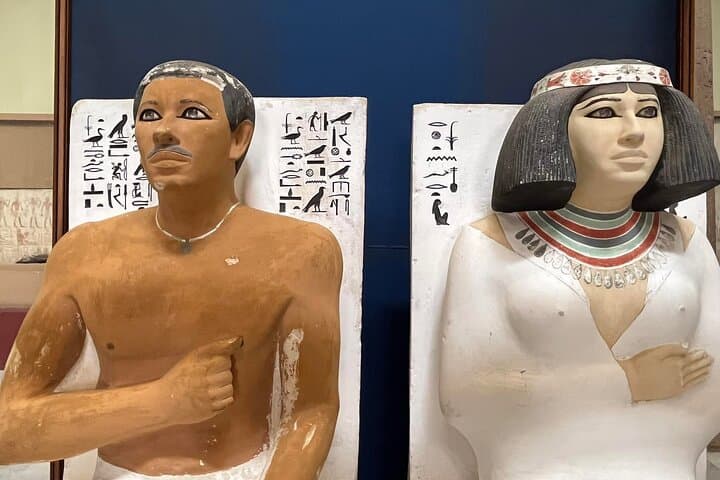
The Giza Plateau records both the region’s geology—Eocene limestone beds shaped by wind and sand—and a dynastic history that began more than 4,500 years ago. Nearby, the Egyptian Museum (founded 1835) concentrates the country’s material culture: coffins, funerary masks and the vivid, human-scale evidence of pharaonic life. Khan el-Khalili, a winding market born in the Mamluk era, supplies spices, brassware and a chance to practice bargaining with friendly vendors.
Expect guided context: an Egyptologist explains burial practices at the Valley Temple, points out construction logic in the pyramid faces, and highlights museum highlights such as Tutankhamun’s treasures. The camel ride at Giza is brief and tourist-oriented—good for photos and for the sensation of dune-side motion rather than hard trekking.
Practical guidance: bring sun protection, carry local currency for small purchases and tips, and wear closed-toe shoes for walking uneven stone and sand. Allow two hours at the airport before departure; this tour runs about 10–12 hours including flights and transfers. With a private vehicle and a knowledgeable guide, travelers can compress Cairo’s key sights into a single, efficient day while still leaving room to absorb the city’s scale and texture.
moderate.
10–12 hours.
Moderate fitness for walking on uneven terrain and moving through crowded markets; not strenuous but requires stamina for a long day.
The itinerary includes airport meet-and-greet and transfers; travelers should plan to be at the airport two hours before their flight and confirm pickup windows with the operator.
The tour lists admission included for the Egyptian Museum and the Giza Plateau; confirm whether special exhibitions or the Grand Egyptian Museum (if visited) require additional tickets on the day.
Camel rides offered here are short, primarily scenic and photo-oriented—expect gentle mounts rather than extended desert treks.
Visa requirements depend on your nationality; many travelers can obtain a visa on arrival in Egypt, but check your embassy guidance before travel and ensure passport details are provided at booking.
Giza’s pyramids were built during Egypt’s Fourth Dynasty (c. 2600–2500 BCE) and the Egyptian Museum (opened 1835) became the first major institution devoted to preserving Egyptian antiquities.
High visitor volume stresses fragile sites: stick to marked paths at Giza, avoid climbing on monuments, and use local guides who follow established conservation guidelines to minimize impact.
High Quality Tours Egypt operates guided outdoor trips and adventures with an emphasis on safety, stewardship, and memorable experiences.
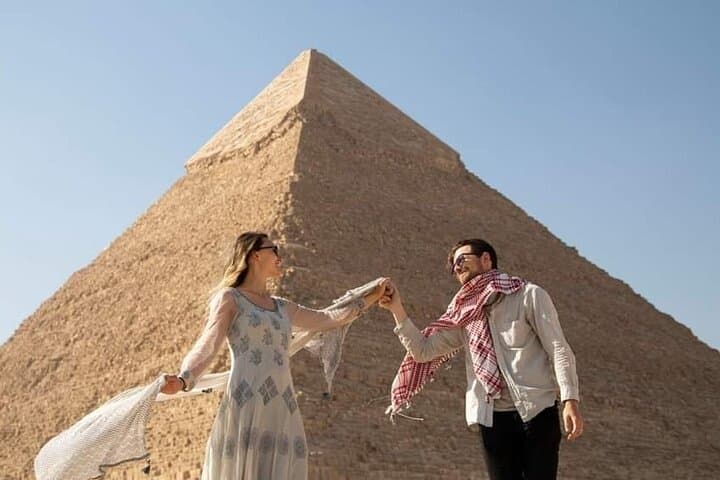
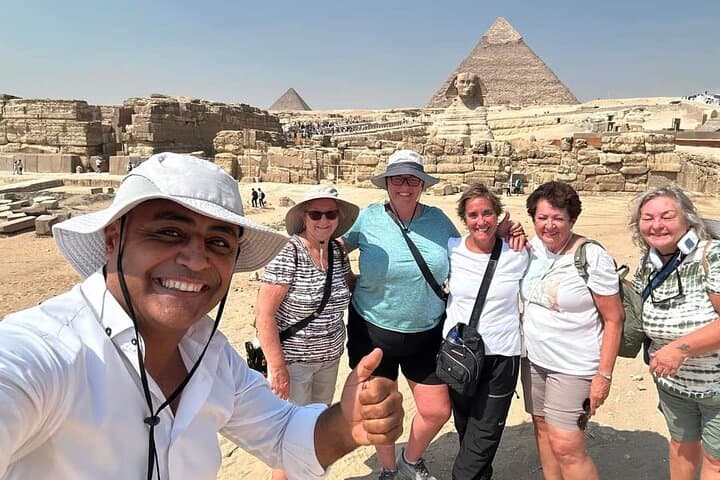
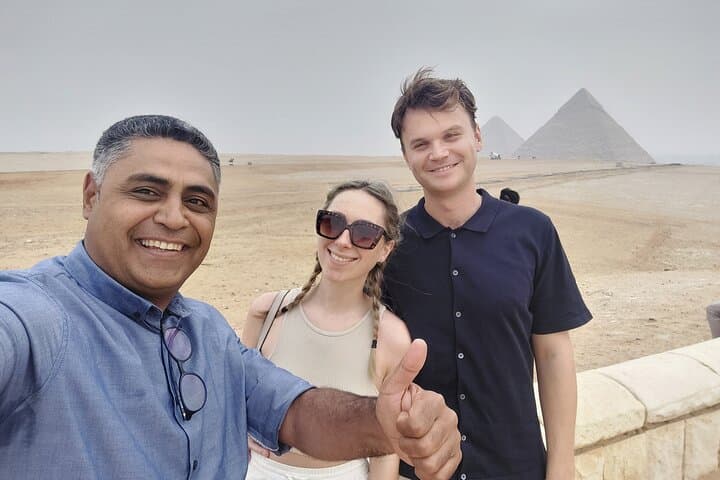
Arrive in Cairo and the city reaches out with heat and stone: the flat desert pushes the pyramids into the sky, and the Sphinx watches the road like an old guard. A private transfer meets you at Cairo International, and within an hour the scale of Giza dominates the horizon—three ancient crowns of limestone and mortar that have weathered millennia.
Arrive in Cairo and the city reaches out with heat and stone: the flat desert pushes the pyramids into the sky, and the Sphinx watches the road like an old guard. A private transfer meets you at Cairo International, and within an hour the scale of Giza dominates the horizon—three ancient crowns of limestone and mortar that have weathered millennia.
The Giza Plateau records both the region’s geology—Eocene limestone beds shaped by wind and sand—and a dynastic history that began more than 4,500 years ago. Nearby, the Egyptian Museum (founded 1835) concentrates the country’s material culture: coffins, funerary masks and the vivid, human-scale evidence of pharaonic life. Khan el-Khalili, a winding market born in the Mamluk era, supplies spices, brassware and a chance to practice bargaining with friendly vendors.
Expect guided context: an Egyptologist explains burial practices at the Valley Temple, points out construction logic in the pyramid faces, and highlights museum highlights such as Tutankhamun’s treasures. The camel ride at Giza is brief and tourist-oriented—good for photos and for the sensation of dune-side motion rather than hard trekking.
Practical guidance: bring sun protection, carry local currency for small purchases and tips, and wear closed-toe shoes for walking uneven stone and sand. Allow two hours at the airport before departure; this tour runs about 10–12 hours including flights and transfers. With a private vehicle and a knowledgeable guide, travelers can compress Cairo’s key sights into a single, efficient day while still leaving room to absorb the city’s scale and texture.