THE ADVENTURE COLLECTIVE® · Independent discovery and booking for outdoor travel

Make a Cairo layover count with a focused day that pairs the Egyptian Museum’s treasures with a felucca glide on the Nile and a guided walk around the Giza pyramids—plus a brief camel ride. Expect 6–8 hours of culture, history, and open-sky views.
Make a Cairo layover count with a focused day that pairs the Egyptian Museum’s treasures with a felucca glide on the Nile and a guided walk around the Giza pyramids—plus a brief camel ride. Expect 6–8 hours of culture, history, and open-sky views.
Air pours off the desert as the van eases away from Cairo International Airport—stone silhouettes draw nearer, and the Nile threads the city like a slow, deliberate neighbor. You step off the vehicle into the warm plain beside the Giza plateau: the pyramids loom, older than language, their faces catching the light as tourists and camels move in a steady, measured orbit.
Verified experiences and guided adventures in the surrounding area.
Operated by Pretty Egypt Tours · Giza, Cairo Governorate
Air pours off the desert as the van eases away from Cairo International Airport—stone silhouettes draw nearer, and the Nile threads the city like a slow, deliberate neighbor. You step off the vehicle into the warm plain beside the Giza plateau: the pyramids loom, older than language, their faces catching the light as tourists and camels move in a steady, measured orbit.
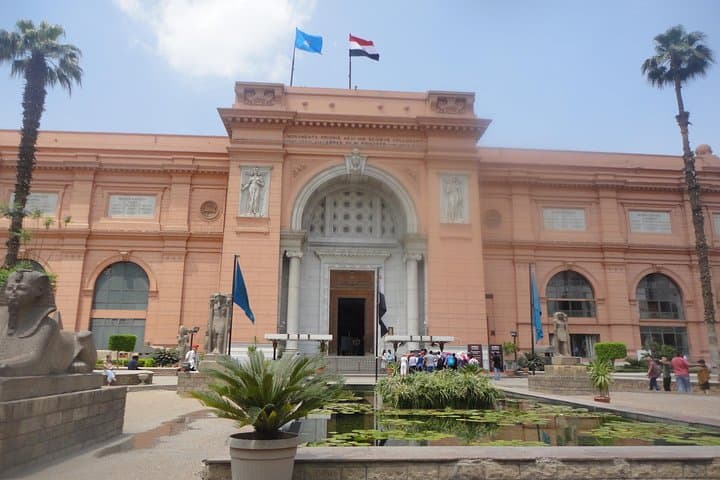
This one-day layover stitches together ancient Egypt’s major chapters. The Egyptian Museum in Tahrir holds pharaonic objects from Predynastic tools through Tutankhamun’s funerary trove; the Giza plateau records the Old Kingdom’s engineering at roughly 2600–2500 BCE. Geology here is simple and revealing—limestone beds shaped into monumental blocks, Nile silt folded into the low city, and wind that polishes stone edges over millennia. Cairo’s urban culture is noisy and hospitable; expect bargaining voices, strong coffee, and a pace that’s ownable.
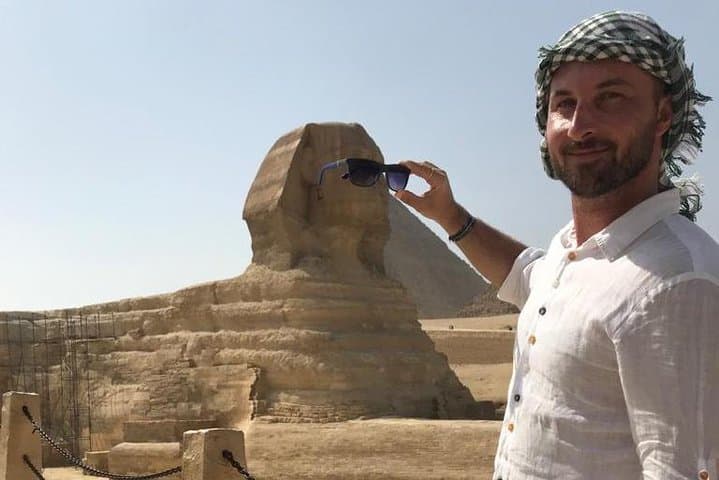
Practically: the itinerary typically allows 6–8 hours—museum time, panoramic felucca on the Nile, and a guided walk among Cheops, Khafre and Menkaure with an included short camel ride. Entry to go inside a pyramid commonly requires an extra ticket; the Sphinx and external plateau are standard. Bring sun protection, modest clothing for museum and mosque-adjacent areas, and wear sturdy shoes for uneven limestone footing.
Timing matters—early morning or late afternoon offers softer light and cooler air. Keep valuables secure, listen to your Egyptologist guide for historical context and navigation tips, and allow a slow minute to turn and watch the desert wind press across four thousand years of stone.
easy.
6–8 hours.
Light walking ability; able to climb short steps and walk on uneven terrain for short periods
Yes; the tour typically includes pickup and drop-off at Cairo Airport or central Cairo hotels—confirm pickup point when booking.
Basic sightseeing entrance fees are usually included, but entering the interior of a pyramid often requires an additional ticket purchased on-site or in advance.
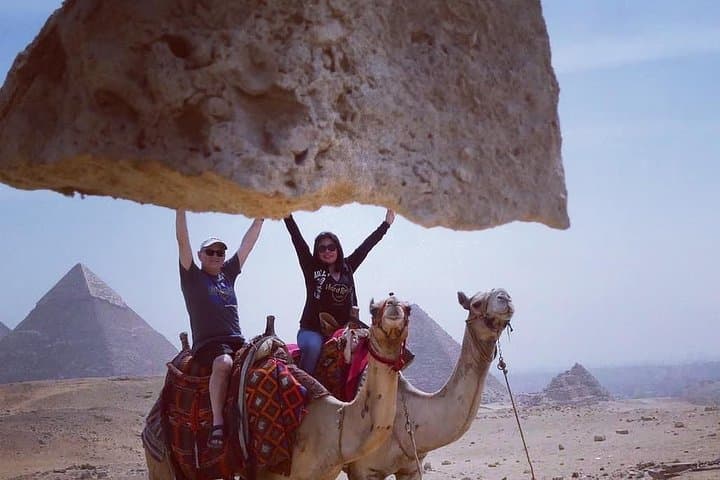
Short, guided camel rides around the plateau are common and usually safe for older children; infants must sit on laps and operators set age limits—confirm with the provider.
Expect light to moderate walking: museum floors and display rooms plus uneven limestone surfaces on the Giza plateau; the tour is suitable for most fitness levels.
The Giza pyramids date to Egypt’s Fourth Dynasty (c. 2600–2500 BCE); the Egyptian Museum concentrates artifacts from multiple periods and became a public institution in the early 20th century.
Visitor pressure and urban pollution affect monuments and museum collections; choose providers that follow set paths and support conservation-friendly practices.
Pretty Egypt Tours operates guided outdoor trips and adventures with an emphasis on safety, stewardship, and memorable experiences.

Air pours off the desert as the van eases away from Cairo International Airport—stone silhouettes draw nearer, and the Nile threads the city like a slow, deliberate neighbor. You step off the vehicle into the warm plain beside the Giza plateau: the pyramids loom, older than language, their faces catching the light as tourists and camels move in a steady, measured orbit.
Air pours off the desert as the van eases away from Cairo International Airport—stone silhouettes draw nearer, and the Nile threads the city like a slow, deliberate neighbor. You step off the vehicle into the warm plain beside the Giza plateau: the pyramids loom, older than language, their faces catching the light as tourists and camels move in a steady, measured orbit.
This one-day layover stitches together ancient Egypt’s major chapters. The Egyptian Museum in Tahrir holds pharaonic objects from Predynastic tools through Tutankhamun’s funerary trove; the Giza plateau records the Old Kingdom’s engineering at roughly 2600–2500 BCE. Geology here is simple and revealing—limestone beds shaped into monumental blocks, Nile silt folded into the low city, and wind that polishes stone edges over millennia. Cairo’s urban culture is noisy and hospitable; expect bargaining voices, strong coffee, and a pace that’s ownable.
Practically: the itinerary typically allows 6–8 hours—museum time, panoramic felucca on the Nile, and a guided walk among Cheops, Khafre and Menkaure with an included short camel ride. Entry to go inside a pyramid commonly requires an extra ticket; the Sphinx and external plateau are standard. Bring sun protection, modest clothing for museum and mosque-adjacent areas, and wear sturdy shoes for uneven limestone footing.
Timing matters—early morning or late afternoon offers softer light and cooler air. Keep valuables secure, listen to your Egyptologist guide for historical context and navigation tips, and allow a slow minute to turn and watch the desert wind press across four thousand years of stone.