THE ADVENTURE COLLECTIVE® · Independent discovery and booking for outdoor travel

Short on time in Cairo? This full-day layover tour links the Giza Pyramids, the Egyptian Museum, and Khan El Khalili bazaar in a single private transfer—perfect for travelers wanting a concentrated encounter with Egypt’s highlights.
Short on time in Cairo? This full-day layover tour links the Giza Pyramids, the Egyptian Museum, and Khan El Khalili bazaar in a single private transfer—perfect for travelers wanting a concentrated encounter with Egypt’s highlights.
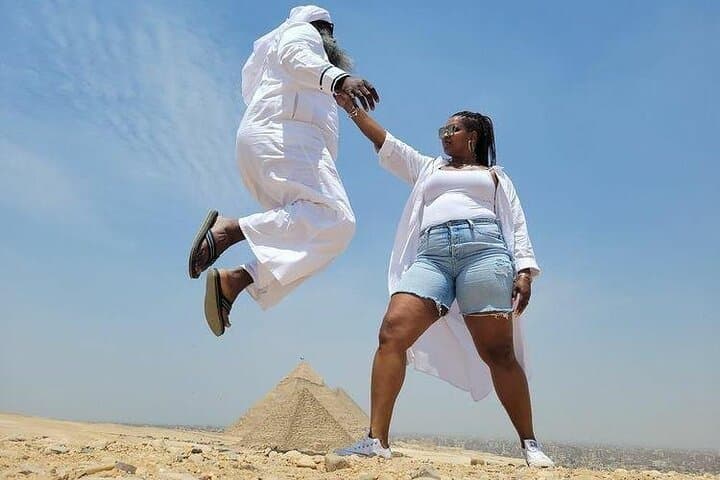
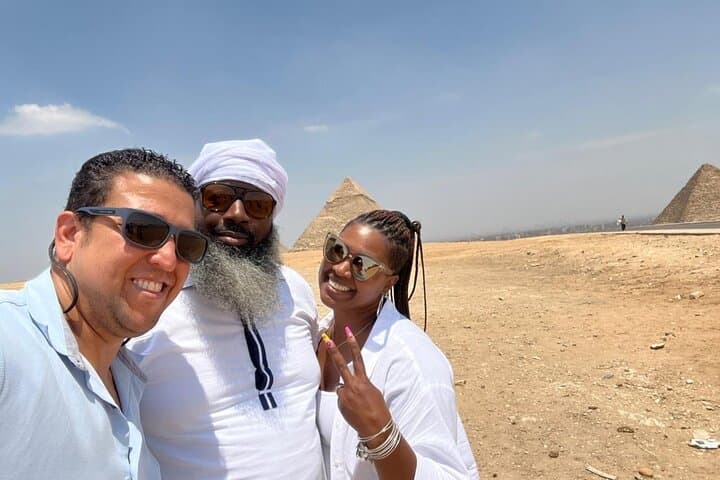
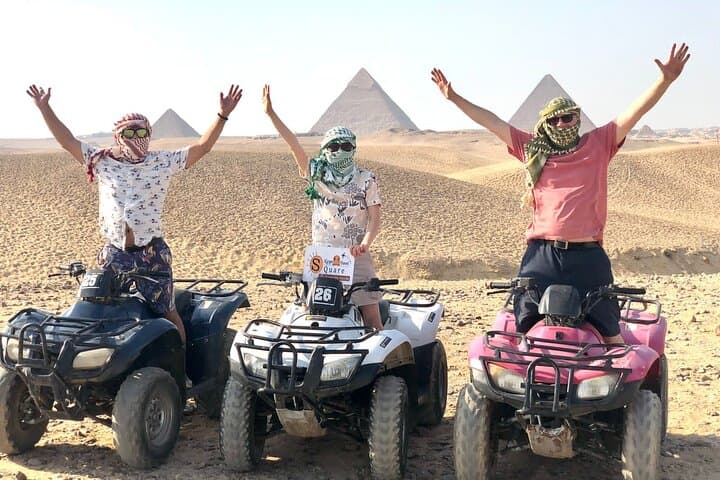
You step out of the airport into a sun-swept city where traffic hums and the desert breeze dares you to keep moving. Within an hour you’re at the Giza Plateau: limestone blocks slope underfoot, the Great Pyramid rises like a challenge, and the Sphinx watches the steady procession of visitors.
Verified experiences and guided adventures in the surrounding area.
Operated by Egypt Travel Square · Cairo, Cairo Governorate
You step out of the airport into a sun-swept city where traffic hums and the desert breeze dares you to keep moving. Within an hour you’re at the Giza Plateau: limestone blocks slope underfoot, the Great Pyramid rises like a challenge, and the Sphinx watches the steady procession of visitors.
The itinerary stitches together layers of Egyptian history — the Old Kingdom stonework of Khufu, Khafre and Menkaure; the 19th–20th century collecting that filled the Egyptian Museum with Tutankhamun’s treasures; and the Ottoman and Mamluk-era streets of Khan El Khalili where merchants have traded for centuries.
Geologically the plateau is a bedrock outcrop of Eocene limestone; the stones you see were quarried locally and moved with ancient engineering that still puzzles engineers. Culturally, expect a blend of practiced hospitality and brisk commerce: bargaining at the bazaar, formal explanations from a licensed Egyptologist, and a lunchtime pause over koshary or falafel.
Practical guidance: this is an 8–9 hour private transfer and walking tour with moderate walking on uneven surfaces and desert sand. Bring sun protection, carry spare Egyptian pounds for small purchases and entrance fees (typically not included), and budget time for security checks at major sites. Early or late-day windows avoid the harshest sun. Photography is allowed in most outdoor areas; some museum rooms restrict flash. If your layover is under eight hours, coordinate closely with pickup and return times to account for Cairo traffic and airport procedures.
moderate.
8–9 hours.
Suitable for travelers with moderate fitness: several hours of walking and standing, some uneven ground.
Typical transfer time is 45–75 minutes depending on traffic; allow extra time for passport control and baggage pick-up.
Admission fees are commonly not included—expect to pay on-site or as instructed by the operator; ticket categories vary for different halls and pyramid entry.
The tour is family-friendly but involves walking on uneven terrain; the operator notes wheelchair accessibility for parts of the itinerary but pyramid interiors and some streets are not fully accessible.
Many nationalities require a visa for entry; check Egypt’s current visa rules before booking and allow time for immigration procedures at the airport.
The Giza pyramids were built in the 4th Dynasty (around 4,500 years ago) as royal tombs; the Egyptian Museum (est. 1902) consolidated antiquities gathered during archaeological expeditions of the 19th–20th centuries.
Tourists are asked to avoid climbing on monuments and to follow designated paths; pressure from crowds and erosion are managed through restricted access and ongoing conservation programs.
Egypt Travel Square operates guided outdoor trips and adventures with an emphasis on safety, stewardship, and memorable experiences.

You step out of the airport into a sun-swept city where traffic hums and the desert breeze dares you to keep moving. Within an hour you’re at the Giza Plateau: limestone blocks slope underfoot, the Great Pyramid rises like a challenge, and the Sphinx watches the steady procession of visitors.
You step out of the airport into a sun-swept city where traffic hums and the desert breeze dares you to keep moving. Within an hour you’re at the Giza Plateau: limestone blocks slope underfoot, the Great Pyramid rises like a challenge, and the Sphinx watches the steady procession of visitors.
The itinerary stitches together layers of Egyptian history — the Old Kingdom stonework of Khufu, Khafre and Menkaure; the 19th–20th century collecting that filled the Egyptian Museum with Tutankhamun’s treasures; and the Ottoman and Mamluk-era streets of Khan El Khalili where merchants have traded for centuries.
Geologically the plateau is a bedrock outcrop of Eocene limestone; the stones you see were quarried locally and moved with ancient engineering that still puzzles engineers. Culturally, expect a blend of practiced hospitality and brisk commerce: bargaining at the bazaar, formal explanations from a licensed Egyptologist, and a lunchtime pause over koshary or falafel.
Practical guidance: this is an 8–9 hour private transfer and walking tour with moderate walking on uneven surfaces and desert sand. Bring sun protection, carry spare Egyptian pounds for small purchases and entrance fees (typically not included), and budget time for security checks at major sites. Early or late-day windows avoid the harshest sun. Photography is allowed in most outdoor areas; some museum rooms restrict flash. If your layover is under eight hours, coordinate closely with pickup and return times to account for Cairo traffic and airport procedures.