THE ADVENTURE COLLECTIVE® · Independent discovery and booking for outdoor travel

See the Great Pyramids and the Sphinx, then unwind with a traditional felucca sail on the Nile—all in a private half-day layover tour. Practical tips, timing advice and what to expect on the plateau and river.
See the Great Pyramids and the Sphinx, then unwind with a traditional felucca sail on the Nile—all in a private half-day layover tour. Practical tips, timing advice and what to expect on the plateau and river.
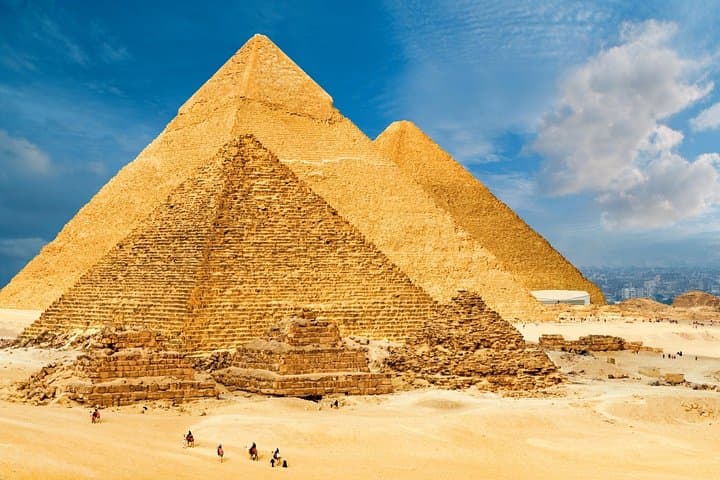
You step out of a Cairo airport transfer into hard light and a horizon ruled by stone. The Giza Plateau pushes itself up from the desert—three pyramids rising like engineered mountains and the Sphinx watching over them. Voices of guides, the clack of sandals and the occasional bray of a street vendor form the modern soundtrack while the limestone faces of kings hold a far older silence.
Verified experiences and guided adventures in the surrounding area.
Operated by Koki Egypt Travel · Giza, Cairo Governorate
You step out of a Cairo airport transfer into hard light and a horizon ruled by stone. The Giza Plateau pushes itself up from the desert—three pyramids rising like engineered mountains and the Sphinx watching over them. Voices of guides, the clack of sandals and the occasional bray of a street vendor form the modern soundtrack while the limestone faces of kings hold a far older silence.
This half-day loop stitches Egypt’s ancient past to the living city. The pyramids date to the Fourth Dynasty (around 2600–2500 BCE); their geometry and quarrying tell of massive labor, skilled masonry and an economy centered on the Nile. Geologically, the plateau is a patchwork of Eocene limestones and calcarenite that preserve millennia of human modification. Culturally you’ll pass communities whose rhythms are still tied to market bargaining and daily Nile crossings.
Practically, expect 6–7 hours including private pickup, guided time at the pyramid complexes, the Sphinx, panoramic viewpoints and a one-hour felucca sail on the Nile. Walking is mostly on compacted sand and paved paths with short uneven stretches and gentle slopes; entry to inner chambers requires separate tickets and narrow ladders. Bring sun protection, carry small local currency for tips and expect a brisk pace if timed to a flight.
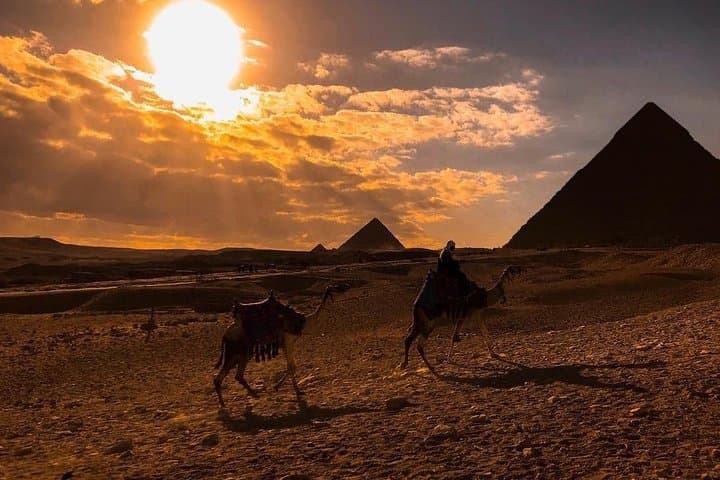
This itinerary is ideal as a focused introduction—sharp on photo ops and context, light on long treks. Time your visit for early morning or late afternoon light; the felucca ride gives a cultural contrast, letting the river push your rhythm back toward the city.
easy.
6–7 hours.
Light walking ability required with short standing periods; suitable for most fitness levels
The private tour runs about 7 hours (420 minutes) and includes hotel or airport pickup and drop-off in the itinerary options shown.
Inner-chamber access is sometimes possible but requires separate tickets purchased on site; your guide can assist with current availability and queueing.
Feluccas are traditional sailboats; a one-hour ride on the Nile is generally calm and scenic—bring a light jacket for breezy conditions at dusk.
This activity is not recommended for pregnant travelers or those with serious spinal issues due to uneven surfaces and occasional stair climbs into chambers.
The Giza complex was built in the 4th Dynasty; the Great Pyramid of Khufu is the last surviving structure of the ancient Seven Wonders and reflects centralized resources and advanced stoneworking.
Visitor numbers and urban expansion strain the plateau; stay on marked paths, avoid climbing monuments and follow guide instructions to protect fragile archaeology.
Koki Egypt Travel operates guided outdoor trips and adventures with an emphasis on safety, stewardship, and memorable experiences.

You step out of a Cairo airport transfer into hard light and a horizon ruled by stone. The Giza Plateau pushes itself up from the desert—three pyramids rising like engineered mountains and the Sphinx watching over them. Voices of guides, the clack of sandals and the occasional bray of a street vendor form the modern soundtrack while the limestone faces of kings hold a far older silence.
You step out of a Cairo airport transfer into hard light and a horizon ruled by stone. The Giza Plateau pushes itself up from the desert—three pyramids rising like engineered mountains and the Sphinx watching over them. Voices of guides, the clack of sandals and the occasional bray of a street vendor form the modern soundtrack while the limestone faces of kings hold a far older silence.
This half-day loop stitches Egypt’s ancient past to the living city. The pyramids date to the Fourth Dynasty (around 2600–2500 BCE); their geometry and quarrying tell of massive labor, skilled masonry and an economy centered on the Nile. Geologically, the plateau is a patchwork of Eocene limestones and calcarenite that preserve millennia of human modification. Culturally you’ll pass communities whose rhythms are still tied to market bargaining and daily Nile crossings.
Practically, expect 6–7 hours including private pickup, guided time at the pyramid complexes, the Sphinx, panoramic viewpoints and a one-hour felucca sail on the Nile. Walking is mostly on compacted sand and paved paths with short uneven stretches and gentle slopes; entry to inner chambers requires separate tickets and narrow ladders. Bring sun protection, carry small local currency for tips and expect a brisk pace if timed to a flight.
This itinerary is ideal as a focused introduction—sharp on photo ops and context, light on long treks. Time your visit for early morning or late afternoon light; the felucca ride gives a cultural contrast, letting the river push your rhythm back toward the city.