THE ADVENTURE COLLECTIVE® · Independent discovery and booking for outdoor travel

Maximize a long airport layover with a single-day private circuit through Giza’s pyramids, the Egyptian Museum, Islamic and Coptic quarters, and a Nile dinner cruise. This practical guide outlines what to expect, how to prepare, and key tips for navigating Cairo’s top sites on a tight timetable.
Maximize a long airport layover with a single-day private circuit through Giza’s pyramids, the Egyptian Museum, Islamic and Coptic quarters, and a Nile dinner cruise. This practical guide outlines what to expect, how to prepare, and key tips for navigating Cairo’s top sites on a tight timetable.
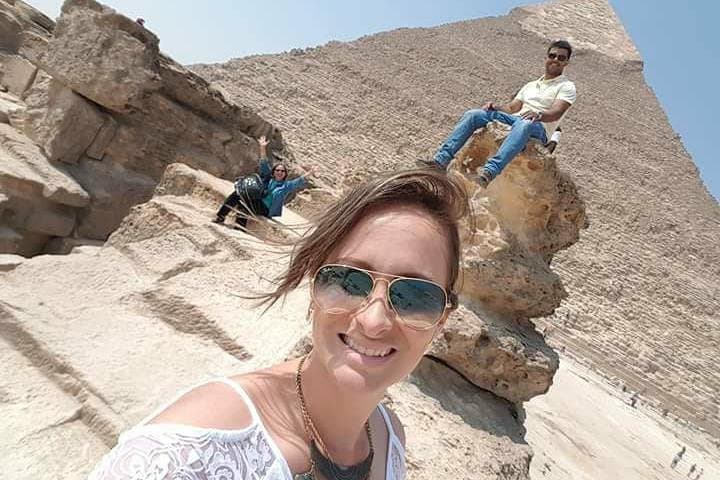
You step out of Cairo International with a name on a cardboard sign, the air hot and mineral-heavy; within minutes the city recedes and the Giza Plateau rises into view — the Great Pyramid a blunt, immense silhouette against a sky scraped thin by years. A private car pulls close, and the first hour is a sprint through 4,500 years of human ambition: limestone blocks, carved faces, and a silence that has weight.
Verified experiences and guided adventures in the surrounding area.
Operated by Upper Egypt Services · Cairo, Cairo Governorate
You step out of Cairo International with a name on a cardboard sign, the air hot and mineral-heavy; within minutes the city recedes and the Giza Plateau rises into view — the Great Pyramid a blunt, immense silhouette against a sky scraped thin by years. A private car pulls close, and the first hour is a sprint through 4,500 years of human ambition: limestone blocks, carved faces, and a silence that has weight.
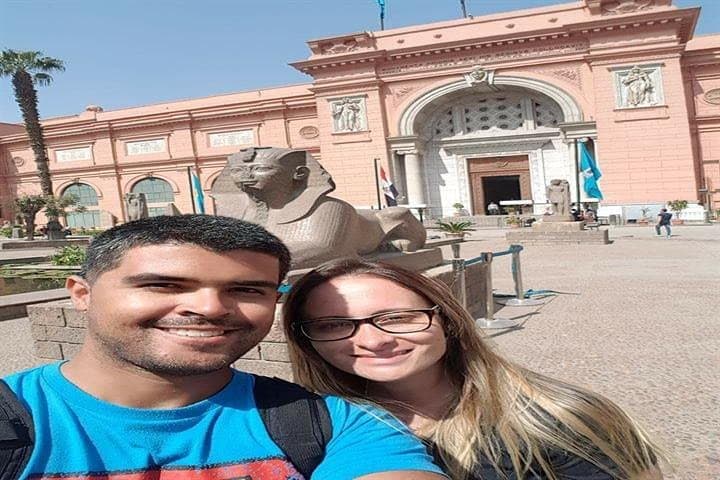
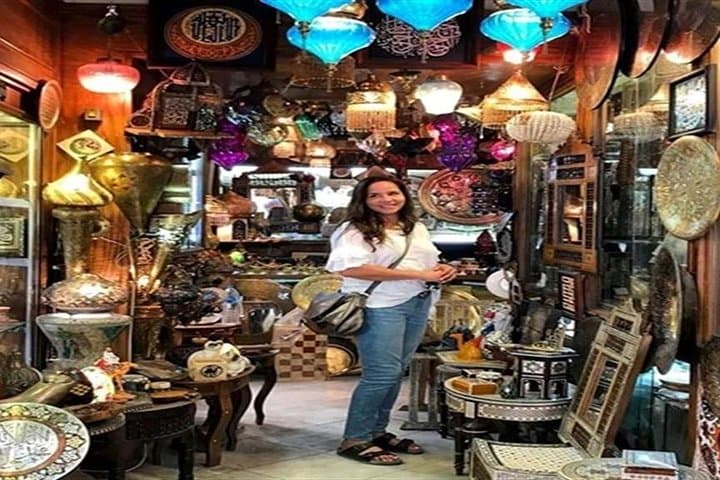
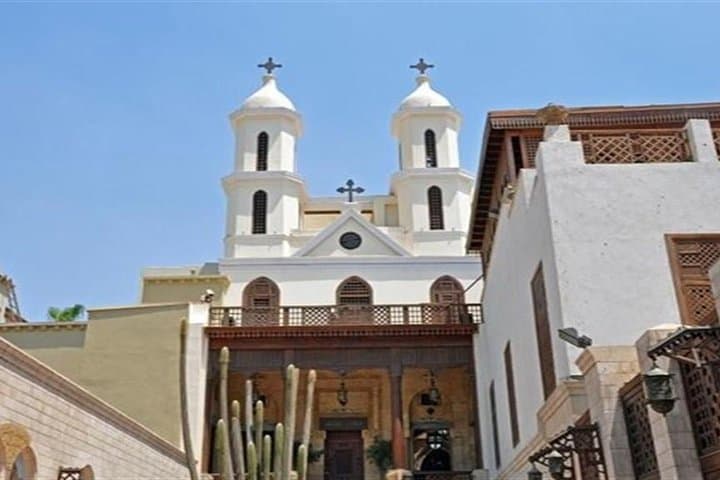
The itinerary stitches eras together. Geology and engineering meet in the pyramids — quarried limestone and granite set on bedrock that’s stood since the Old Kingdom. The Egyptian Museum in Tahrir holds small, precise objects of enormous cultural power (Tutankhamun’s mask among them). Islamic Cairo, born in the 7th century and reshaped under Saladin, offers crenellated walls and the alabaster sheen of Mohamed Ali’s mosque. Coptic Cairo preserves early Christian churches and a living community with roots in Late Antiquity. The Nile threads the day, offering a cool, moving edge on a dinner cruise where live music and Sufi dancers animate the riverbank.
Practical guidance: this is a long, guided day—expect 10 hours on a mostly accessible route with short walks on uneven stone at archaeological sites. Bring sun protection, a refillable water bottle, comfortable closed shoes and modest dress for mosques and churches. If you want to enter pyramid interiors, buy tickets in advance or ask your guide; interiors are tight and not recommended for claustrophobic travelers. Schedule early morning or late afternoon to avoid the harsh mid-day sun and to catch the plateau and Nile in the best light.
easy.
10 hours.
Suitable for most travelers in normal health; involves short walks on uneven stone and standing during museum visits.
The tour runs approximately 10 hours (600 minutes) covering Giza, the Egyptian Museum, Islamic and Coptic Cairo, and a Nile dinner cruise.
Yes — the tour includes meet-and-greet at Cairo airport and private A/C transport between sites.
Entrance fees are included in the tour price, though optional extras such as pyramid interior tickets may incur an additional charge.
The provider lists wheelchair-accessible transport and some accessible surfaces, but key sights like pyramid ramps and some historic interiors have uneven terrain; check specifics with the operator before booking.
The Great Pyramid dates to roughly 2560 BCE and stands on a limestone plateau that became a royal necropolis; Islamic Cairo grew after the 7th century and preserves medieval walls and Ottoman-era architecture.
Visitor pressure and urban sprawl are key concerns—follow marked paths, don’t climb on monuments, and use licensed guides to support controlled access and local conservation efforts.
Upper Egypt Services operates guided outdoor trips and adventures with an emphasis on safety, stewardship, and memorable experiences.
You step out of Cairo International with a name on a cardboard sign, the air hot and mineral-heavy; within minutes the city recedes and the Giza Plateau rises into view — the Great Pyramid a blunt, immense silhouette against a sky scraped thin by years. A private car pulls close, and the first hour is a sprint through 4,500 years of human ambition: limestone blocks, carved faces, and a silence that has weight.
You step out of Cairo International with a name on a cardboard sign, the air hot and mineral-heavy; within minutes the city recedes and the Giza Plateau rises into view — the Great Pyramid a blunt, immense silhouette against a sky scraped thin by years. A private car pulls close, and the first hour is a sprint through 4,500 years of human ambition: limestone blocks, carved faces, and a silence that has weight.
The itinerary stitches eras together. Geology and engineering meet in the pyramids — quarried limestone and granite set on bedrock that’s stood since the Old Kingdom. The Egyptian Museum in Tahrir holds small, precise objects of enormous cultural power (Tutankhamun’s mask among them). Islamic Cairo, born in the 7th century and reshaped under Saladin, offers crenellated walls and the alabaster sheen of Mohamed Ali’s mosque. Coptic Cairo preserves early Christian churches and a living community with roots in Late Antiquity. The Nile threads the day, offering a cool, moving edge on a dinner cruise where live music and Sufi dancers animate the riverbank.
Practical guidance: this is a long, guided day—expect 10 hours on a mostly accessible route with short walks on uneven stone at archaeological sites. Bring sun protection, a refillable water bottle, comfortable closed shoes and modest dress for mosques and churches. If you want to enter pyramid interiors, buy tickets in advance or ask your guide; interiors are tight and not recommended for claustrophobic travelers. Schedule early morning or late afternoon to avoid the harsh mid-day sun and to catch the plateau and Nile in the best light.