THE ADVENTURE COLLECTIVE® · Independent discovery and booking for outdoor travel

Two full days of Cairo pack pharaonic giants, the golden halls of the Egyptian Museum and the intimate alleys of Coptic Cairo into a practical, walkable itinerary. Expect big stone monuments, bustling souks and a steady dose of history—and plan for heat, crowds and bargaining.
Two full days of Cairo pack pharaonic giants, the golden halls of the Egyptian Museum and the intimate alleys of Coptic Cairo into a practical, walkable itinerary. Expect big stone monuments, bustling souks and a steady dose of history—and plan for heat, crowds and bargaining.
The first light catches the edges of the Giza Plateau and the Great Pyramid of Khufu looms like a living geometry lesson—stone stacked with patient precision. Visitors arrive by air-conditioned vehicle, step onto wind-scoured gravel and feel the scale: Khufu’s pyramid still dominates the skyline while the Sphinx watches the approach, 73 meters long, 20 meters high.
Verified experiences and guided adventures in the surrounding area.
Operated by Egyptravel Tours · Cairo, Cairo Governorate
The first light catches the edges of the Giza Plateau and the Great Pyramid of Khufu looms like a living geometry lesson—stone stacked with patient precision. Visitors arrive by air-conditioned vehicle, step onto wind-scoured gravel and feel the scale: Khufu’s pyramid still dominates the skyline while the Sphinx watches the approach, 73 meters long, 20 meters high.
This two-day circuit pairs pharaonic showpieces with Cairo’s layered history. Day one follows the Old Kingdom’s giants—Khufu, Khafre and Menkaure—then moves into the Egyptian Museum, home to the King Tutankhamun collection and more than 120,000 artifacts that trace millennia of Nile civilization. Day two shifts character: Christian Coptic Cairo holds the Hanging Church, St. Barbara and the Ben Ezra Synagogue, sites the Holy Family is traditionally said to have visited. Nearby, the Monastery of St. Simon carves seven cave churches into the Moqattam limestone; El-Moez Street and Khan el-Khalili present Ottoman and medieval urban textures and busy souk life.
Geology and human craft meet at every stop—limestone quarries that fed pyramid cores, red granite used in inner chambers, and centuries of civic architecture layered over older foundations. Locals bring history to the present in market bargaining, mosque courtyards and street food.
Practical guidance: start early to beat heat and crowds, carry cash for tips and optional camel rides, and bring sun protection and comfortable walking shoes. Note: entrance fees are included for most sites but inside-pyramid entry often requires a separate ticket; confirm with your guide at pickup (meeting point commonly Tahrir Square).
easy.
2 days.
Suitable for most fitness levels; requires several hours of walking and some stairs inside museums and churches.
Most entrance fees for listed sites are included, but inside-pyramid access often requires a separate ticket—confirm with your operator before arrival.
Yes—tour is described as physically easy; infants should sit on an adult’s lap and parents should plan for sun protection and shade breaks.
Optional camel rides are typically offered at the plateau for an additional fee; negotiate price in advance and be cautious of added photo fees.
Common pickup/waiting point is in front of the KFC in Tahrir Square in downtown Cairo, and transport is by air-conditioned vehicle.
The Giza pyramids date to Egypt’s Fourth Dynasty (c. 26th century BC); the Egyptian Museum documents continuous cultural development from predynastic eras through Roman Egypt.
High visitor numbers stress fragile sites—use marked paths, avoid touching reliefs and prefer refillable water to reduce plastic waste.
Egyptravel Tours operates guided outdoor trips and adventures with an emphasis on safety, stewardship, and memorable experiences.
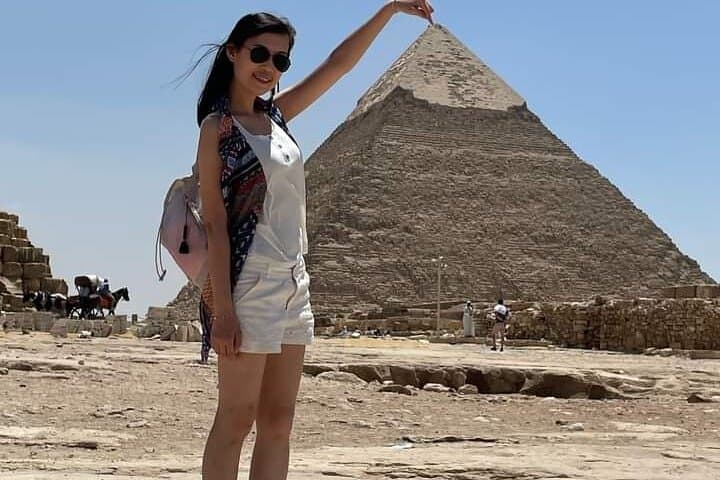
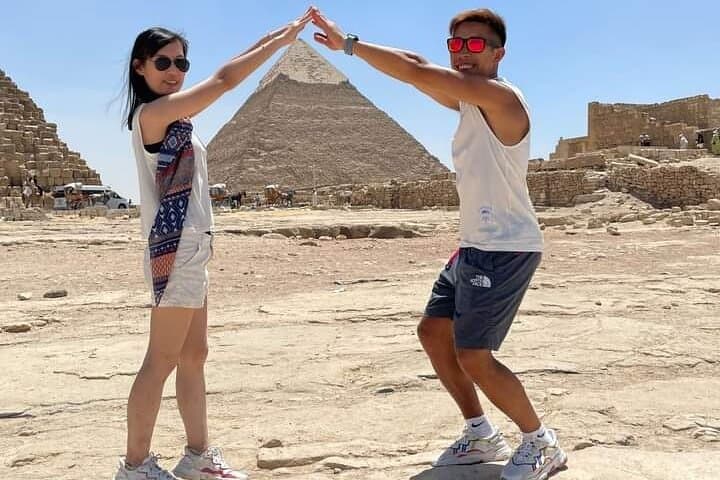
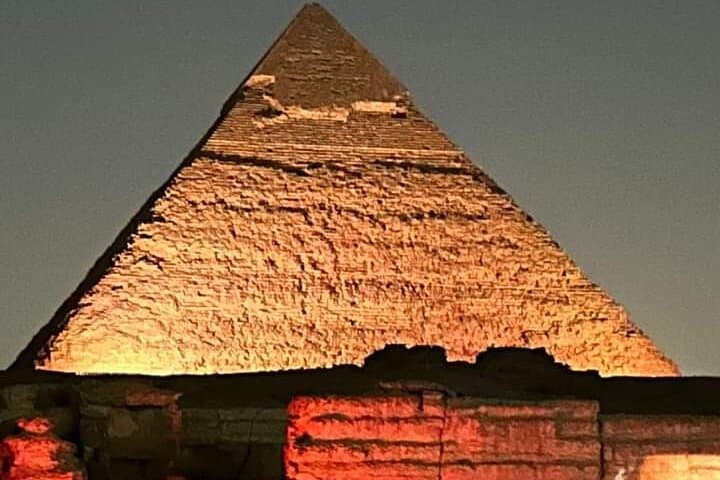
The first light catches the edges of the Giza Plateau and the Great Pyramid of Khufu looms like a living geometry lesson—stone stacked with patient precision. Visitors arrive by air-conditioned vehicle, step onto wind-scoured gravel and feel the scale: Khufu’s pyramid still dominates the skyline while the Sphinx watches the approach, 73 meters long, 20 meters high.
The first light catches the edges of the Giza Plateau and the Great Pyramid of Khufu looms like a living geometry lesson—stone stacked with patient precision. Visitors arrive by air-conditioned vehicle, step onto wind-scoured gravel and feel the scale: Khufu’s pyramid still dominates the skyline while the Sphinx watches the approach, 73 meters long, 20 meters high.
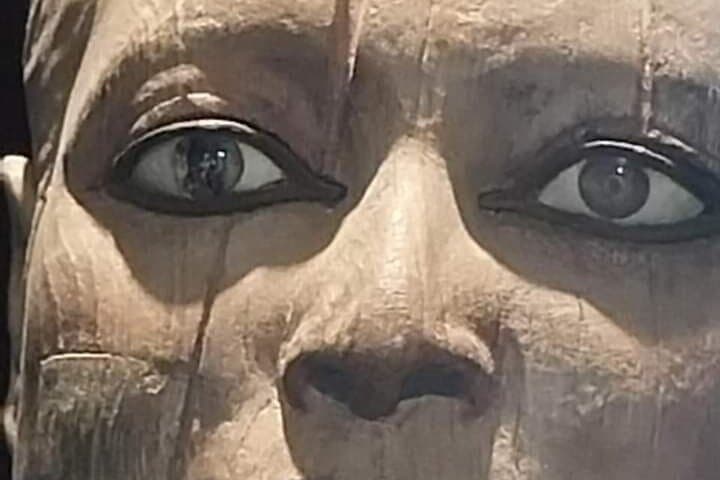
This two-day circuit pairs pharaonic showpieces with Cairo’s layered history. Day one follows the Old Kingdom’s giants—Khufu, Khafre and Menkaure—then moves into the Egyptian Museum, home to the King Tutankhamun collection and more than 120,000 artifacts that trace millennia of Nile civilization. Day two shifts character: Christian Coptic Cairo holds the Hanging Church, St. Barbara and the Ben Ezra Synagogue, sites the Holy Family is traditionally said to have visited. Nearby, the Monastery of St. Simon carves seven cave churches into the Moqattam limestone; El-Moez Street and Khan el-Khalili present Ottoman and medieval urban textures and busy souk life.
Geology and human craft meet at every stop—limestone quarries that fed pyramid cores, red granite used in inner chambers, and centuries of civic architecture layered over older foundations. Locals bring history to the present in market bargaining, mosque courtyards and street food.
Practical guidance: start early to beat heat and crowds, carry cash for tips and optional camel rides, and bring sun protection and comfortable walking shoes. Note: entrance fees are included for most sites but inside-pyramid entry often requires a separate ticket; confirm with your guide at pickup (meeting point commonly Tahrir Square).