THE ADVENTURE COLLECTIVE® · Independent discovery and booking for outdoor travel

Choose any of three full-day itineraries that showcase Cairo’s must-sees: the Pyramids and Sphinx, Coptic and Islamic heritage sites, and museums plus Khan El-Khalili. Each day is self-contained — pick one or string them together for a layered city experience.
Choose any of three full-day itineraries that showcase Cairo’s must-sees: the Pyramids and Sphinx, Coptic and Islamic heritage sites, and museums plus Khan El-Khalili. Each day is self-contained — pick one or string them together for a layered city experience.
You arrive at the Sheraton gathering point just as the city stirs — minarets silhouette the morning light, car horns thread through narrow alleys, and the Giza plateau appears across the Nile like a rocky horizon. Each full-day option hands you a different Cairo: one of ancient stone, one of Coptic and Islamic neighborhoods, and one of museums and winding bazaars.
Verified experiences and guided adventures in the surrounding area.
Operated by Munir · Cairo, Cairo Governorate
You arrive at the Sheraton gathering point just as the city stirs — minarets silhouette the morning light, car horns thread through narrow alleys, and the Giza plateau appears across the Nile like a rocky horizon. Each full-day option hands you a different Cairo: one of ancient stone, one of Coptic and Islamic neighborhoods, and one of museums and winding bazaars.
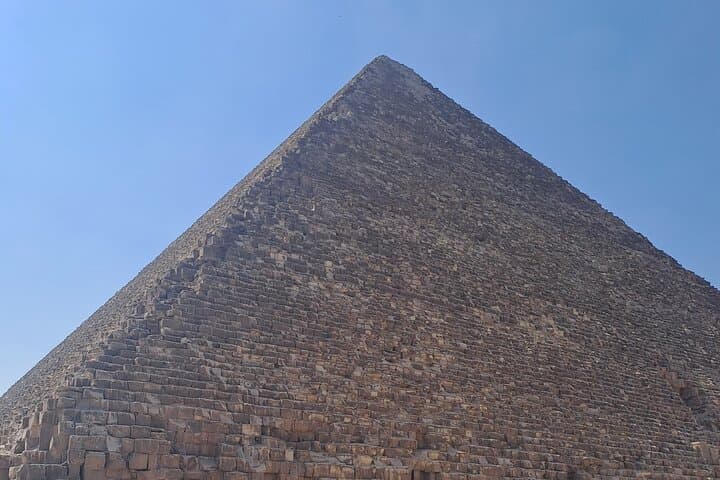
The first day centers on the Giza Plateau — limestone bedrock lifted into pyramids some 4,500 years old and the enigmatic Sphinx carved from the same strata. Day two moves through Old Cairo’s layers: Roman Babylon, the Hanging Church, and St. Simon’s monastery clinging to Mokattam’s tufa cliffs. Day three stitches modern collections and civic viewpoints — the Grand Egyptian Museum’s modern galleries and the 360° sweep from Cairo Tower, followed by the spice-scented alleys of Khan El-Khalili.
Cairo is geology and history in motion: the Nile’s sediments fed a civilization while later rulers like Saladin shaped the Citadel’s skyline. Local culture is tactile — bargaining in markets, sipping mango juice at El Fishawy, sampling koshary from a street cart.
Practical guidance: book the days you want in advance, and remember some insider details — inner pyramid access requires on-site ticket purchase (Visa only), St. Simon involves a 400-step climb, and many sites are busiest midday. Bring sun protection and good walking shoes, set aside time for traffic between sites, and factor in modest dress for religious sites. With planning, these full-day choices give you modular access to Cairo’s most essential experiences.
moderate.
5–24 hours.
Mostly low-impact walking with intermittent stairs and uneven surfaces; able-bodied visitors with average fitness will be comfortable, but expect climbs at some sites.
Some museums and attractions are included depending on the day you book; inner pyramid access and some site tickets are often purchased on-site — check the specific day’s inclusions before you go.
The meeting point and many transport options are wheelchair accessible, but specific stops (like St. Simon’s monastery or pyramid interiors) have stairs and uneven terrain — ask the operator about accessible alternatives.
Egyptian pounds are standard for small purchases and market bargaining; tips (baksheesh) are customary for guides and service staff — plan modest gratuities in local currency.
October–April offers cooler temperatures and more comfortable sightseeing; summer (June–August) is hot and better for early starts and indoor museum time.
The Giza pyramids date to Egypt’s Old Kingdom (around 2600–2500 BCE); the Cairo Citadel was founded by Saladin in the 12th century as a defensive stronghold.
The Giza Plateau and museum collections face pressure from crowds and urban pollution — stick to marked paths, avoid touching artifacts, and support licensed guides and local conservation efforts.
Munir operates guided outdoor trips and adventures with an emphasis on safety, stewardship, and memorable experiences.
You arrive at the Sheraton gathering point just as the city stirs — minarets silhouette the morning light, car horns thread through narrow alleys, and the Giza plateau appears across the Nile like a rocky horizon. Each full-day option hands you a different Cairo: one of ancient stone, one of Coptic and Islamic neighborhoods, and one of museums and winding bazaars.
You arrive at the Sheraton gathering point just as the city stirs — minarets silhouette the morning light, car horns thread through narrow alleys, and the Giza plateau appears across the Nile like a rocky horizon. Each full-day option hands you a different Cairo: one of ancient stone, one of Coptic and Islamic neighborhoods, and one of museums and winding bazaars.
The first day centers on the Giza Plateau — limestone bedrock lifted into pyramids some 4,500 years old and the enigmatic Sphinx carved from the same strata. Day two moves through Old Cairo’s layers: Roman Babylon, the Hanging Church, and St. Simon’s monastery clinging to Mokattam’s tufa cliffs. Day three stitches modern collections and civic viewpoints — the Grand Egyptian Museum’s modern galleries and the 360° sweep from Cairo Tower, followed by the spice-scented alleys of Khan El-Khalili.
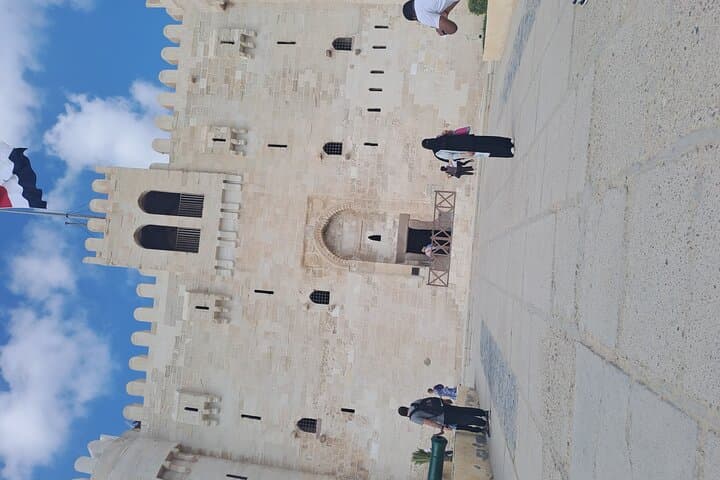
Cairo is geology and history in motion: the Nile’s sediments fed a civilization while later rulers like Saladin shaped the Citadel’s skyline. Local culture is tactile — bargaining in markets, sipping mango juice at El Fishawy, sampling koshary from a street cart.
Practical guidance: book the days you want in advance, and remember some insider details — inner pyramid access requires on-site ticket purchase (Visa only), St. Simon involves a 400-step climb, and many sites are busiest midday. Bring sun protection and good walking shoes, set aside time for traffic between sites, and factor in modest dress for religious sites. With planning, these full-day choices give you modular access to Cairo’s most essential experiences.