THE ADVENTURE COLLECTIVE® · Independent discovery and booking for outdoor travel

Three days in Cairo and Alexandria bring pyramids, a camel ride, the Egyptian Museum and a Nile dinner cruise with live entertainment. This guided itinerary balances big‑ticket sights with local context and door‑to‑door transfers.
Three days in Cairo and Alexandria bring pyramids, a camel ride, the Egyptian Museum and a Nile dinner cruise with live entertainment. This guided itinerary balances big‑ticket sights with local context and door‑to‑door transfers.
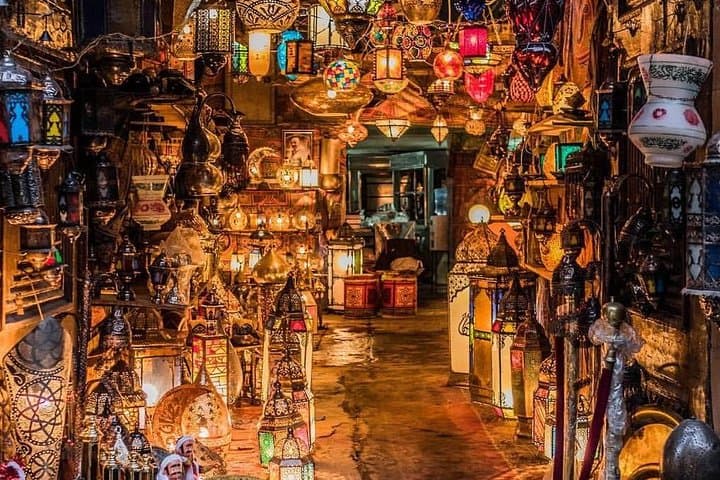
Morning light slides across the Giza plateau as you step from an air‑conditioned van into a wide, sandy sweep of stone and shadow. The pyramids loom—weathered giants that measure time in millions of sunrises—while the Sphinx watches traffic and camels alike. Over the next three days you move between city and coast: temple stones giving way to museum galleries, market alleys to a Mediterranean breeze in Alexandria.
Verified experiences and guided adventures in the surrounding area.
Operated by Nile Prince Travel · Cairo, Cairo Governorate
Morning light slides across the Giza plateau as you step from an air‑conditioned van into a wide, sandy sweep of stone and shadow. The pyramids loom—weathered giants that measure time in millions of sunrises—while the Sphinx watches traffic and camels alike. Over the next three days you move between city and coast: temple stones giving way to museum galleries, market alleys to a Mediterranean breeze in Alexandria.
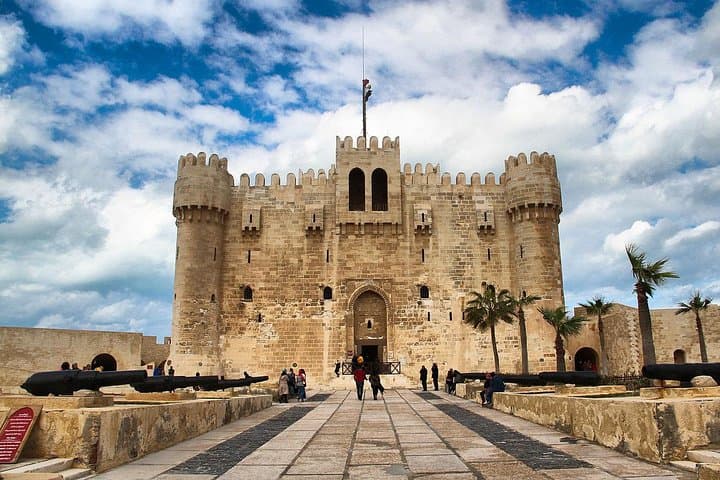
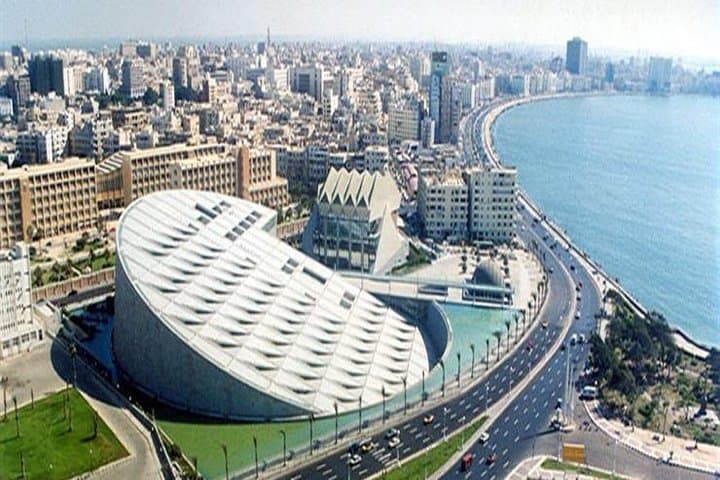
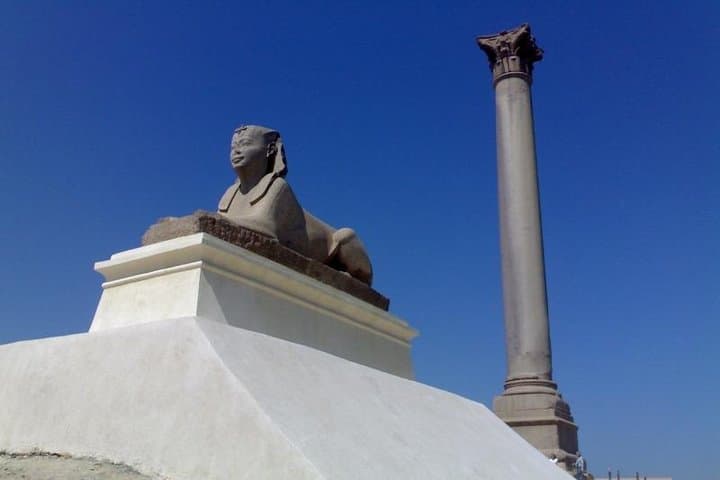
Cairo’s layers are visible at a glance. Pharaonic Sakkara predates the smooth‑sided pyramids and reveals the evolution of royal architecture; the Egyptian Museum concentrates millennia of funerary craft under one roof. Muslim Cairo shows Ottoman and Mamluk stonework crowned by the Mohamed Ali mosque; Coptic Cairo preserves churches older than many European cathedrals. Alexandria adds Hellenistic and Roman chapters—libraries, catacombs and seaside forts.
Expect flat walking, packed dirt and paved streets, occasional steps in tombs and museum stairs. The camel ride at Giza is short (around 30 minutes) and staged for photos; the Nile dinner cruise is largely sedentary but lively after sunset. Guides handle logistics—tickets, short transfers and timed entries—so your days focus on interpretation and vantage points.
Practical edge: travel light, wear sun‑protective layers and sturdy walking shoes, and carry local cash for small purchases and tips. Aim for early mornings at outdoor sites to avoid heat and crowds; reserve museum time mid‑day when indoor shade is welcome. Respect local dress norms in religious sites, keep water with you, and photograph with permission. This three‑day loop gives a compact, approachable survey of Egypt’s urban and coastal heritage—rich in views, stories and tangible history.
easy.
3 days (approx. 8–10 hours/day).
Suitable for travelers in average fitness; requires standing, moderate walking and some short uneven surfaces.
The tour includes admission to listed sites in the itinerary; confirm specific museum inclusions when booking.
Many nationalities require visas for Egypt—check current rules with your embassy or the Egyptian e‑visa portal before travel.
Tipping is customary for guides, drivers and service staff; carry small local currency and tip according to the service.
The operator lists wheelchair‑accessible options and transport; some ancient sites have uneven terrain where access may be limited.
Cairo grew from pharaonic and later Hellenistic, Roman, Coptic and Islamic layers; nearby Alexandria preserves Ptolemaic and Roman monuments.
Sites face erosion and visitor wear—stay on marked routes, avoid touching ancient reliefs, and decline illicit antiquities to support preservation.
Nile Prince Travel operates guided outdoor trips and adventures with an emphasis on safety, stewardship, and memorable experiences.
Morning light slides across the Giza plateau as you step from an air‑conditioned van into a wide, sandy sweep of stone and shadow. The pyramids loom—weathered giants that measure time in millions of sunrises—while the Sphinx watches traffic and camels alike. Over the next three days you move between city and coast: temple stones giving way to museum galleries, market alleys to a Mediterranean breeze in Alexandria.
Morning light slides across the Giza plateau as you step from an air‑conditioned van into a wide, sandy sweep of stone and shadow. The pyramids loom—weathered giants that measure time in millions of sunrises—while the Sphinx watches traffic and camels alike. Over the next three days you move between city and coast: temple stones giving way to museum galleries, market alleys to a Mediterranean breeze in Alexandria.
Cairo’s layers are visible at a glance. Pharaonic Sakkara predates the smooth‑sided pyramids and reveals the evolution of royal architecture; the Egyptian Museum concentrates millennia of funerary craft under one roof. Muslim Cairo shows Ottoman and Mamluk stonework crowned by the Mohamed Ali mosque; Coptic Cairo preserves churches older than many European cathedrals. Alexandria adds Hellenistic and Roman chapters—libraries, catacombs and seaside forts.
Expect flat walking, packed dirt and paved streets, occasional steps in tombs and museum stairs. The camel ride at Giza is short (around 30 minutes) and staged for photos; the Nile dinner cruise is largely sedentary but lively after sunset. Guides handle logistics—tickets, short transfers and timed entries—so your days focus on interpretation and vantage points.
Practical edge: travel light, wear sun‑protective layers and sturdy walking shoes, and carry local cash for small purchases and tips. Aim for early mornings at outdoor sites to avoid heat and crowds; reserve museum time mid‑day when indoor shade is welcome. Respect local dress norms in religious sites, keep water with you, and photograph with permission. This three‑day loop gives a compact, approachable survey of Egypt’s urban and coastal heritage—rich in views, stories and tangible history.