THE ADVENTURE COLLECTIVE® · Independent discovery and booking for outdoor travel

Explore Cairo in a 4–8 hour semi‑private or private tour that links the Pyramids, Egyptian Museum, Khan El-Khalili and the Citadel. Expect guided transport, entry options, and a pace suited to seeing the city’s highlights in a single day.
Explore Cairo in a 4–8 hour semi‑private or private tour that links the Pyramids, Egyptian Museum, Khan El-Khalili and the Citadel. Expect guided transport, entry options, and a pace suited to seeing the city’s highlights in a single day.
You step from Cairo traffic into a courtyard where stone and sunlight argue for your attention — the sharp angles of the Pyramids across the desert, the muffled cadence of vendors in Khan El-Khalili, and the Nile threading the city with a steady patience. A half-day or full-day guided tour compresses these contrasts into a single, moving itinerary: ancient tombs, Ottoman citadels, and lanes of merchants trading spices and copper.
Verified experiences and guided adventures in the surrounding area.
Operated by Sun2Spain · Cairo, Cairo
You step from Cairo traffic into a courtyard where stone and sunlight argue for your attention — the sharp angles of the Pyramids across the desert, the muffled cadence of vendors in Khan El-Khalili, and the Nile threading the city with a steady patience. A half-day or full-day guided tour compresses these contrasts into a single, moving itinerary: ancient tombs, Ottoman citadels, and lanes of merchants trading spices and copper.
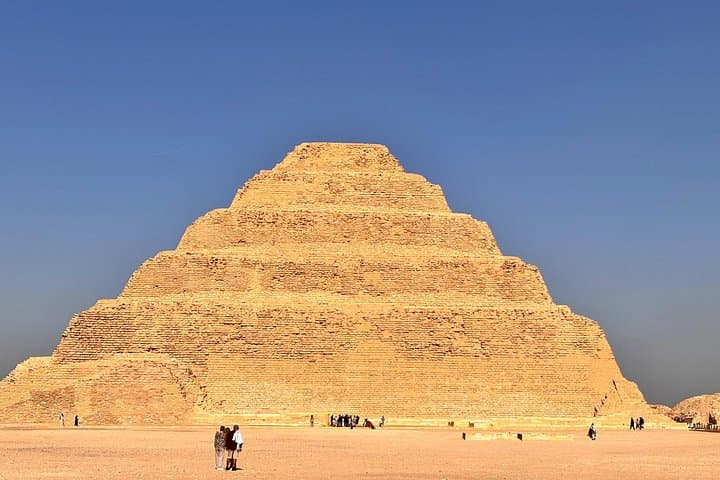
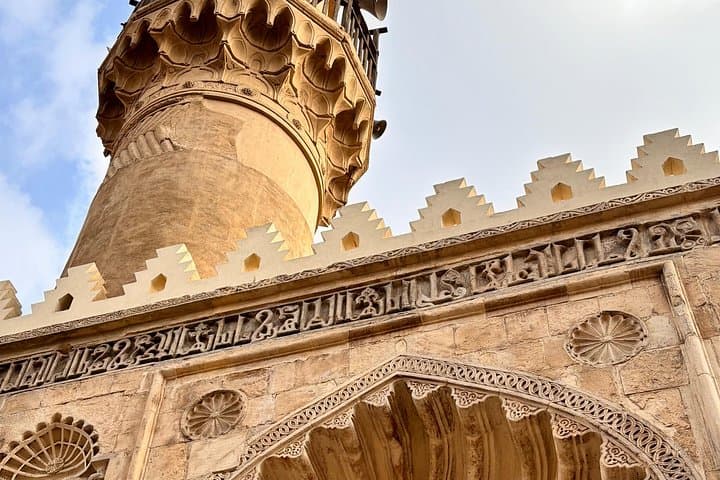
Cairo's story is layered: Pharaonic monuments at Giza and Saqqara (home of the Step Pyramid) sit downriver from Greco-Roman and Islamic quarters. The Egyptian Museum houses Tutankhamun’s treasures and artifacts that outline millennia of statecraft and religion. Islamic Cairo — Al-Muizz Street and the Citadel — shows medieval urban design; nearby Coptic sites like the Hanging Church tell of early Christian life in the city.
Geology is visible where the Nile’s floodplain meets limestone desert, where tomb builders quarried blocks that became royal chambers. Culture is immediate: prayer calls, coffee smoke, and vendors shaping time-honored trades.
Practical guidance: tours typically run 4–8 hours and include transportation and a licensed guide; admission to major museums and monuments is often covered but confirm when booking. Expect uneven surfaces, steps, and short walks between sites — wear sturdy shoes, sun protection, and a lightweight layer for mosque interiors. Carry local currency for tips and market purchases, and plan for traffic delays when scheduling airport transfers. Early starts beat the heat and the crowds, and a calm, flexible pace makes Cairo’s intensity feel like exploration rather than rush.
moderate.
4–8 hours.
Moderate fitness: you should be comfortable walking several kilometers on uneven surfaces and climbing short flights of stairs.
Many itineraries include entry to major sites like the Egyptian Museum, the Citadel, and some pyramids areas, but confirm specifics with the operator before booking.
Most semi-private and private tours include pickup and drop-off from central Cairo or Giza hotels—provide your pickup details when booking.
Stroller access is possible in parts of the city, but archaeological sites have uneven ground and stairs that make strollers impractical; infant seats may be available in vehicles.
Licensed guides commonly speak English and other major languages—check the tour listing or ask in advance to confirm language availability.
Cairo grew around the strategic Nile crossing and has been a political and cultural center since the Fatimid period; its neighborhoods preserve Pharaonic, Coptic, Islamic and Ottoman layers.
High visitor numbers stress archaeological sites and museums; travel responsibly by following guidelines, staying on paths, and avoiding touching fragile artifacts.
Sun2Spain operates guided outdoor trips and adventures with an emphasis on safety, stewardship, and memorable experiences.
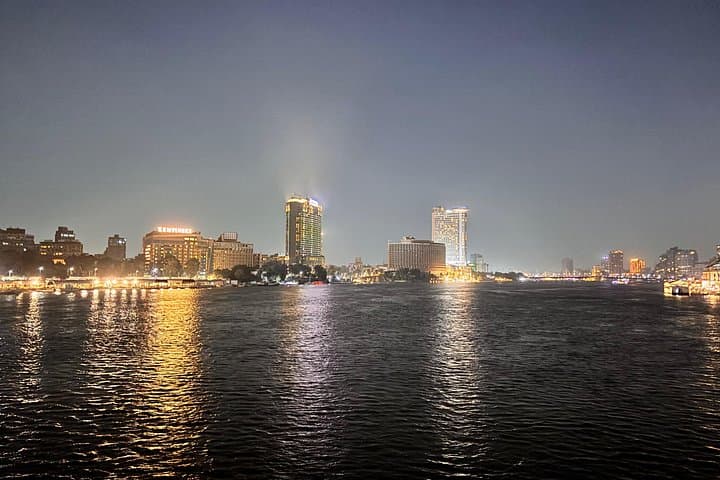
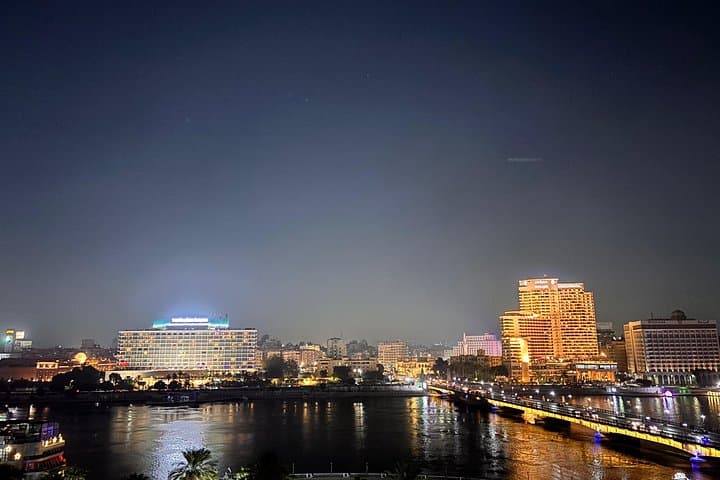
You step from Cairo traffic into a courtyard where stone and sunlight argue for your attention — the sharp angles of the Pyramids across the desert, the muffled cadence of vendors in Khan El-Khalili, and the Nile threading the city with a steady patience. A half-day or full-day guided tour compresses these contrasts into a single, moving itinerary: ancient tombs, Ottoman citadels, and lanes of merchants trading spices and copper.
You step from Cairo traffic into a courtyard where stone and sunlight argue for your attention — the sharp angles of the Pyramids across the desert, the muffled cadence of vendors in Khan El-Khalili, and the Nile threading the city with a steady patience. A half-day or full-day guided tour compresses these contrasts into a single, moving itinerary: ancient tombs, Ottoman citadels, and lanes of merchants trading spices and copper.
Cairo's story is layered: Pharaonic monuments at Giza and Saqqara (home of the Step Pyramid) sit downriver from Greco-Roman and Islamic quarters. The Egyptian Museum houses Tutankhamun’s treasures and artifacts that outline millennia of statecraft and religion. Islamic Cairo — Al-Muizz Street and the Citadel — shows medieval urban design; nearby Coptic sites like the Hanging Church tell of early Christian life in the city.
Geology is visible where the Nile’s floodplain meets limestone desert, where tomb builders quarried blocks that became royal chambers. Culture is immediate: prayer calls, coffee smoke, and vendors shaping time-honored trades.
Practical guidance: tours typically run 4–8 hours and include transportation and a licensed guide; admission to major museums and monuments is often covered but confirm when booking. Expect uneven surfaces, steps, and short walks between sites — wear sturdy shoes, sun protection, and a lightweight layer for mosque interiors. Carry local currency for tips and market purchases, and plan for traffic delays when scheduling airport transfers. Early starts beat the heat and the crowds, and a calm, flexible pace makes Cairo’s intensity feel like exploration rather than rush.