THE ADVENTURE COLLECTIVE® · Independent discovery and booking for outdoor travel

See Cairo’s headline sites in one intensive day: the Egyptian Museum’s treasures, then the Giza Plateau’s pyramids and the Sphinx. This guided day trip by plane from Sharm El Sheikh packs history, local flavor and practical logistics into an action-packed itinerary.
See Cairo’s headline sites in one intensive day: the Egyptian Museum’s treasures, then the Giza Plateau’s pyramids and the Sphinx. This guided day trip by plane from Sharm El Sheikh packs history, local flavor and practical logistics into an action-packed itinerary.
You step off the early flight into Cairo as the city yawns awake, dust motes sliding across a skyline that blends minarets, modern towers and the distant outline of the Giza Plateau. Within hours you’re walking between artifacts that survived millennia and standing beneath stones laid by hands four and a half thousand years ago.
Verified experiences and guided adventures in the surrounding area.
Operated by Sharm Life Day Tours · Cairo, Cairo Governorate
You step off the early flight into Cairo as the city yawns awake, dust motes sliding across a skyline that blends minarets, modern towers and the distant outline of the Giza Plateau. Within hours you’re walking between artifacts that survived millennia and standing beneath stones laid by hands four and a half thousand years ago.
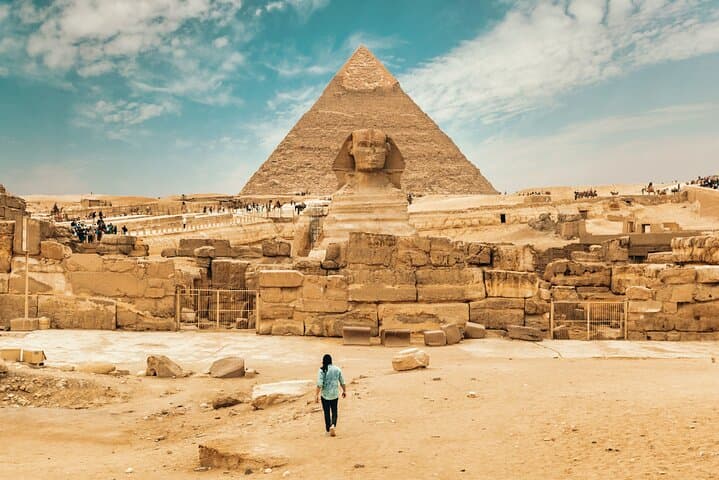
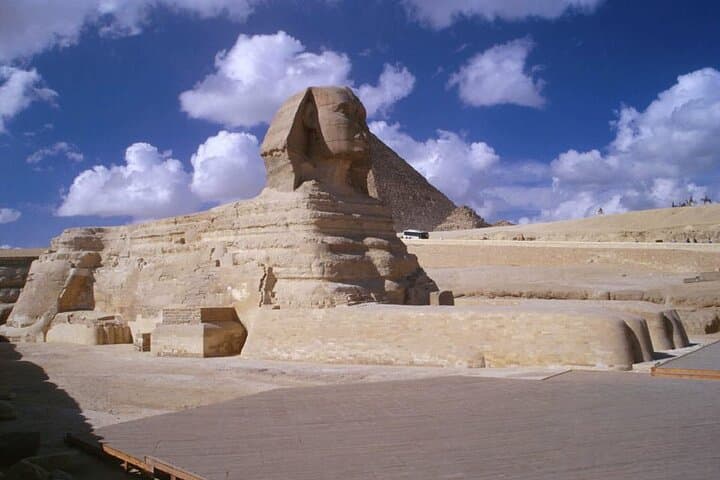
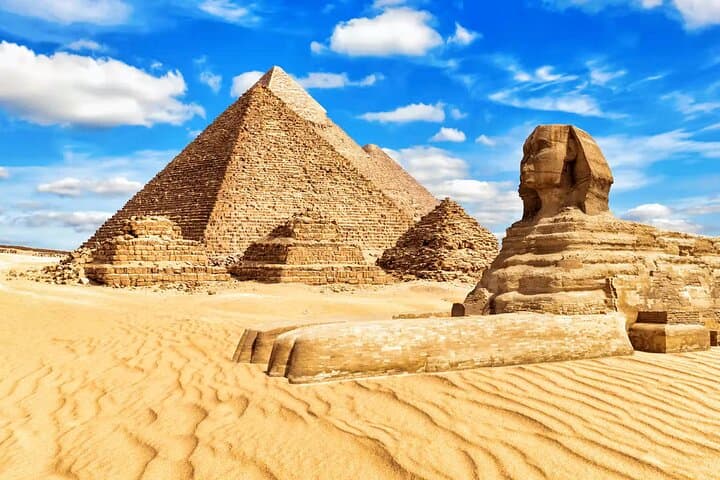
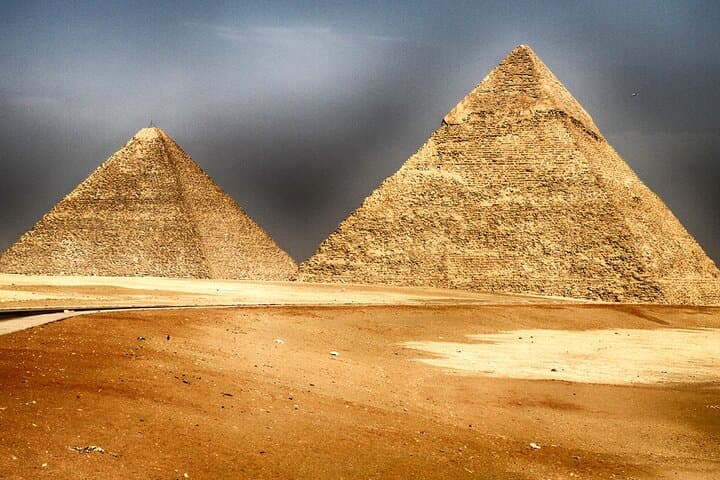
The route follows a compact cultural arc: the Egyptian Museum’s packed halls—mummies, funerary masks and everyday objects that reveal ancient civic life—then the Giza Plateau where the Great Pyramids and the Sphinx dominate the horizon. Geologically, the plateau is limestone bedrock sculpted by ancient sea beds and human quarrying; archaeologically, it’s a stage for dynastic ambition and burial practice.
Cairo is loud and layered: bazaars trading spices and brass, Nile boats negotiating currents that have carried life and commerce for centuries. Your Egyptologist guide links dates, dynasties and construction techniques, and points out local rhythms—prayer times, market etiquette and bargaining norms—that make a quick visit feel richer.
Practical guidance: expect a very long day (typically 15–18 hours). Carry your passport for domestic flight check-in and a visa-on-arrival if needed. Sun protection and comfortable walking shoes are essential for uneven stone and sandy viewpoints. Lunch by the Nile is a chance to rest; consider a short felucca if you want river views before your return flight.
Timing matters—mornings and late afternoons offer cooler light for photos and more comfortable walking. The tour moves efficiently but allows free time to photograph and explore; pack water, a lightweight layer for air-conditioned vehicles, and leave space for small purchases at a traditional bazaar.
easy.
15–18 hours.
Suitable for travelers in general good health who can manage a full, long day of walking and brief standing periods
Many nationalities can purchase an Egypt entry visa on arrival at Sharm El Sheikh Airport; check current entry rules for your nationality before travel.
The itinerary includes guided time at the Egyptian Museum and the Giza Plateau with photo stops and a lunch break; it’s paced tightly but allows free time for photos and brief exploration.
Yes—this tour is rated easy and is suitable for most ages, though participants should be able to handle a long day and some walking on uneven surfaces.
An optional felucca ride is often available as an upgrade during the lunch stop—ask your guide on the day for availability and pricing.
The Giza Plateau dates to Egypt’s Old Kingdom; Khufu’s pyramid was completed around 2560 BCE and remains the largest of the three main pyramids at Giza.
Heavy visitor numbers stress fragile sites—stay on designated paths, avoid touching carved surfaces, and support guides who follow official site rules to reduce impact.
Sharm Life Day Tours operates guided outdoor trips and adventures with an emphasis on safety, stewardship, and memorable experiences.
You step off the early flight into Cairo as the city yawns awake, dust motes sliding across a skyline that blends minarets, modern towers and the distant outline of the Giza Plateau. Within hours you’re walking between artifacts that survived millennia and standing beneath stones laid by hands four and a half thousand years ago.
You step off the early flight into Cairo as the city yawns awake, dust motes sliding across a skyline that blends minarets, modern towers and the distant outline of the Giza Plateau. Within hours you’re walking between artifacts that survived millennia and standing beneath stones laid by hands four and a half thousand years ago.
The route follows a compact cultural arc: the Egyptian Museum’s packed halls—mummies, funerary masks and everyday objects that reveal ancient civic life—then the Giza Plateau where the Great Pyramids and the Sphinx dominate the horizon. Geologically, the plateau is limestone bedrock sculpted by ancient sea beds and human quarrying; archaeologically, it’s a stage for dynastic ambition and burial practice.
Cairo is loud and layered: bazaars trading spices and brass, Nile boats negotiating currents that have carried life and commerce for centuries. Your Egyptologist guide links dates, dynasties and construction techniques, and points out local rhythms—prayer times, market etiquette and bargaining norms—that make a quick visit feel richer.
Practical guidance: expect a very long day (typically 15–18 hours). Carry your passport for domestic flight check-in and a visa-on-arrival if needed. Sun protection and comfortable walking shoes are essential for uneven stone and sandy viewpoints. Lunch by the Nile is a chance to rest; consider a short felucca if you want river views before your return flight.
Timing matters—mornings and late afternoons offer cooler light for photos and more comfortable walking. The tour moves efficiently but allows free time to photograph and explore; pack water, a lightweight layer for air-conditioned vehicles, and leave space for small purchases at a traditional bazaar.