THE ADVENTURE COLLECTIVE® · Independent discovery and booking for outdoor travel

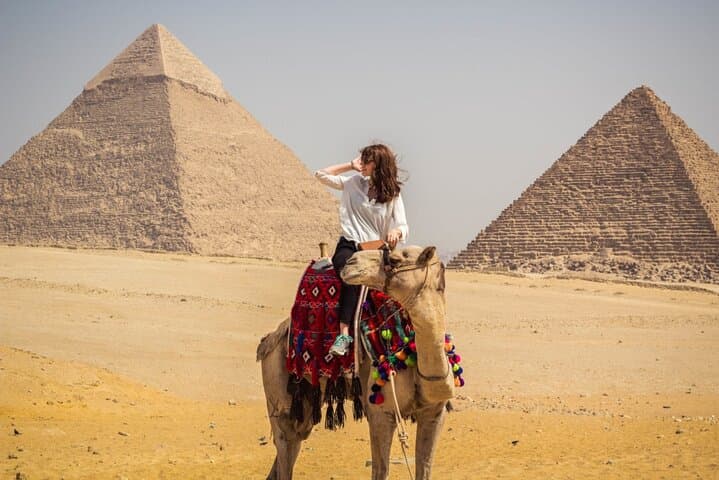
See Cairo’s headline sights in one day—with an Egyptologist guide, private transport, lunch, and admissions included. Ride a camel on the Giza plateau, explore the Egyptian Museum’s treasures, and wander the alleys of Khan Al‑Khalili.
See Cairo’s headline sights in one day—with an Egyptologist guide, private transport, lunch, and admissions included. Ride a camel on the Giza plateau, explore the Egyptian Museum’s treasures, and wander the alleys of Khan Al‑Khalili.
The sun hits the Giza plateau in a hard, clear light and the desert dares you to keep pace. You arrive by air‑conditioned minivan, guided by an Egyptologist whose voice threads history into the long shadows of the three pyramids. Sand crunches underfoot; a camel’s slow rhythm reframes the scale of stone that’s stood since around 2560 BC.
Verified experiences and guided adventures in the surrounding area.
Operated by Alfa Tours Egypt · Cairo, Cairo Governorate
The sun hits the Giza plateau in a hard, clear light and the desert dares you to keep pace. You arrive by air‑conditioned minivan, guided by an Egyptologist whose voice threads history into the long shadows of the three pyramids. Sand crunches underfoot; a camel’s slow rhythm reframes the scale of stone that’s stood since around 2560 BC.
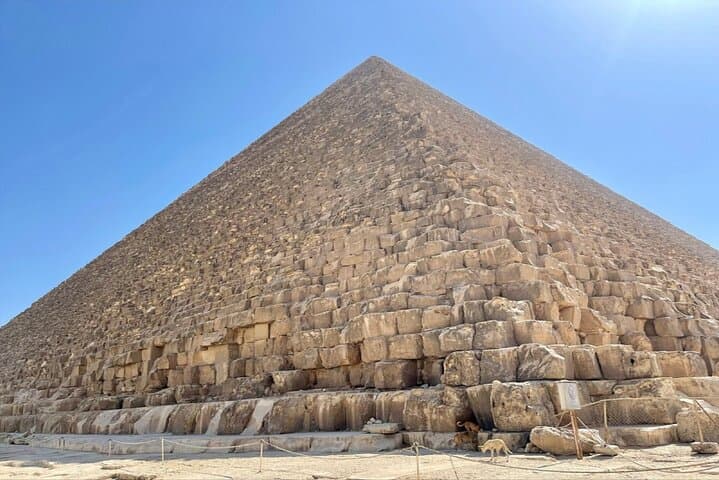
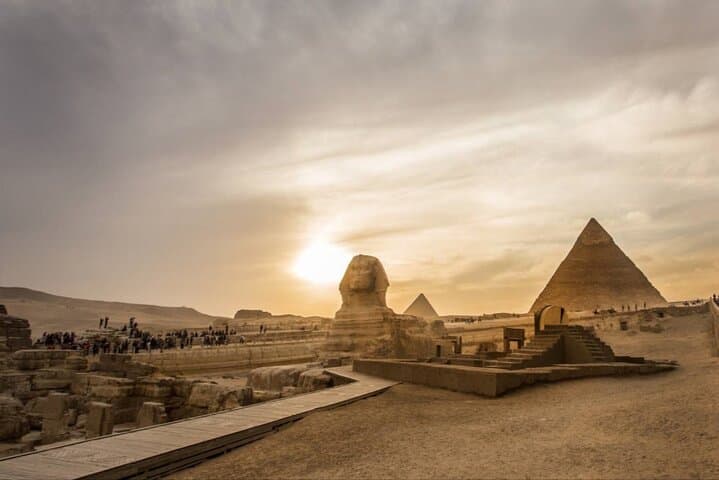
Geology here is plain to see—limestone beds quarried into colossal blocks, eroded faces that record millennia of wind and dust. The Sphinx crouches nearby, a lion-bodied guardian with a human face weathered by time and restoration. Back in central Cairo, the Museum of Egyptian Antiquities gathers material culture across dynasties: coffins, statuary, and the gold mask of Tutankhamun—museum lighting and conservation rules mean photography and handling are limited.
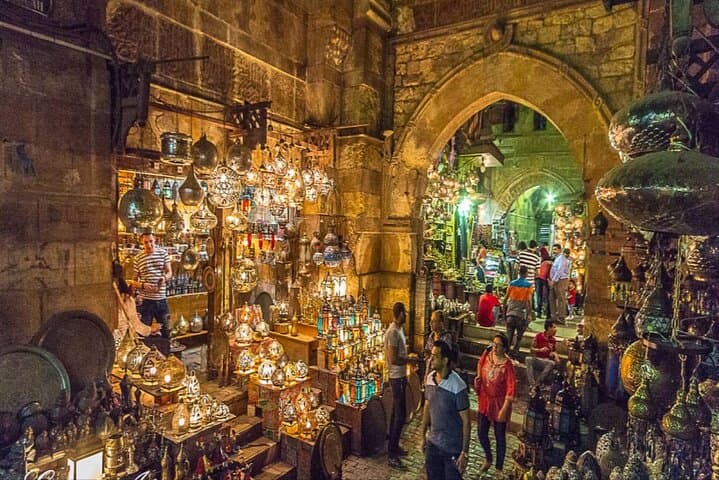
Khan Al‑Khalili then shifts the day from archaeology to living culture: a maze of alleys, brass workshops, coffeehouses, and bargaining rhythms inherited from Mamluk and Ottoman trade networks. Local guides will point out artisans, recommend a kebab or mint tea, and help you navigate quieter side streets that tourists often pass by.
Practical edge: this is an eight‑hour private loop—expect security checks, short walks on uneven ground, and heat in summer. Wear sturdy shoes, carry a hat and plenty of water, and keep a copy of your passport on hand. The itinerary includes admissions, a 30‑minute camel ride, lunch, and door‑to‑door transport—so plan your day for early pickup, and leave room in your bag for small purchases and plenty of photographs.
easy.
8 hours.
Suitable for average fitness; involves several short walks on uneven ground and brief standing periods.
The tour is approximately 8 hours and includes private transport, a qualified Egyptologist guide, admissions to listed sites, a 30‑minute camel ride, and lunch.
The tour is classed as easy but involves uneven terrain and security checkpoints; children are welcome, and limited mobility participants should notify the operator for possible accommodations.
Photography rules can change—flash and tripods are often restricted to protect artifacts; follow museum signs and your guide’s instructions.
Small vendors and some services at Khan Al‑Khalili prefer cash (Egyptian pounds); larger establishments and your tour supplier will accept cards.
The Giza pyramids date to Egypt’s Fourth Dynasty (c. 2600s BC), while Khan Al‑Khalili developed as a commercial quarter in the Mamluk and Ottoman periods, growing into Cairo’s primary bazaar.
Tour operators work with site authorities to follow visitor limits and conservation rules; avoid climbing monuments and follow waste‑minimization practices in busy market areas.
Alfa Tours Egypt operates guided outdoor trips and adventures with an emphasis on safety, stewardship, and memorable experiences.
The sun hits the Giza plateau in a hard, clear light and the desert dares you to keep pace. You arrive by air‑conditioned minivan, guided by an Egyptologist whose voice threads history into the long shadows of the three pyramids. Sand crunches underfoot; a camel’s slow rhythm reframes the scale of stone that’s stood since around 2560 BC.
The sun hits the Giza plateau in a hard, clear light and the desert dares you to keep pace. You arrive by air‑conditioned minivan, guided by an Egyptologist whose voice threads history into the long shadows of the three pyramids. Sand crunches underfoot; a camel’s slow rhythm reframes the scale of stone that’s stood since around 2560 BC.
Geology here is plain to see—limestone beds quarried into colossal blocks, eroded faces that record millennia of wind and dust. The Sphinx crouches nearby, a lion-bodied guardian with a human face weathered by time and restoration. Back in central Cairo, the Museum of Egyptian Antiquities gathers material culture across dynasties: coffins, statuary, and the gold mask of Tutankhamun—museum lighting and conservation rules mean photography and handling are limited.
Khan Al‑Khalili then shifts the day from archaeology to living culture: a maze of alleys, brass workshops, coffeehouses, and bargaining rhythms inherited from Mamluk and Ottoman trade networks. Local guides will point out artisans, recommend a kebab or mint tea, and help you navigate quieter side streets that tourists often pass by.
Practical edge: this is an eight‑hour private loop—expect security checks, short walks on uneven ground, and heat in summer. Wear sturdy shoes, carry a hat and plenty of water, and keep a copy of your passport on hand. The itinerary includes admissions, a 30‑minute camel ride, lunch, and door‑to‑door transport—so plan your day for early pickup, and leave room in your bag for small purchases and plenty of photographs.