THE ADVENTURE COLLECTIVE® · Independent discovery and booking for outdoor travel

Fly from Hurghada for a compact, expertly guided day that puts the Giza Pyramids, the Sphinx, the Egyptian Museum and Khan al-Khalili within reach. This private tour packs history, archaeology, and local culture into a single 10-hour experience.
Fly from Hurghada for a compact, expertly guided day that puts the Giza Pyramids, the Sphinx, the Egyptian Museum and Khan al-Khalili within reach. This private tour packs history, archaeology, and local culture into a single 10-hour experience.
You leave the Red Sea coast before dawn, the plane climbing toward the wide Nile floodplain where history sits in stone. By midmorning the Giza plateau unfolds: three pyramids rise like deliberate machines, the Sphinx squints into the sun, and the plateau’s wind pushes dust along the desert as if clearing a path for you.
Verified experiences and guided adventures in the surrounding area.
Operated by Egypt Lifetime Tours · Cairo, Cairo Governorate
You leave the Red Sea coast before dawn, the plane climbing toward the wide Nile floodplain where history sits in stone. By midmorning the Giza plateau unfolds: three pyramids rise like deliberate machines, the Sphinx squints into the sun, and the plateau’s wind pushes dust along the desert as if clearing a path for you.
These monuments are engineering and ritual—Great Pyramid of Khufu built around 2560 BCE from millions of limestone blocks, the Sphinx carved from bedrock during Khafre’s reign. The Egyptian Museum in downtown Cairo collects millennia: Tutankhamen’s funerary mask and ritual objects offer a close look at elite burial practice, while Khan al-Khalili gives a contrasting alive-and-noisy view of modern Egyptian urban culture and commerce.
On a practical level this is a long, scheduled day: round-trip flights from Hurghada, private A/C transfers, and an English-speaking Egyptologist guide are included, but entrance tickets to pyramid interiors and the museum’s mummy room are usually extra. Expect 10 hours from hotel pickup to return, brief walks across uneven plateau surfaces and paved museum corridors, and time for bargaining at the souk.
Plan for sun, sand, and crowds: sturdy walking shoes, sun protection, valid passport for flights, and a small supply of Egyptian pounds for tips and on-site fees. Aim for early flights to beat heat and maximize light for photography. Respect ropes and signage at archaeological sites—these ruins bear the cumulative pressure of tourism and need careful handling to remain for the next visitor.
easy.
10 hours.
Suitable for most fitness levels; involves several short walks and standing for extended viewing and photography.
Yes—round-trip flights Hurghada–Cairo and private A/C transfers, including hotel pickup and return, are part of the tour package.
Standard tour covers visits, but special access (entering a pyramid or the museum’s mummy room) typically requires extra tickets purchased on site.
The tour runs about 10 hours total with a mix of short walks across the Giza plateau, stairs and ramps in museum areas, and standing during guided explanations.
The tour is listed as physically easy; however, uneven surfaces at archaeological sites can be challenging—wheelchair access exists in parts of the itinerary, and infant seats are available.
The Giza pyramids date to the Fourth Dynasty (around 2580–2560 BCE) and the Sphinx was carved from the Giza bedrock likely during Khafre’s reign; the Egyptian Museum preserves artifacts spanning millennia, including Tutankhamen’s treasures.
These archaeological sites face wear from tourism; follow marked paths, avoid touching stone surfaces, and support licensed guides and museums to help fund preservation.
Egypt Lifetime Tours operates guided outdoor trips and adventures with an emphasis on safety, stewardship, and memorable experiences.
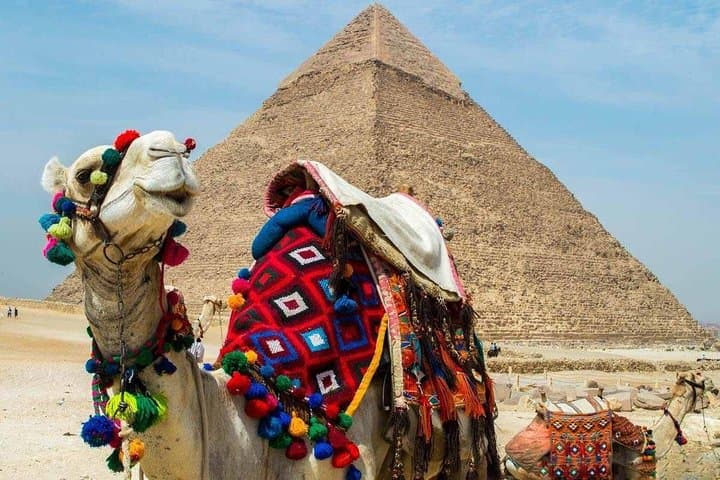
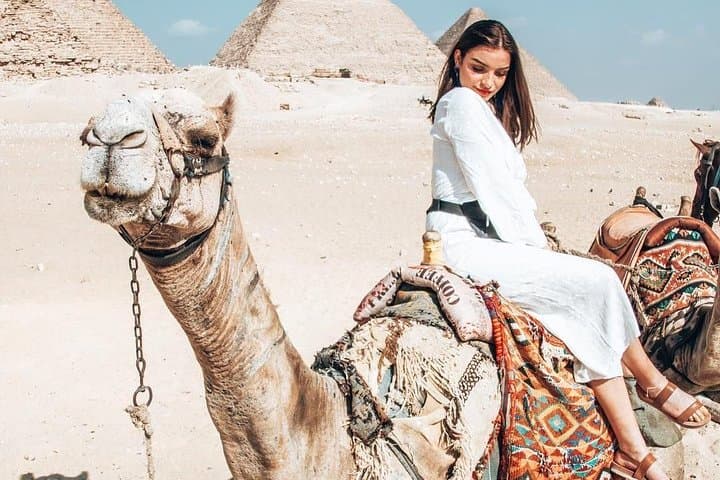
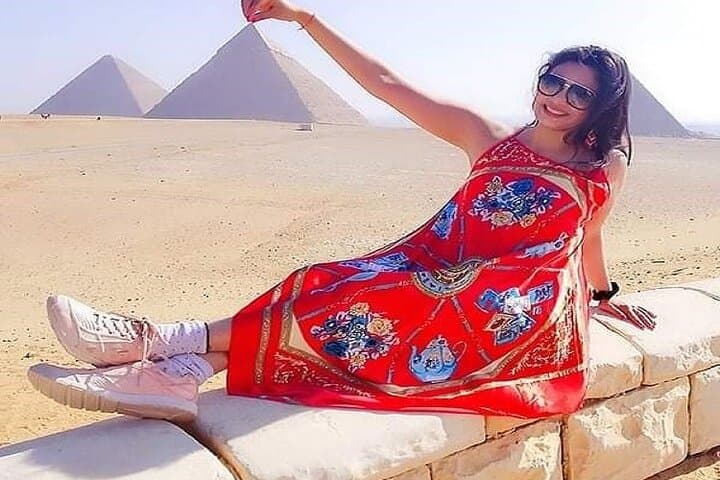
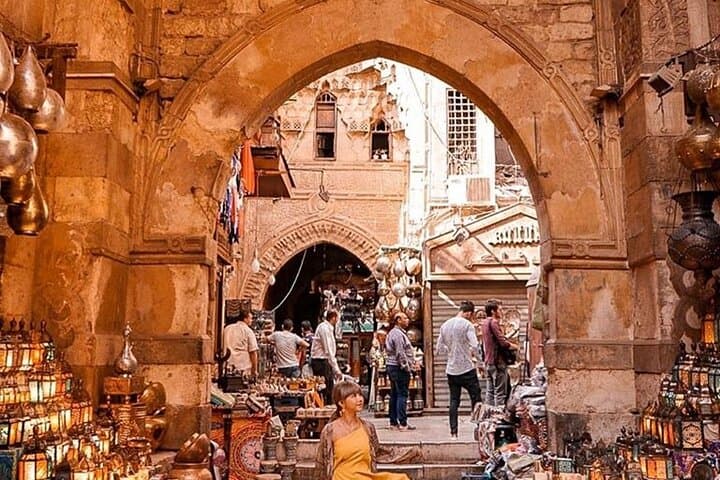
You leave the Red Sea coast before dawn, the plane climbing toward the wide Nile floodplain where history sits in stone. By midmorning the Giza plateau unfolds: three pyramids rise like deliberate machines, the Sphinx squints into the sun, and the plateau’s wind pushes dust along the desert as if clearing a path for you.
You leave the Red Sea coast before dawn, the plane climbing toward the wide Nile floodplain where history sits in stone. By midmorning the Giza plateau unfolds: three pyramids rise like deliberate machines, the Sphinx squints into the sun, and the plateau’s wind pushes dust along the desert as if clearing a path for you.
These monuments are engineering and ritual—Great Pyramid of Khufu built around 2560 BCE from millions of limestone blocks, the Sphinx carved from bedrock during Khafre’s reign. The Egyptian Museum in downtown Cairo collects millennia: Tutankhamen’s funerary mask and ritual objects offer a close look at elite burial practice, while Khan al-Khalili gives a contrasting alive-and-noisy view of modern Egyptian urban culture and commerce.
On a practical level this is a long, scheduled day: round-trip flights from Hurghada, private A/C transfers, and an English-speaking Egyptologist guide are included, but entrance tickets to pyramid interiors and the museum’s mummy room are usually extra. Expect 10 hours from hotel pickup to return, brief walks across uneven plateau surfaces and paved museum corridors, and time for bargaining at the souk.
Plan for sun, sand, and crowds: sturdy walking shoes, sun protection, valid passport for flights, and a small supply of Egyptian pounds for tips and on-site fees. Aim for early flights to beat heat and maximize light for photography. Respect ropes and signage at archaeological sites—these ruins bear the cumulative pressure of tourism and need careful handling to remain for the next visitor.