THE ADVENTURE COLLECTIVE® · Independent discovery and booking for outdoor travel

Fly from Sharm El Sheikh to Cairo for a focused day among the Great Pyramids, the Sphinx and the Egyptian Museum. This long but efficient itinerary delivers Egypt’s major antiquities with guided context and practical logistics handled.
Fly from Sharm El Sheikh to Cairo for a focused day among the Great Pyramids, the Sphinx and the Egyptian Museum. This long but efficient itinerary delivers Egypt’s major antiquities with guided context and practical logistics handled.
You lift off before dawn from Sharm El Sheikh and, in less than an hour, Cairo’s dust-hued skyline spreads beneath you. By mid-morning the Giza Plateau dominates the horizon: three stone triangles rise from the flat desert like chapters of a long story, while the Sphinx watches the approach of visitors with an inscrutable, wind-polished stare.
Verified experiences and guided adventures in the surrounding area.
Operated by Memphis Tours · Cairo, Cairo Governorate
You lift off before dawn from Sharm El Sheikh and, in less than an hour, Cairo’s dust-hued skyline spreads beneath you. By mid-morning the Giza Plateau dominates the horizon: three stone triangles rise from the flat desert like chapters of a long story, while the Sphinx watches the approach of visitors with an inscrutable, wind-polished stare.
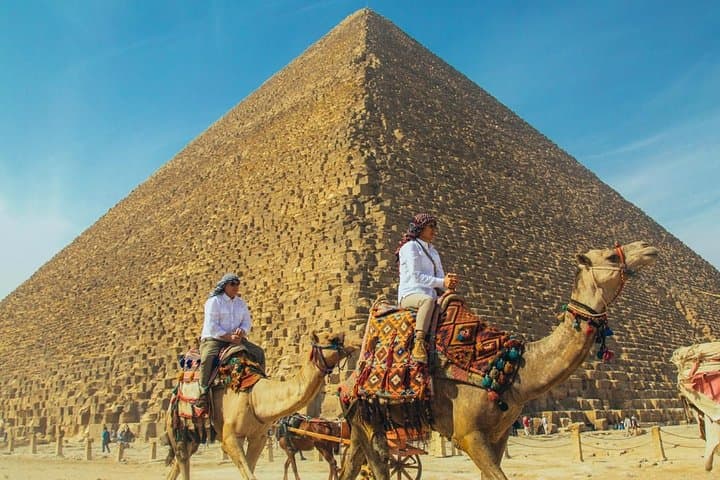
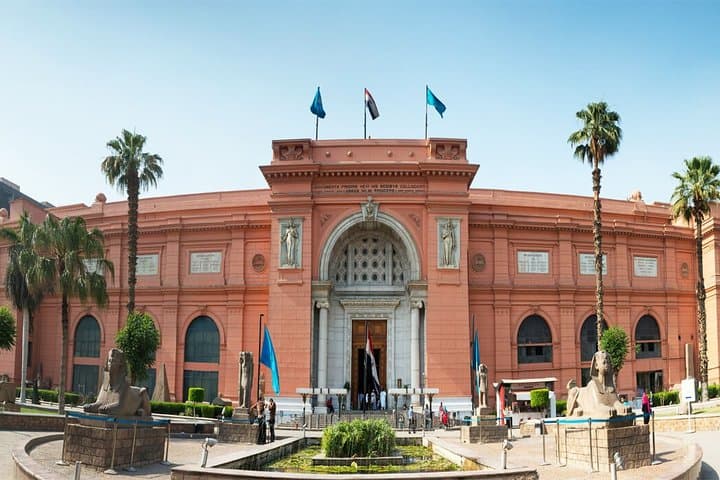
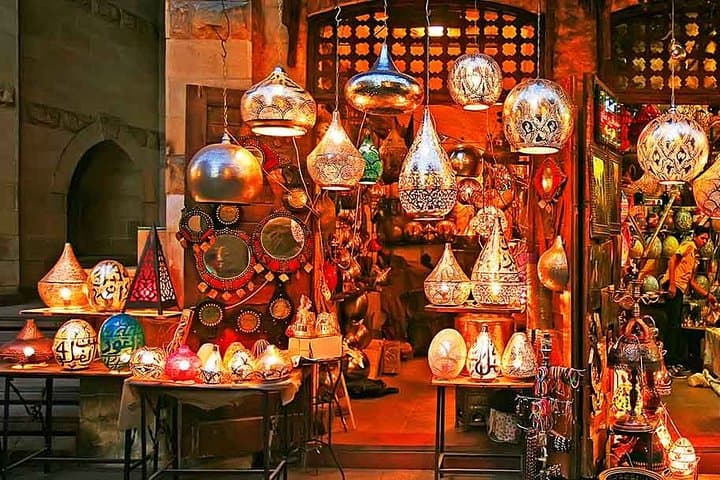
Those pyramids—built during Egypt’s Old Kingdom more than 4,500 years ago—sit on a limestone plateau formed of ancient shallow-sea deposits. The plateau’s geology gives the stones their pale, sun-baked color and provides a firm base for the monumental tombs. In the city, the Egyptian Museum on Tahrir Square holds millennia of royal objects, including Tutankhamen’s funerary cache, while Khan El-Khalili offers a rawer, living portrait of Cairo’s mercantile culture.
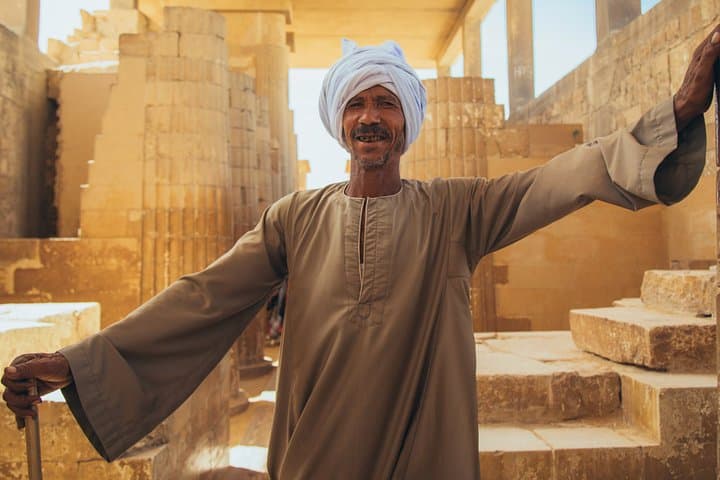
Expect a contrast of scales and tempos: the hush and weight of the ancient monuments, then the immediate, energetic cram of bazaars where bargaining is part chore and social ritual. Local guides help navigate crowded museum halls and arrange photographic viewpoints at the pyramids; camel and horse handlers operate around the plateau and are a visible part of the tourism economy.
Practical: this is a long, full-day itinerary—pack a passport, sunscreen, comfortable walking shoes, and small change for tips and purchases. Start early to avoid the hottest hours and aim to move at a steady pace in the museum (the Royal Mummy Room requires a separate ticket). Stay hydrated, watch your step on uneven limestone, and agree prices for photography or camel rides before you climb. With planning, one compact day gives you Cairo’s headline sights and enough context to want a return visit.
easy.
10–12 hours.
Low-moderate: suitable for most travelers who can handle a full day of walking and standing
Yes—two-way domestic flight tickets (Sharm–Cairo–Sharm) are included in the tour price.
Admission to the listed sites is included; note some special exhibits like the Royal Mummy Room may require a separate ticket on site.
Pickup is typically early morning from your hotel in Sharm; the total itinerary is about 10–12 hours including flights and transfers.
All sales are final for this departure—there are no refunds, and the operator may cancel for bad weather.
The Giza pyramids were built in Egypt’s Old Kingdom as royal tombs; the Egyptian Museum preserves artifacts spanning 5,000 years, including Tutankhamun’s treasures.
Heavy tourism stresses monuments and local resources—avoid touching stonework, hire licensed guides, and use reputable operators that support site protection.
Memphis Tours operates guided outdoor trips and adventures with an emphasis on safety, stewardship, and memorable experiences.
You lift off before dawn from Sharm El Sheikh and, in less than an hour, Cairo’s dust-hued skyline spreads beneath you. By mid-morning the Giza Plateau dominates the horizon: three stone triangles rise from the flat desert like chapters of a long story, while the Sphinx watches the approach of visitors with an inscrutable, wind-polished stare.
You lift off before dawn from Sharm El Sheikh and, in less than an hour, Cairo’s dust-hued skyline spreads beneath you. By mid-morning the Giza Plateau dominates the horizon: three stone triangles rise from the flat desert like chapters of a long story, while the Sphinx watches the approach of visitors with an inscrutable, wind-polished stare.
Those pyramids—built during Egypt’s Old Kingdom more than 4,500 years ago—sit on a limestone plateau formed of ancient shallow-sea deposits. The plateau’s geology gives the stones their pale, sun-baked color and provides a firm base for the monumental tombs. In the city, the Egyptian Museum on Tahrir Square holds millennia of royal objects, including Tutankhamen’s funerary cache, while Khan El-Khalili offers a rawer, living portrait of Cairo’s mercantile culture.
Expect a contrast of scales and tempos: the hush and weight of the ancient monuments, then the immediate, energetic cram of bazaars where bargaining is part chore and social ritual. Local guides help navigate crowded museum halls and arrange photographic viewpoints at the pyramids; camel and horse handlers operate around the plateau and are a visible part of the tourism economy.
Practical: this is a long, full-day itinerary—pack a passport, sunscreen, comfortable walking shoes, and small change for tips and purchases. Start early to avoid the hottest hours and aim to move at a steady pace in the museum (the Royal Mummy Room requires a separate ticket). Stay hydrated, watch your step on uneven limestone, and agree prices for photography or camel rides before you climb. With planning, one compact day gives you Cairo’s headline sights and enough context to want a return visit.