THE ADVENTURE COLLECTIVE® · Independent discovery and booking for outdoor travel

Fly from Hurghada for an intense, well-paced day in Cairo: explore the Giza pyramids, browse the Grand Egyptian Museum’s Tutankhamun collection, and walk Old Cairo’s religious quarter. Expect long days, robust logistics and unforgettable archaeology.
Fly from Hurghada for an intense, well-paced day in Cairo: explore the Giza pyramids, browse the Grand Egyptian Museum’s Tutankhamun collection, and walk Old Cairo’s religious quarter. Expect long days, robust logistics and unforgettable archaeology.
The morning takes shape on the runway: a short domestic flight lifts you from Red Sea humidity and sets the pyramids on the horizon like a jagged skyline.
Verified experiences and guided adventures in the surrounding area.
Operated by Book Egypt Tours · Cairo, Cairo Governorate
The morning takes shape on the runway: a short domestic flight lifts you from Red Sea humidity and sets the pyramids on the horizon like a jagged skyline.
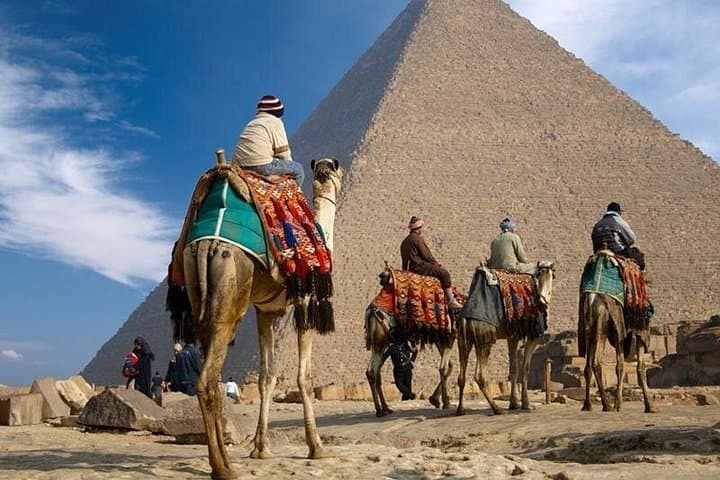
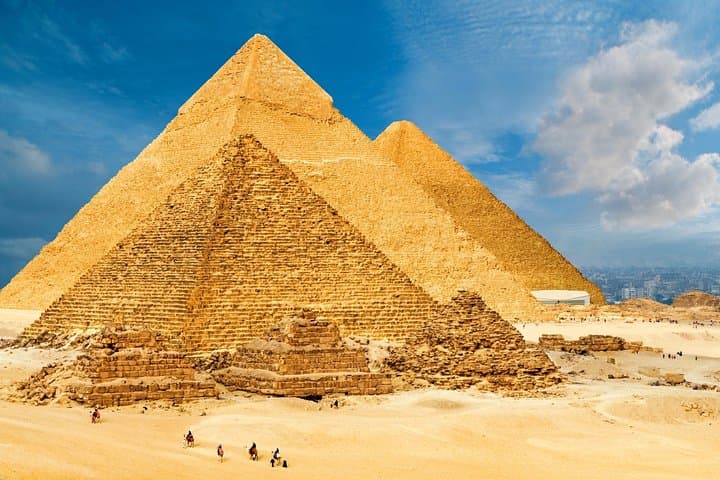
On arrival the Giza Plateau commands the first act — the three great pyramids rising from a bedrock rib of limestone and wind-polished sand. The plateau’s geology is simple and striking: quarried limestone blocks, occasional remnants of original polished casing, and the carved Sphinx guarding approaches worn by millennia of wind and footsteps.
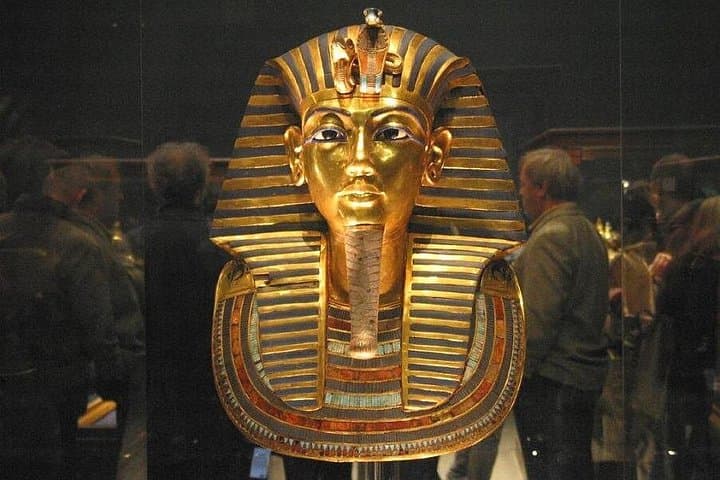
History follows fast — Fourth Dynasty engineering for the pyramids, the Sphinx’s re-carved face, and millennia of Cairo layering downstream along the Nile. The Grand Egyptian Museum collects those layers in climate-controlled galleries: Tutankhamun’s funerary furniture, gold jewelry, and the new Mummies Court create a modern counterpoint to dusty monuments outside. Old Cairo narrows the day into streets where Coptic churches, a medieval synagogue, and Amr ibn al-As Mosque sit within walking distance of one another, showing Egypt’s religious and urban palimpsest.
Practical guidance: expect a long, structured day (roughly 10–12 hours including flights and transfers). Bring a valid passport and copies, comfortable walking shoes for uneven stone, sun protection and plenty of water. Museum and pyramid grounds have security checks and variable camera policies; allow extra time for entry queues and guided commentary. Dress respectfully around religious sites, and budget small cash for refreshments and local tips. With planning, the tour compresses Cairo’s core — geology, pharaonic power and layered urban culture — into one intense, manageable day.
easy.
10–12 hours.
Basic fitness required; able to walk 2–4 miles over uneven ground and navigate steps.
Yes — the tour package includes round-trip domestic airline tickets between Hurghada and Cairo.
Admissions are not always included; confirm with the operator whether entry tickets to the Grand Egyptian Museum and Giza sites are covered or paid on arrival.
Expect several hours of walking across uneven ground at the pyramids and on paved streets in Old Cairo; bring sturdy shoes and plan for rests.
Bottled water and a lunch are included per the itinerary; carry small change for snacks and souvenirs.
Giza’s pyramids were built during Egypt’s Fourth Dynasty (c. 2600–2500 BCE); Old Cairo preserves churches and a synagogue that reflect centuries of religious coexistence.
High visitor numbers impact fragile stone and archaeological contexts; follow designated paths, avoid climbing monuments, and use waste bins to reduce site degradation.
Book Egypt Tours operates guided outdoor trips and adventures with an emphasis on safety, stewardship, and memorable experiences.
The morning takes shape on the runway: a short domestic flight lifts you from Red Sea humidity and sets the pyramids on the horizon like a jagged skyline.
The morning takes shape on the runway: a short domestic flight lifts you from Red Sea humidity and sets the pyramids on the horizon like a jagged skyline.
On arrival the Giza Plateau commands the first act — the three great pyramids rising from a bedrock rib of limestone and wind-polished sand. The plateau’s geology is simple and striking: quarried limestone blocks, occasional remnants of original polished casing, and the carved Sphinx guarding approaches worn by millennia of wind and footsteps.
History follows fast — Fourth Dynasty engineering for the pyramids, the Sphinx’s re-carved face, and millennia of Cairo layering downstream along the Nile. The Grand Egyptian Museum collects those layers in climate-controlled galleries: Tutankhamun’s funerary furniture, gold jewelry, and the new Mummies Court create a modern counterpoint to dusty monuments outside. Old Cairo narrows the day into streets where Coptic churches, a medieval synagogue, and Amr ibn al-As Mosque sit within walking distance of one another, showing Egypt’s religious and urban palimpsest.
Practical guidance: expect a long, structured day (roughly 10–12 hours including flights and transfers). Bring a valid passport and copies, comfortable walking shoes for uneven stone, sun protection and plenty of water. Museum and pyramid grounds have security checks and variable camera policies; allow extra time for entry queues and guided commentary. Dress respectfully around religious sites, and budget small cash for refreshments and local tips. With planning, the tour compresses Cairo’s core — geology, pharaonic power and layered urban culture — into one intense, manageable day.