THE ADVENTURE COLLECTIVE® · Independent discovery and booking for outdoor travel

Two days of concentrated Cairo sightseeing: walk the Giza Plateau, explore the Egyptian Museum, and watch the city from the Citadel. This short tour balances big-ticket archaeology with the maze of Islamic Cairo and practical logistics for travelers starting in Marsa Alam.
Two days of concentrated Cairo sightseeing: walk the Giza Plateau, explore the Egyptian Museum, and watch the city from the Citadel. This short tour balances big-ticket archaeology with the maze of Islamic Cairo and practical logistics for travelers starting in Marsa Alam.
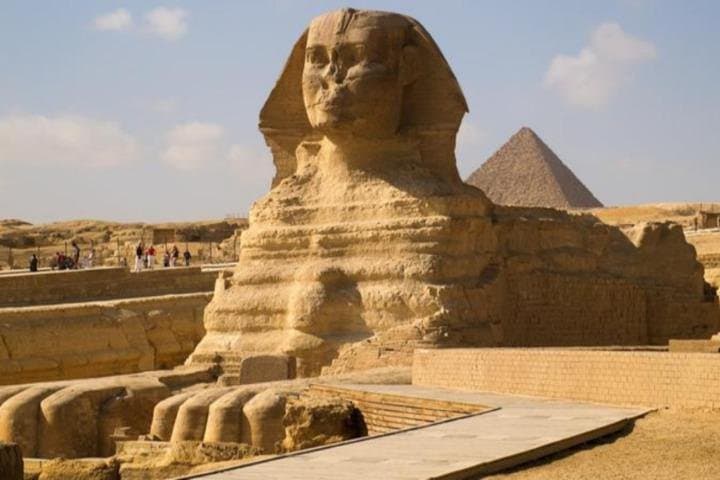
You step off the short domestic flight and the city unfurls beneath you: honking streets, limestone monuments catching the sun, and the Giza Plateau rising like an ancient stage. In two days you move from the scale of the pyramids to the intimacy of winding souks, tracing layers of history across a compact, high-energy city.
Verified experiences and guided adventures in the surrounding area.
Operated by This Is Egypt Aswan · Cairo, Cairo Governorate
You step off the short domestic flight and the city unfurls beneath you: honking streets, limestone monuments catching the sun, and the Giza Plateau rising like an ancient stage. In two days you move from the scale of the pyramids to the intimacy of winding souks, tracing layers of history across a compact, high-energy city.
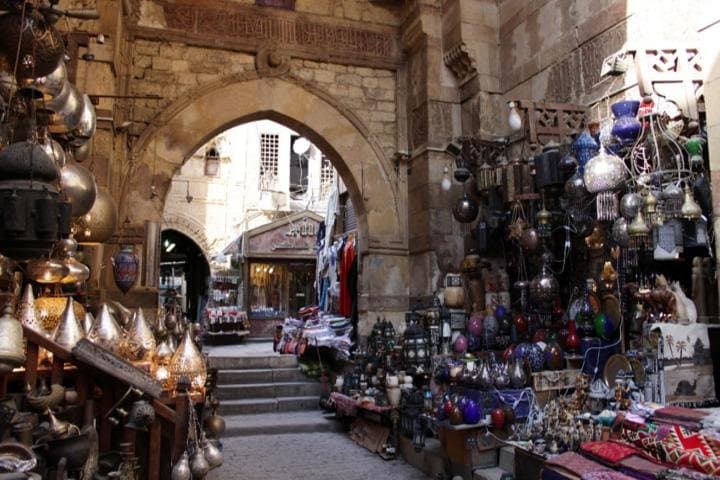
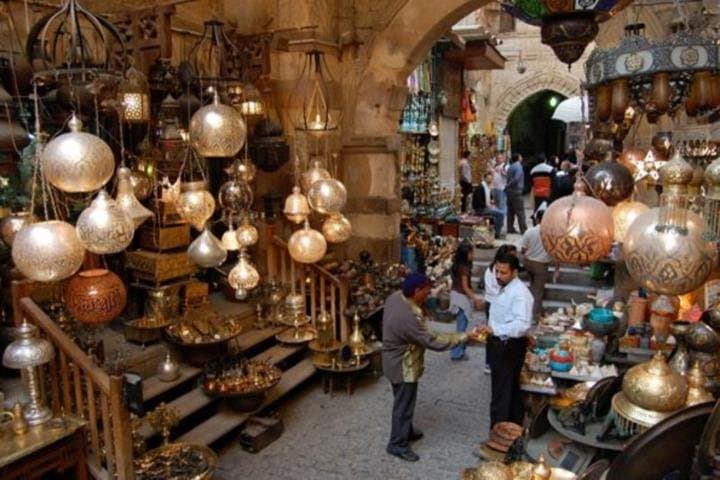
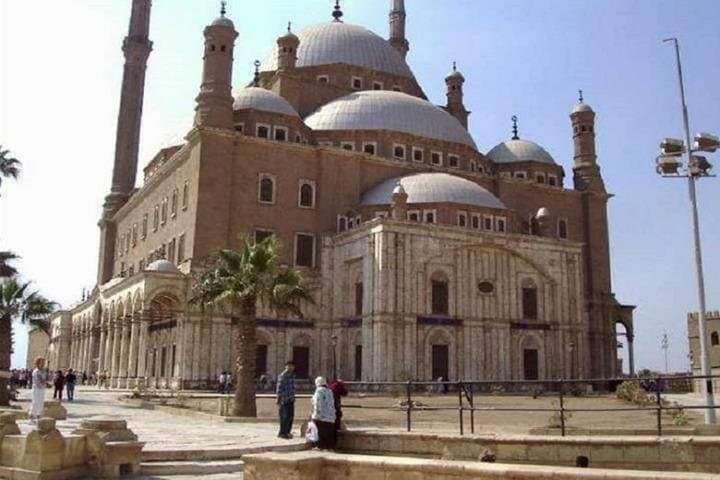
The stones here are old in measurable ways — the Great Pyramid dates to the 4th Dynasty, roughly 2560 BCE — while the Citadel and al‑Azhar districts speak to Cairo’s medieval and Ottoman chapters. Geology matters: Giza’s bedrock is Eocene limestone, quarried and shaped into monuments that have survived millennia of weather and human traffic. Culture arrives in smaller textures — the call to prayer from the Citadel, merchants demonstrating brasswork in Khan el‑Khalili, and the hush inside glass‑lined cases at the Egyptian Museum where Tutankhamun’s treasures sit behind modern conservation glass.
Expect brisk walking on uneven stone and compacted sand around the pyramids, tight alleys in Islamic Cairo, and indoor, climate‑controlled museum halls. Time your visits: sunrise or late afternoon light on the pyramids softens heat and crowds. Bring a small daypack, a refillable water bottle, and a local guide to move efficiently between sites and decode layers of meaning.
Practically: internal flights between Marsa Alam/Hurghada and Cairo are included in many packages; carry valid ID and a printed or mobile ticket. Wear sensible shoes, use sunscreen, and budget time for traffic when transferring to/from airports. Respect site rules — don’t climb monuments, and follow your guide’s directions for accessing restricted areas.
easy.
2 days.
Suitable for most travelers with basic mobility; involves several hours of walking and standing on uneven surfaces.
This itinerary includes internal flights (Hurghada/Cairo/Hurghada) as part of the package—confirm exact routing at booking.
The tour is rated easy and suitable for most fitness levels, but expect uneven surfaces and steps at historic sites; contact the operator about specific accessibility needs.
Visa rules vary by nationality—many visitors can obtain a visa on arrival or an e‑visa, but always check current requirements with your embassy before travel.
Tipping is customary for guides, drivers and service staff; carry small bills for tips and be respectful of local dress codes in religious sites.
The Giza pyramids were erected in the 4th Dynasty (c. 26th century BCE); the Citadel, founded by Salah ad‑Din in the 12th century, dominated Cairo’s skyline for centuries.
High visitor numbers strain fragile stone and museum collections—stick to marked paths, avoid touching monuments, and support licensed guides and official ticketing to fund preservation.
This Is Egypt Aswan operates guided outdoor trips and adventures with an emphasis on safety, stewardship, and memorable experiences.
You step off the short domestic flight and the city unfurls beneath you: honking streets, limestone monuments catching the sun, and the Giza Plateau rising like an ancient stage. In two days you move from the scale of the pyramids to the intimacy of winding souks, tracing layers of history across a compact, high-energy city.
You step off the short domestic flight and the city unfurls beneath you: honking streets, limestone monuments catching the sun, and the Giza Plateau rising like an ancient stage. In two days you move from the scale of the pyramids to the intimacy of winding souks, tracing layers of history across a compact, high-energy city.
The stones here are old in measurable ways — the Great Pyramid dates to the 4th Dynasty, roughly 2560 BCE — while the Citadel and al‑Azhar districts speak to Cairo’s medieval and Ottoman chapters. Geology matters: Giza’s bedrock is Eocene limestone, quarried and shaped into monuments that have survived millennia of weather and human traffic. Culture arrives in smaller textures — the call to prayer from the Citadel, merchants demonstrating brasswork in Khan el‑Khalili, and the hush inside glass‑lined cases at the Egyptian Museum where Tutankhamun’s treasures sit behind modern conservation glass.
Expect brisk walking on uneven stone and compacted sand around the pyramids, tight alleys in Islamic Cairo, and indoor, climate‑controlled museum halls. Time your visits: sunrise or late afternoon light on the pyramids softens heat and crowds. Bring a small daypack, a refillable water bottle, and a local guide to move efficiently between sites and decode layers of meaning.
Practically: internal flights between Marsa Alam/Hurghada and Cairo are included in many packages; carry valid ID and a printed or mobile ticket. Wear sensible shoes, use sunscreen, and budget time for traffic when transferring to/from airports. Respect site rules — don’t climb monuments, and follow your guide’s directions for accessing restricted areas.