THE ADVENTURE COLLECTIVE® · Independent discovery and booking for outdoor travel

Spend eight hours tracing Cairo’s layered past: Tutankhamun’s treasures at the Egyptian Museum, Salah al‑Din’s Citadel and Muhammad Ali’s mosque, then the Coptic Quarter’s ancient churches and Ben Ezra Synagogue. This guided private day tour mixes skyline views with neighborhood history—ideal for first-time visitors.
Spend eight hours tracing Cairo’s layered past: Tutankhamun’s treasures at the Egyptian Museum, Salah al‑Din’s Citadel and Muhammad Ali’s mosque, then the Coptic Quarter’s ancient churches and Ben Ezra Synagogue. This guided private day tour mixes skyline views with neighborhood history—ideal for first-time visitors.
You step out of your hotel into Tahrir’s bustle and the city pulls you forward: vendors calling, Cairo’s limestone terraces warming under the sun, and the Nile leaning close like a current that dares you to keep pace.
Verified experiences and guided adventures in the surrounding area.
Operated by ToBadaa · Cairo, Cairo
You step out of your hotel into Tahrir’s bustle and the city pulls you forward: vendors calling, Cairo’s limestone terraces warming under the sun, and the Nile leaning close like a current that dares you to keep pace.
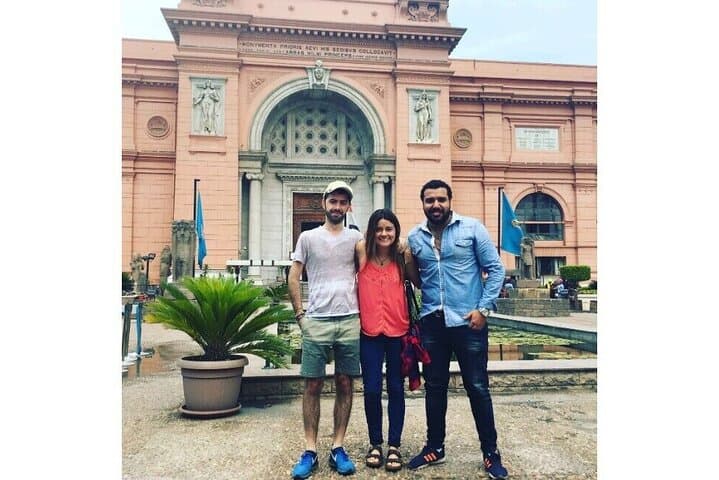
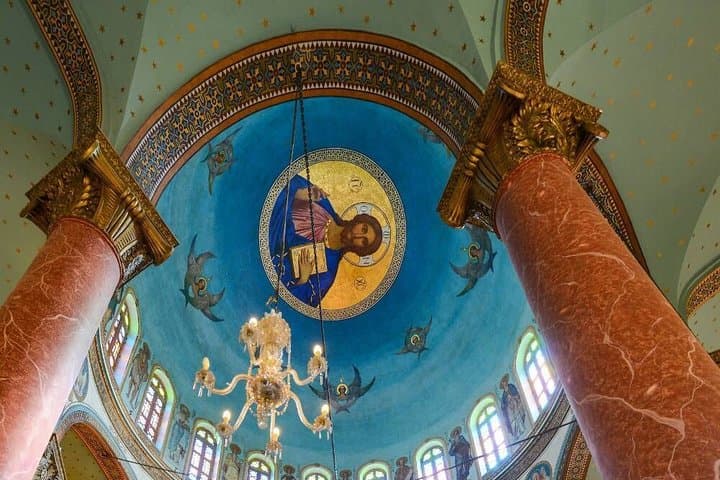
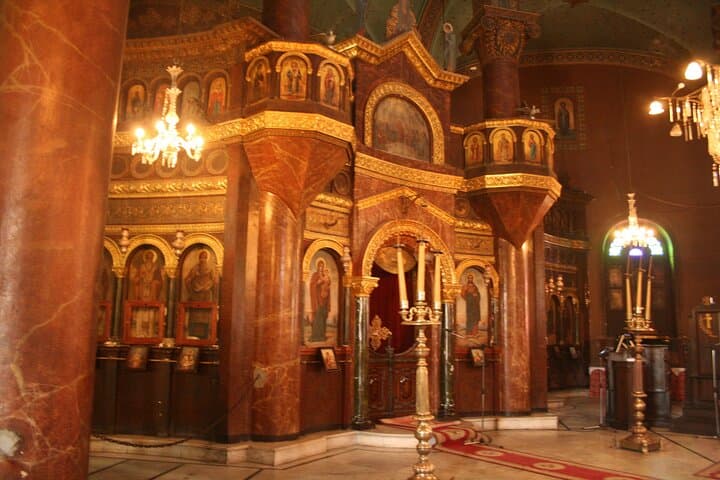
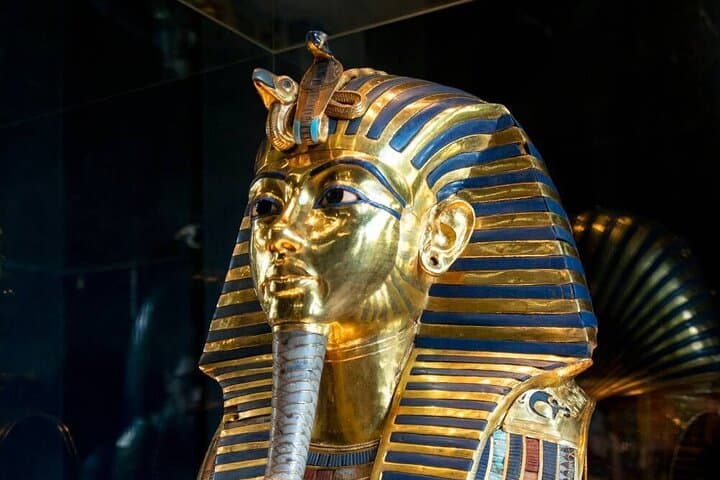
This full-day route threads three histories. The Egyptian Museum houses Tutankhamen’s gold and the careful chaos of pharaonic statuary, while the Citadel—raised by Salah al‑Din on a high limestone spine—offers sweeping views and the alabaster dome of Muhammad Ali Mosque. The Coptic Quarter folds the day into quieter lanes where the Church of St. Sergius (Abu Serga) and the Ben Ezra Synagogue mark centuries of Cairo’s Christian and Jewish presence.
Geology and city planning matter here: the Citadel sits on a defensive outcrop above the Nile floodplain; streets funnel dust and conversation into microclimates that change from square to courtyard. Guides translate architecture into story—why alabaster was chosen, how Ottoman and Fatimid layers overlap.
Practical edge: expect security checks and modest dress inside religious sites (shoulders and knees covered). Start early to avoid heat and crowds; photography is easiest in morning light at the Museum and late afternoon on the Citadel ramparts. Hydration is nonnegotiable—Cairo’s sun is relentless and the day can be eight hours long.
The tour is accessible for most fitness levels but involves walking on uneven stone and stairs. Carry a refillable bottle, a photocopy of your passport, and comfortable shoes. With a knowledgeable guide, the day balances artifacts, skyline views, and neighborhood stories—an efficient primer on Cairo’s layered identity.
easy.
8 hours.
Suitable for most travelers who can walk several miles and climb stairs; minimal exertion required.
The tour runs about eight hours and typically includes hotel pickup/drop-off, a licensed guide, transport, bottled water, and a snack.
Confirm with the operator; many tours require you to pay museum or site entrance fees separately on the day.
The itinerary is family-friendly but involves walking and stairs; accessibility is variable—check with the provider for wheelchair needs.
Conservative dress is required: cover shoulders and knees. Women may need a headscarf at some churches and mosques.
The Citadel was built in the 12th century by Salah al‑Din to protect Cairo; the Coptic Quarter preserves Christian sites dating back to late antiquity.
Visitor pressure affects fragile interiors and historic stonework—stick to paths, avoid flash photography where banned, and minimize single‑use plastics.
ToBadaa operates guided outdoor trips and adventures with an emphasis on safety, stewardship, and memorable experiences.
You step out of your hotel into Tahrir’s bustle and the city pulls you forward: vendors calling, Cairo’s limestone terraces warming under the sun, and the Nile leaning close like a current that dares you to keep pace.
You step out of your hotel into Tahrir’s bustle and the city pulls you forward: vendors calling, Cairo’s limestone terraces warming under the sun, and the Nile leaning close like a current that dares you to keep pace.
This full-day route threads three histories. The Egyptian Museum houses Tutankhamen’s gold and the careful chaos of pharaonic statuary, while the Citadel—raised by Salah al‑Din on a high limestone spine—offers sweeping views and the alabaster dome of Muhammad Ali Mosque. The Coptic Quarter folds the day into quieter lanes where the Church of St. Sergius (Abu Serga) and the Ben Ezra Synagogue mark centuries of Cairo’s Christian and Jewish presence.
Geology and city planning matter here: the Citadel sits on a defensive outcrop above the Nile floodplain; streets funnel dust and conversation into microclimates that change from square to courtyard. Guides translate architecture into story—why alabaster was chosen, how Ottoman and Fatimid layers overlap.
Practical edge: expect security checks and modest dress inside religious sites (shoulders and knees covered). Start early to avoid heat and crowds; photography is easiest in morning light at the Museum and late afternoon on the Citadel ramparts. Hydration is nonnegotiable—Cairo’s sun is relentless and the day can be eight hours long.
The tour is accessible for most fitness levels but involves walking on uneven stone and stairs. Carry a refillable bottle, a photocopy of your passport, and comfortable shoes. With a knowledgeable guide, the day balances artifacts, skyline views, and neighborhood stories—an efficient primer on Cairo’s layered identity.