THE ADVENTURE COLLECTIVE® · Independent discovery and booking for outdoor travel

Explore Cairo’s historical spine on a combined visit to the Saladin Citadel and the lively Khan El-Khalili bazaar. This guided 4–5 hour walk pairs sweeping city views and Ottoman architecture with the colors, scents, and sounds of one of the Middle East’s oldest marketplaces.
Explore Cairo’s historical spine on a combined visit to the Saladin Citadel and the lively Khan El-Khalili bazaar. This guided 4–5 hour walk pairs sweeping city views and Ottoman architecture with the colors, scents, and sounds of one of the Middle East’s oldest marketplaces.
The tour opens on a wind-swept terrace above Cairo where the city’s layers spread toward the Nile—flat roofs, minarets, and the slow ribbon of traffic below. Visitors stand before the pale domes and slender minarets of the Mosque of Muhammad Ali, the stone and mortar of the Citadel giving way to the bustling alleys of Khan El-Khalili where spice and metalwork mingle in the air.
Verified experiences and guided adventures in the surrounding area.
Operated by Golden Destination · Cairo, Cairo Governorate
The tour opens on a wind-swept terrace above Cairo where the city’s layers spread toward the Nile—flat roofs, minarets, and the slow ribbon of traffic below. Visitors stand before the pale domes and slender minarets of the Mosque of Muhammad Ali, the stone and mortar of the Citadel giving way to the bustling alleys of Khan El-Khalili where spice and metalwork mingle in the air.
Built by Salah ad-Din in the 12th century as a defensive stronghold, the Citadel sits on a limestone spur that commanded medieval Cairo; the mosque inside the complex dates to the 19th century and reflects Ottoman ambition more than Fatimid ornament. Geology here is simple—urban bedrock of the Mokattam Hills underlies the citadel’s ramparts—while culture is layered: Mamluk courtyards, Ottoman domes, and contemporary street life converge.
Expect two parts: structured history and loose-market exploration. The Citadel segment is interpretive—towers, corridors, and panoramic viewpoints—followed by a guided walk into Khan El-Khalili’s market where bargaining, small workshops, and historic cafés set the rhythm.
Practical guidance: schedule the visit for morning or late afternoon to avoid mid-day heat, wear closed-toe shoes for uneven steps and cobbles, and dress modestly for mosque interiors (you may be asked to cover shoulders or remove shoes). Carry small bills for purchases and tips, hydrate often, and keep valuables secure while in crowded lanes. The tour is accessible to most walkers and provides a concentrated, three-to-five-hour introduction to Cairo’s historic heart.
easy.
4–5 hours.
Suitable for most fitness levels; requires walking on cobbles and climbing several sets of steps.
Tours commonly include entrance fees; check your booking confirmation for admissions—some operators bundle them, others collect on-site.
Yes—many areas are stroller-accessible, but expect stairs and some uneven surfaces; infants may need to be carried at times.
Modest dress is required; women should bring a scarf as some mosques ask for hair covering and you may be asked to remove shoes in certain areas.
Haggling is customary; start lower than your target price, be polite, and expect friendly negotiation particularly at shops selling souvenirs and crafts.
The Citadel was constructed by Salah ad-Din in the late 12th century as a defensive fortress; Muhammad Ali’s mosque inside was built in the 19th century and reflects Ottoman architectural influence.
Historic structures face pressure from urban pollution and visitor wear—respect barriers, follow guide instructions, and avoid touching delicate surfaces to help preservation.
Golden Destination operates guided outdoor trips and adventures with an emphasis on safety, stewardship, and memorable experiences.
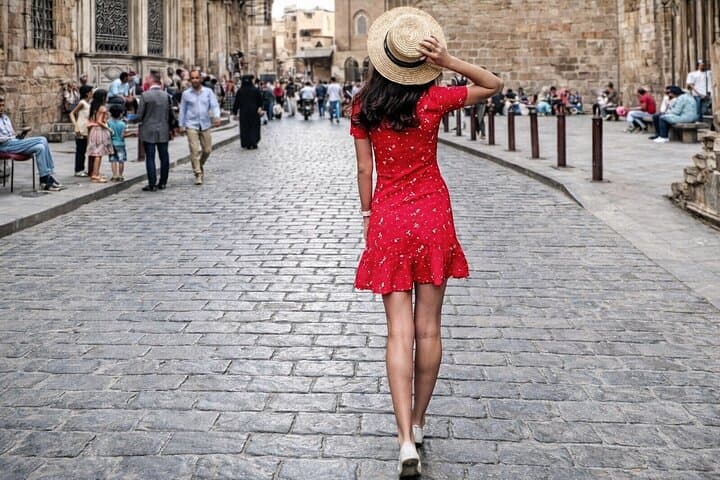
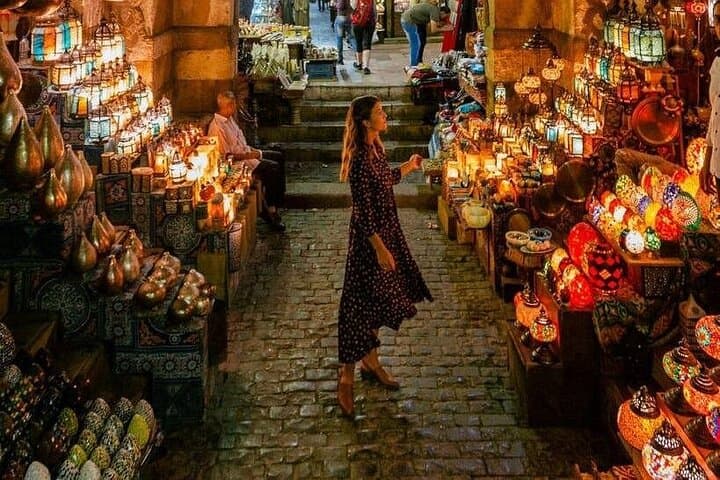
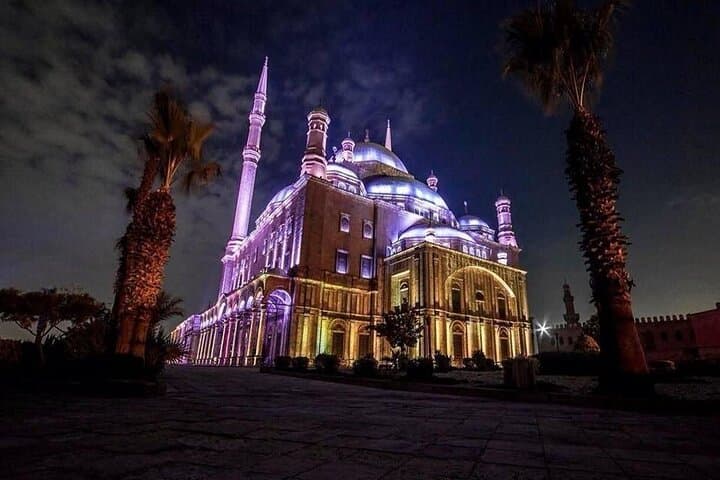
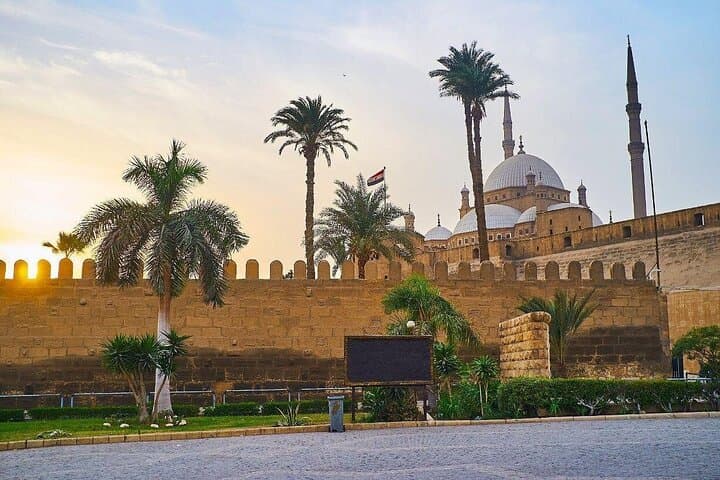
The tour opens on a wind-swept terrace above Cairo where the city’s layers spread toward the Nile—flat roofs, minarets, and the slow ribbon of traffic below. Visitors stand before the pale domes and slender minarets of the Mosque of Muhammad Ali, the stone and mortar of the Citadel giving way to the bustling alleys of Khan El-Khalili where spice and metalwork mingle in the air.
The tour opens on a wind-swept terrace above Cairo where the city’s layers spread toward the Nile—flat roofs, minarets, and the slow ribbon of traffic below. Visitors stand before the pale domes and slender minarets of the Mosque of Muhammad Ali, the stone and mortar of the Citadel giving way to the bustling alleys of Khan El-Khalili where spice and metalwork mingle in the air.
Built by Salah ad-Din in the 12th century as a defensive stronghold, the Citadel sits on a limestone spur that commanded medieval Cairo; the mosque inside the complex dates to the 19th century and reflects Ottoman ambition more than Fatimid ornament. Geology here is simple—urban bedrock of the Mokattam Hills underlies the citadel’s ramparts—while culture is layered: Mamluk courtyards, Ottoman domes, and contemporary street life converge.
Expect two parts: structured history and loose-market exploration. The Citadel segment is interpretive—towers, corridors, and panoramic viewpoints—followed by a guided walk into Khan El-Khalili’s market where bargaining, small workshops, and historic cafés set the rhythm.
Practical guidance: schedule the visit for morning or late afternoon to avoid mid-day heat, wear closed-toe shoes for uneven steps and cobbles, and dress modestly for mosque interiors (you may be asked to cover shoulders or remove shoes). Carry small bills for purchases and tips, hydrate often, and keep valuables secure while in crowded lanes. The tour is accessible to most walkers and provides a concentrated, three-to-five-hour introduction to Cairo’s historic heart.