THE ADVENTURE COLLECTIVE® · Independent discovery and booking for outdoor travel

Spend a full day exploring the Giza Plateau: an early camel ride among the pyramids, a close view of the Great Sphinx, and a curated visit to the Egyptian Museum in Cairo. Practical tips on timing, gear, and mobility help you plan a seamless cultural‑outdoor experience.
Spend a full day exploring the Giza Plateau: an early camel ride among the pyramids, a close view of the Great Sphinx, and a curated visit to the Egyptian Museum in Cairo. Practical tips on timing, gear, and mobility help you plan a seamless cultural‑outdoor experience.
You step from the air‑conditioned van into a sweep of sun and sand; the desert wind rearranges footprints around a silhouette that has watched the Nile valley for 4,500 years. The three great pyramids—Khufu, Khafre and Menkaure—rise from the plateau like carved weathered geometry, while camels shift and breathe, ready to carry you along the ancient margins of Pharaohs' work.
Verified experiences and guided adventures in the surrounding area.
Operated by This Is Egypt · Giza, Giza Governorate
You step from the air‑conditioned van into a sweep of sun and sand; the desert wind rearranges footprints around a silhouette that has watched the Nile valley for 4,500 years. The three great pyramids—Khufu, Khafre and Menkaure—rise from the plateau like carved weathered geometry, while camels shift and breathe, ready to carry you along the ancient margins of Pharaohs' work.
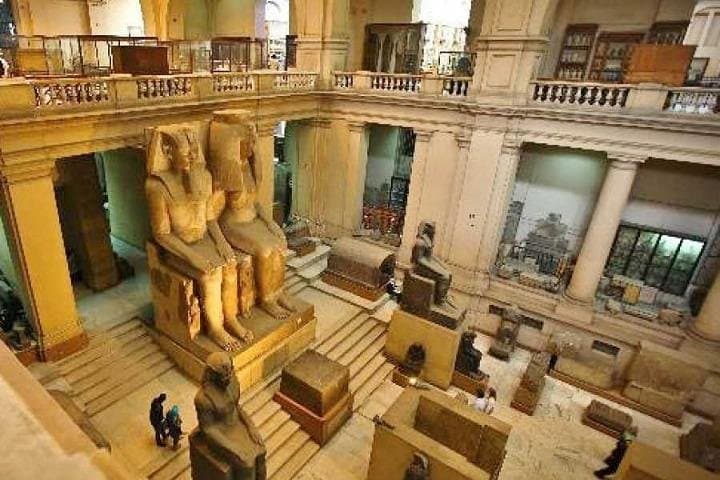
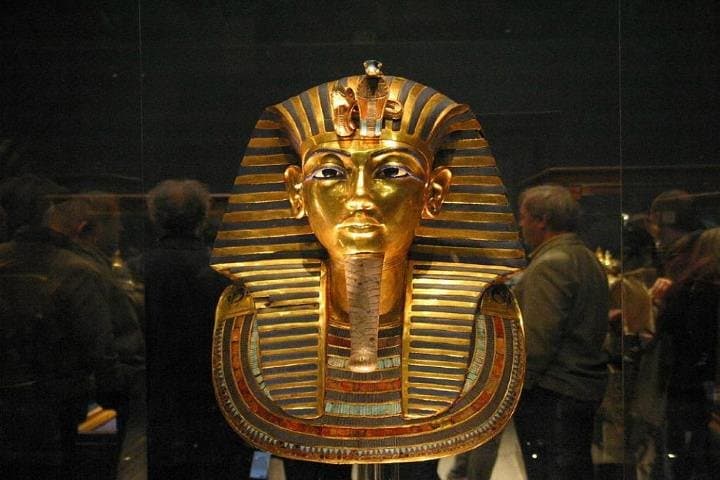
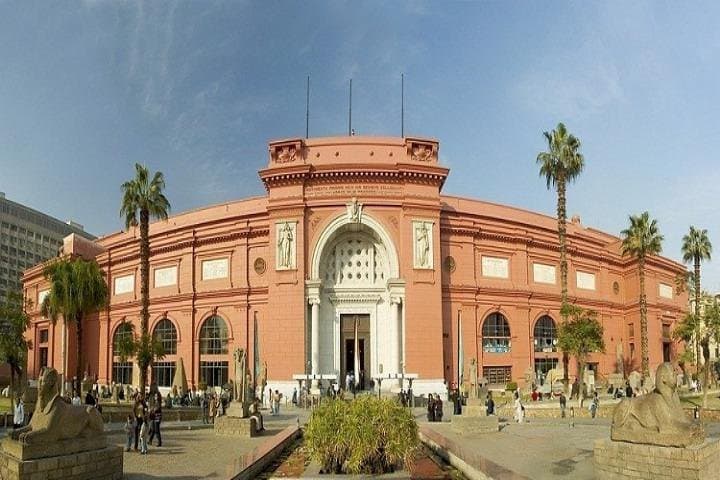
The plateau holds layers of history: the pyramids (c. 26th century BCE) engineered from limestone blocks, the enigmatic Great Sphinx guarding the causeway to the Valley Temple, and the nearby Egyptian Museum in Tahrir, home to the Tutankhamun treasure and hundreds of thousands of Pharaonic artifacts. Geology here is simple and brutal—sand over limestone—so sightlines are long, light is harsh, and the landscape rewards early morning or late afternoon visits.
Culturally, expect a working tourism economy: licensed guides, local vendors, and camel handlers who set the rhythm. The day tour typically includes hotel pickup, a 20–30 minute camel ride around the pyramids, time at the Sphinx and Valley Temple, and a 2‑hour visit to the Egyptian Museum, plus lunch and bottled water.
Practical guidance: go early to avoid heat and crowds, wear sturdy closed shoes for uneven sand and stone, and bring sun protection and cash for tips. Photography is allowed in most areas but check for museum rules on flash and restricted rooms. If mobility is limited, note that while transfers are accessible, the plateau itself is uneven; ask your operator about alternate viewpoints. With straightforward planning you’ll pair monumental archaeology with a tactile desert experience—ancient stones under open sky and a camel’s steady, literal forward motion.
easy.
8 hours.
Suitable for most fitness levels; requires short walks on sand and steps in museum; be prepared for standing and uneven terrain.
Handlers provide short training and assist mounting; rides are typically gentle (20–30 minutes) but expect movement and uneven footing—children and people with back/neck issues should consult the operator.
This tour description states entrance fees to the mentioned sites are included; confirm at booking for any optional exhibits (e.g., inside the Great Pyramid) that may cost extra.
Photography is generally allowed in public halls but flash and photography in certain rooms or for specific artifacts may be restricted; follow museum signage and staff instructions.
Transfers are wheelchair accessible, but the Giza Plateau has uneven sand and stone which can be difficult for wheelchair users—check with the operator about alternative viewing points and assistance.
The pyramids at Giza were constructed in Egypt's Old Kingdom around 2600–2500 BCE as monumental tombs for pharaohs; the Sphinx is commonly associated with Khafre's complex.
High visitor numbers stress the fragile sandstone and surrounding environment—stay on designated paths, avoid touching decorated surfaces, and support sites that follow responsible tourism practices.
This Is Egypt operates guided outdoor trips and adventures with an emphasis on safety, stewardship, and memorable experiences.
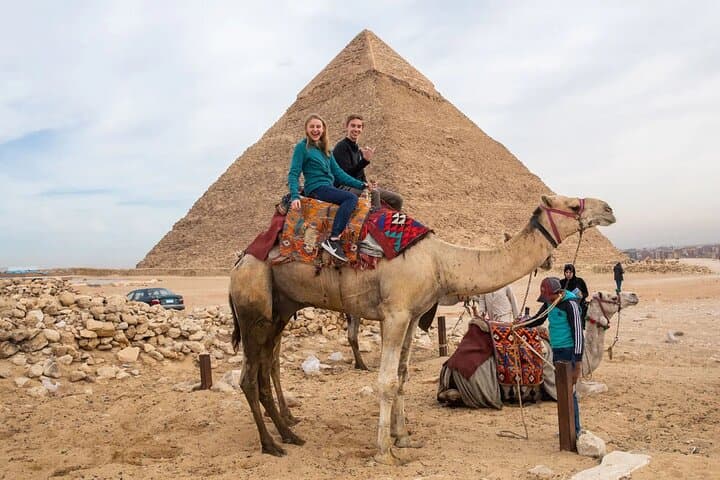
You step from the air‑conditioned van into a sweep of sun and sand; the desert wind rearranges footprints around a silhouette that has watched the Nile valley for 4,500 years. The three great pyramids—Khufu, Khafre and Menkaure—rise from the plateau like carved weathered geometry, while camels shift and breathe, ready to carry you along the ancient margins of Pharaohs' work.
You step from the air‑conditioned van into a sweep of sun and sand; the desert wind rearranges footprints around a silhouette that has watched the Nile valley for 4,500 years. The three great pyramids—Khufu, Khafre and Menkaure—rise from the plateau like carved weathered geometry, while camels shift and breathe, ready to carry you along the ancient margins of Pharaohs' work.
The plateau holds layers of history: the pyramids (c. 26th century BCE) engineered from limestone blocks, the enigmatic Great Sphinx guarding the causeway to the Valley Temple, and the nearby Egyptian Museum in Tahrir, home to the Tutankhamun treasure and hundreds of thousands of Pharaonic artifacts. Geology here is simple and brutal—sand over limestone—so sightlines are long, light is harsh, and the landscape rewards early morning or late afternoon visits.
Culturally, expect a working tourism economy: licensed guides, local vendors, and camel handlers who set the rhythm. The day tour typically includes hotel pickup, a 20–30 minute camel ride around the pyramids, time at the Sphinx and Valley Temple, and a 2‑hour visit to the Egyptian Museum, plus lunch and bottled water.
Practical guidance: go early to avoid heat and crowds, wear sturdy closed shoes for uneven sand and stone, and bring sun protection and cash for tips. Photography is allowed in most areas but check for museum rules on flash and restricted rooms. If mobility is limited, note that while transfers are accessible, the plateau itself is uneven; ask your operator about alternate viewpoints. With straightforward planning you’ll pair monumental archaeology with a tactile desert experience—ancient stones under open sky and a camel’s steady, literal forward motion.