THE ADVENTURE COLLECTIVE® · Independent discovery and booking for outdoor travel

Spend a half‑day moving from the Egyptian Museum’s troves of pharaonic artifacts to the tight alleys of Khan el‑Khalili bazaar. This guided option pairs history and market culture with practical tips for timing, dress, and payments.
Spend a half‑day moving from the Egyptian Museum’s troves of pharaonic artifacts to the tight alleys of Khan el‑Khalili bazaar. This guided option pairs history and market culture with practical tips for timing, dress, and payments.
You step out of an air‑conditioned van into Tahrir’s pulse: car horns, merchants calling, and the stone-cool façade of the Egyptian Museum looming above the square.
Verified experiences and guided adventures in the surrounding area.
Operated by Egypt Excursions Online · Cairo, Cairo
You step out of an air‑conditioned van into Tahrir’s pulse: car horns, merchants calling, and the stone-cool façade of the Egyptian Museum looming above the square.
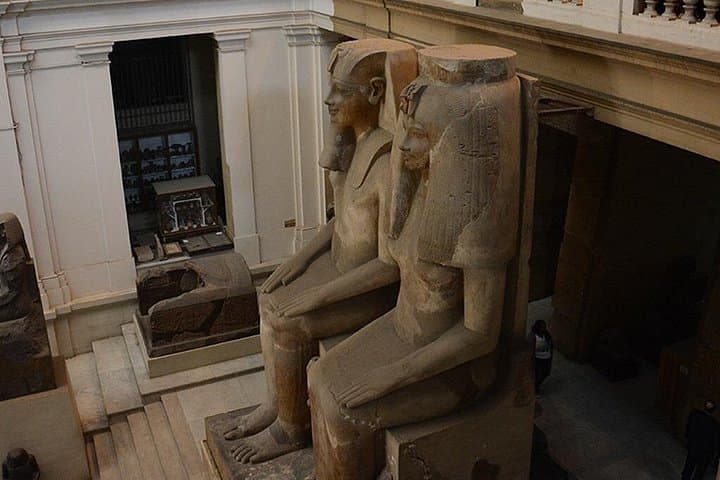
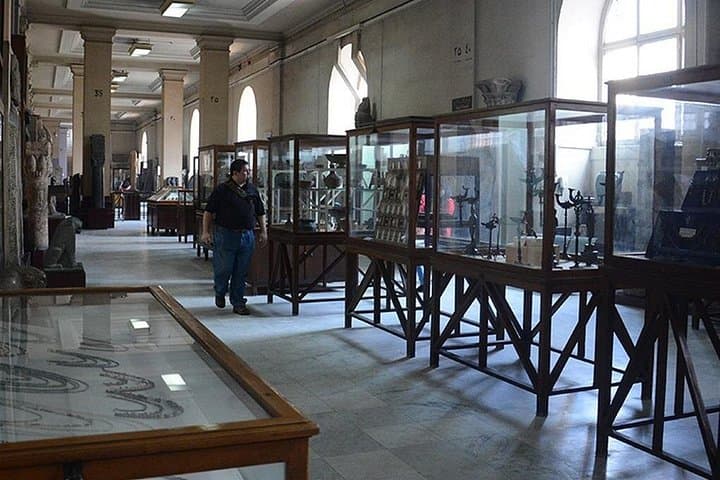
Inside, sunlight slides across cases of gold and carved stone; statues and coffins keep their slow, patient watch. Later the alleys of Khan el‑Khalili press close—narrow lanes where metalwork glints, spices scent the air, and bargaining is part of the rhythm.
The route threads modern Cairo with ancient objects. The museum collects Pharaonic treasures from the Nile floodplain and the limestone and sandstone monuments of Giza; Khan el‑Khalili dates back to the Mamluk era and grew as a commercial quarter around caravan routes. Cultural layers are visible in architecture, vendor craft, and food—the city’s long history shaped by the river and trade.
Expect a predominantly urban walking day with short transfers; the included Egyptologist guide explains artifact provenance and market customs. Practicalities matter: hydration in summer, modest dress for respect at crowded public spaces, and cash for small purchases and haggling.
Timing your visit early in the day reduces crowds in the museum and gives cooler market browsing. Allow four to five hours for the full experience with optional entrance tickets or lunch added depending on your booking. Keep valuables secure in congested areas and follow your guide’s directions when navigating busy streets; the city’s energy is part of the adventure, but practical preparation makes it gratifying.
easy.
4–5 hours.
Suitable for most fitness levels; requires standing and walking on uneven surfaces for several hours.
Some booking options include Egyptian Museum and Giza complex tickets; check your chosen option before arrival and bring ID for ticketed entry.
Yes—this tour offers hotel pickup and drop‑off by air‑conditioned vehicle within central Cairo zones; confirm pickup point at booking.
Expect several hours of walking with stops: around 2 hours inside the museum and up to an hour roaming the bazaar, plus short transfers between sites.
The tour is broadly suitable for all ages; notify the operator of mobility needs so guides can adapt pacing or routes.
The Egyptian Museum in Tahrir conserves Pharaonic, Greco‑Roman, and Coptic artifacts; Khan el‑Khalili grew from a 14th‑century Mamluk trading quarter that expanded along Cairo’s historic trade routes.
Tour operators encourage minimal physical contact with artifacts and support local businesses; travelers can reduce impact by choosing reputable guides and avoiding single‑use plastics.
Egypt Excursions Online operates guided outdoor trips and adventures with an emphasis on safety, stewardship, and memorable experiences.
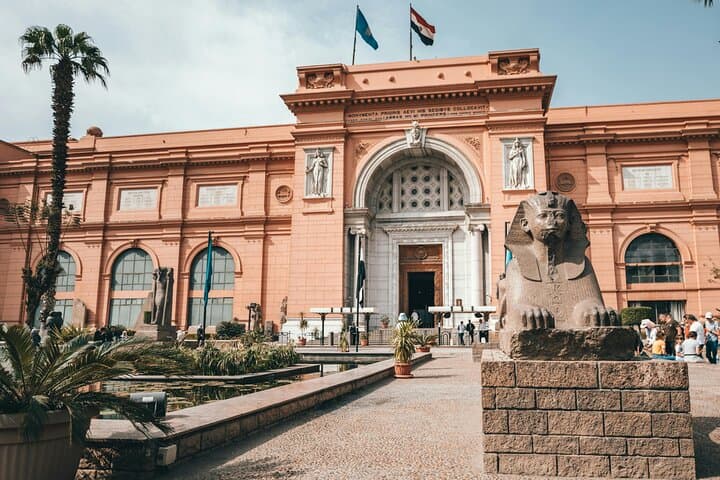
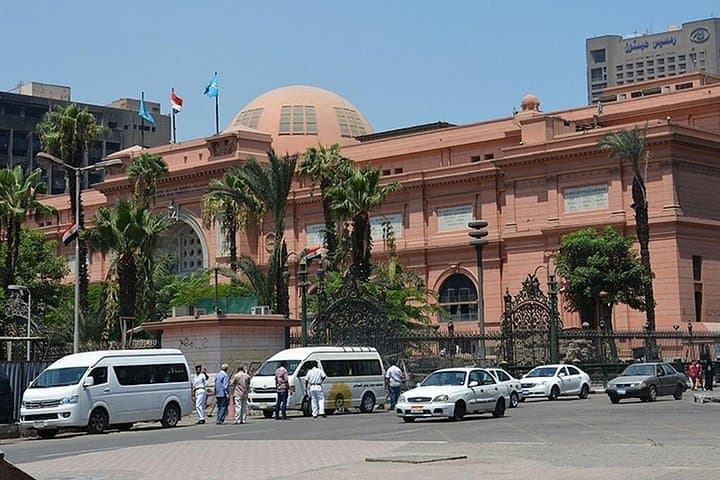
You step out of an air‑conditioned van into Tahrir’s pulse: car horns, merchants calling, and the stone-cool façade of the Egyptian Museum looming above the square.
You step out of an air‑conditioned van into Tahrir’s pulse: car horns, merchants calling, and the stone-cool façade of the Egyptian Museum looming above the square.
Inside, sunlight slides across cases of gold and carved stone; statues and coffins keep their slow, patient watch. Later the alleys of Khan el‑Khalili press close—narrow lanes where metalwork glints, spices scent the air, and bargaining is part of the rhythm.
The route threads modern Cairo with ancient objects. The museum collects Pharaonic treasures from the Nile floodplain and the limestone and sandstone monuments of Giza; Khan el‑Khalili dates back to the Mamluk era and grew as a commercial quarter around caravan routes. Cultural layers are visible in architecture, vendor craft, and food—the city’s long history shaped by the river and trade.
Expect a predominantly urban walking day with short transfers; the included Egyptologist guide explains artifact provenance and market customs. Practicalities matter: hydration in summer, modest dress for respect at crowded public spaces, and cash for small purchases and haggling.
Timing your visit early in the day reduces crowds in the museum and gives cooler market browsing. Allow four to five hours for the full experience with optional entrance tickets or lunch added depending on your booking. Keep valuables secure in congested areas and follow your guide’s directions when navigating busy streets; the city’s energy is part of the adventure, but practical preparation makes it gratifying.