THE ADVENTURE COLLECTIVE® · Independent discovery and booking for outdoor travel

Spend a carefully paced day moving from the wind-swept Giza Plateau—where the Great Pyramid and Sphinx dominate the horizon—to the Egyptian Museum’s troves of pharaonic treasures. This private, eight-hour tour pairs big-picture history with clear, practical logistics to make one of Egypt’s most iconic days achievable in a single visit.
Spend a carefully paced day moving from the wind-swept Giza Plateau—where the Great Pyramid and Sphinx dominate the horizon—to the Egyptian Museum’s troves of pharaonic treasures. This private, eight-hour tour pairs big-picture history with clear, practical logistics to make one of Egypt’s most iconic days achievable in a single visit.
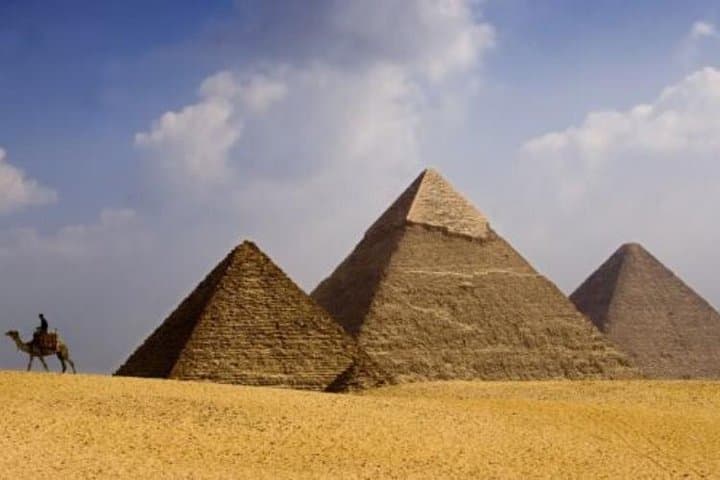
You step from the air-conditioned van into a ribbon of sun and sand; the skyline of Cairo narrows and the pyramids rise like patient rulers over the plain. Wind moves across the Giza Plateau, nudging grains across ancient stones as the Sphinx watches travelers inspect its weathered face.
Verified experiences and guided adventures in the surrounding area.
Operated by Egypt Wonderful Tours · Cairo, Cairo Governorate
You step from the air-conditioned van into a ribbon of sun and sand; the skyline of Cairo narrows and the pyramids rise like patient rulers over the plain. Wind moves across the Giza Plateau, nudging grains across ancient stones as the Sphinx watches travelers inspect its weathered face.
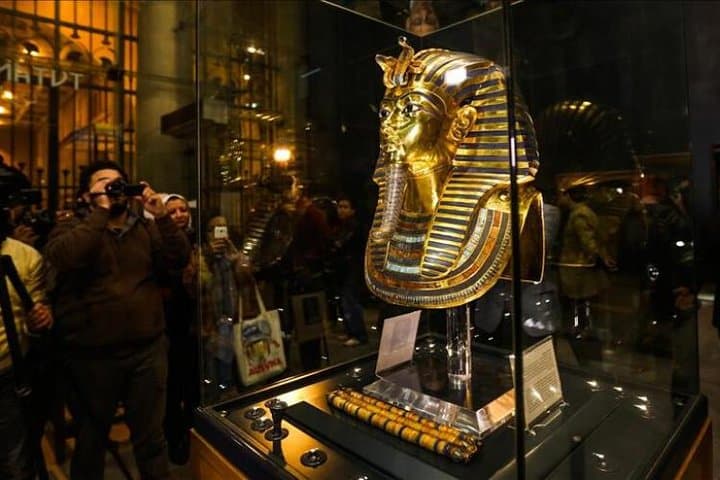
Geology has stacked this landscape—Tura limestone capping older core blocks—so the pyramids present both human engineering and raw, local stone. History announces itself at every turn: the Great Pyramid of Khufu, the only surviving Wonder of the Ancient World; Khafre’s shadowed angle; Menkaure’s more modest scale. Back in central Cairo, the Egyptian Museum houses over 250,000 artifacts, from Tutankhamen’s gilded mask to the Royal Mummy Room (available with an additional ticket), each object a direct line to pharaonic life and death.
Culture here is immediate—the guide’s cadence, bargaining at nearby stalls, and the steady traffic between the city and the desert. Conservation efforts balance tourism with preservation; photography rules and restricted access protect fragile sites.
Practical guidance: this is a full, private eight-hour day—expect walking on uneven stone and sandy ground, plus museum stairs. Bring sun protection, comfortable closed shoes, and a light layer for air-conditioned museum halls. Hydrate: bottled water is usually provided. Timing matters—early morning or late afternoon reduces heat and crowds. Carry local currency for tipping, optional mummy-room tickets, and small purchases. With planning, this day trip condenses Egypt’s largest monuments and its most famous artifacts into a single, efficient experience that’s both visceral and instructive.
easy.
8 hours.
Suitable for most fitness levels—requires walking on uneven terrain and standing for museum viewing.
This private tour runs about eight hours and covers the Giza Plateau (Great Pyramid, Khafre, Menkaure, and the Sphinx) plus the Egyptian Museum in Cairo.
Admission to listed sites is included; lunch and bottled water are stated as provided in the tour inclusions—but optional tickets (e.g., Royal Mummy Room) may require extra payment onsite.
The itinerary is described as suitable for all fitness levels, but the plateau has uneven surfaces and stairs in the museum—notify the operator about mobility needs beforehand.
Yes—the Egyptian Museum often sells an additional ticket for the Royal Mummy Room at the site; check current availability and rules before your visit.
The Giza pyramids date to the Fourth Dynasty (c. 2600–2500 BCE) and are funerary monuments built from local limestone and imported materials; the Egyptian Museum catalogs artifacts spanning millennia of pharaonic rule.
Heavy visitation stresses fragile masonry and artifacts, so authorities enforce route controls, restricted access to sensitive areas, and conservation efforts to manage erosion and preservation.
Egypt Wonderful Tours operates guided outdoor trips and adventures with an emphasis on safety, stewardship, and memorable experiences.

You step from the air-conditioned van into a ribbon of sun and sand; the skyline of Cairo narrows and the pyramids rise like patient rulers over the plain. Wind moves across the Giza Plateau, nudging grains across ancient stones as the Sphinx watches travelers inspect its weathered face.
You step from the air-conditioned van into a ribbon of sun and sand; the skyline of Cairo narrows and the pyramids rise like patient rulers over the plain. Wind moves across the Giza Plateau, nudging grains across ancient stones as the Sphinx watches travelers inspect its weathered face.
Geology has stacked this landscape—Tura limestone capping older core blocks—so the pyramids present both human engineering and raw, local stone. History announces itself at every turn: the Great Pyramid of Khufu, the only surviving Wonder of the Ancient World; Khafre’s shadowed angle; Menkaure’s more modest scale. Back in central Cairo, the Egyptian Museum houses over 250,000 artifacts, from Tutankhamen’s gilded mask to the Royal Mummy Room (available with an additional ticket), each object a direct line to pharaonic life and death.
Culture here is immediate—the guide’s cadence, bargaining at nearby stalls, and the steady traffic between the city and the desert. Conservation efforts balance tourism with preservation; photography rules and restricted access protect fragile sites.
Practical guidance: this is a full, private eight-hour day—expect walking on uneven stone and sandy ground, plus museum stairs. Bring sun protection, comfortable closed shoes, and a light layer for air-conditioned museum halls. Hydrate: bottled water is usually provided. Timing matters—early morning or late afternoon reduces heat and crowds. Carry local currency for tipping, optional mummy-room tickets, and small purchases. With planning, this day trip condenses Egypt’s largest monuments and its most famous artifacts into a single, efficient experience that’s both visceral and instructive.