THE ADVENTURE COLLECTIVE® · Independent discovery and booking for outdoor travel

Make a day of it: a private Egyptologist-led transfer from Hurghada brings you to Cairo’s Egyptian Museum, the Giza Pyramids and the Sphinx. Expect a long but richly packed itinerary—bring sun protection, your passport, and patience for the drive.
Make a day of it: a private Egyptologist-led transfer from Hurghada brings you to Cairo’s Egyptian Museum, the Giza Pyramids and the Sphinx. Expect a long but richly packed itinerary—bring sun protection, your passport, and patience for the drive.
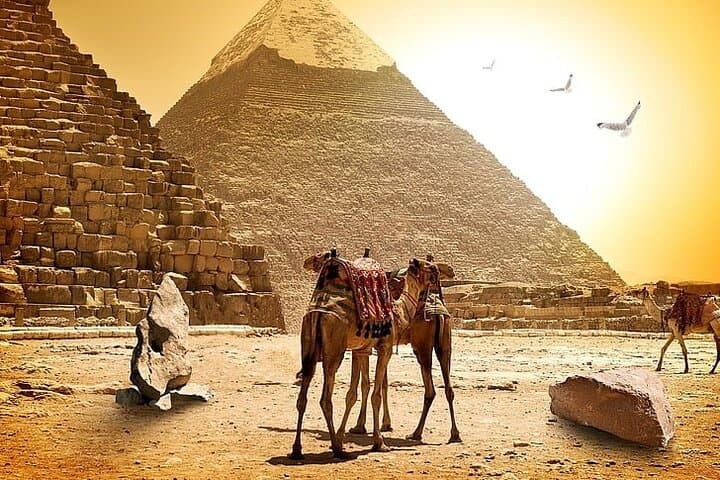
You step into the car before dawn, the Red Sea coast shrinking behind you as the highway unfurls across the desert and the sun climbs, pushing you toward the city that built civilization. By midmorning the limestone faces of the Giza Plateau rise on the horizon: massive, geometrical, and quietly assertive. The Great Pyramid’s stones hold the weathered warmth of thousands of years; the Sphinx peers out with that slow, inscrutable gaze.
Verified experiences and guided adventures in the surrounding area.
Operated by Delight Trips · Cairo, Cairo Governorate
You step into the car before dawn, the Red Sea coast shrinking behind you as the highway unfurls across the desert and the sun climbs, pushing you toward the city that built civilization. By midmorning the limestone faces of the Giza Plateau rise on the horizon: massive, geometrical, and quietly assertive. The Great Pyramid’s stones hold the weathered warmth of thousands of years; the Sphinx peers out with that slow, inscrutable gaze.
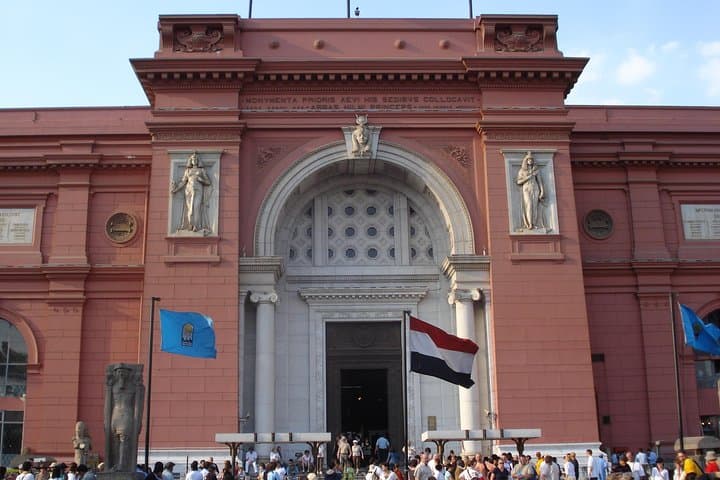
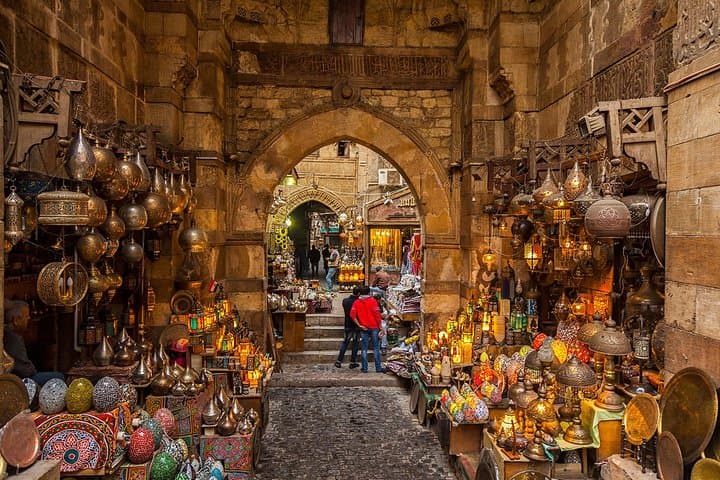
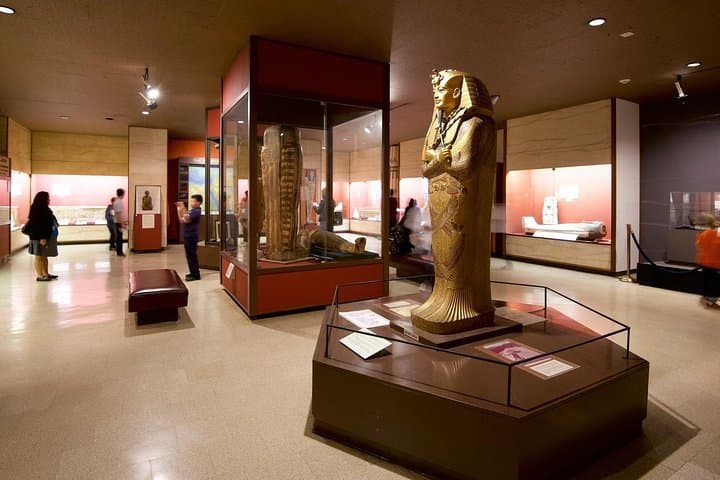
This is a day stitched between extremes — a modern air-conditioned transfer from Hurghada and time-worn monuments at the heart of pharaonic Egypt. In Cairo, the Egyptian Museum houses Tutankhamun’s funerary mask and fragile reliefs; each case is a compact lesson in craftsmanship, politics and ritual. Geologically, the plateau’s bedrock is Eocene limestone, quarried and set by ancient engineers who aligned massive blocks with the cardinal points. Culturally, Cairo layers Islamic and Coptic neighborhoods with pharaonic memory, and a quick stop at a papyrus workshop connects ink and reed to the Nile’s long life.
Practical edge: this is a long day — expect 18–20 hours total including round-trip driving (roughly 5–6 hours each way depending on traffic). Bring your passport for museum entry, sun protection, a refillable water bottle, and shoes that handle sand and paved surfaces. Lunch at a local restaurant breaks the day; use that time to rest before exploring the plateau’s walkable expanses. Travel light, protect electronics from dust, and plan for an early night after a day that moves fast between one of history’s greatest constructions and the living city that surrounds it.
easy.
18–20 hours.
Suitable for anyone with basic mobility; long periods in a vehicle and time on your feet at sites require moderate stamina
The drive typically takes about 5–6 hours each way depending on traffic and road conditions, which is why the full day can run 18–20 hours.
Admission is usually not included—confirm with your operator and have cash or card ready; some private tours can arrange admissions on request.
No technical difficulty—most walking is on flat or gently uneven ground, but you’ll be on your feet for short stretches and should be comfortable walking in heat and sand.
This is a private tour, so you can usually customize time at sites and add or skip stops like a Nile boat trip or extra shopping time—confirm with the guide in advance.
The Giza Plateau holds pyramids from Egypt’s Old Kingdom (c. 2600–2500 BCE); the Egyptian Museum preserves thousands of artifacts, including Tutankhamun’s funerary items.
Tour operators and guides encourage staying on marked paths, avoiding touching ancient stonework, and supporting local conservation efforts by using licensed guides and respecting site rules.
Delight Trips operates guided outdoor trips and adventures with an emphasis on safety, stewardship, and memorable experiences.
You step into the car before dawn, the Red Sea coast shrinking behind you as the highway unfurls across the desert and the sun climbs, pushing you toward the city that built civilization. By midmorning the limestone faces of the Giza Plateau rise on the horizon: massive, geometrical, and quietly assertive. The Great Pyramid’s stones hold the weathered warmth of thousands of years; the Sphinx peers out with that slow, inscrutable gaze.
You step into the car before dawn, the Red Sea coast shrinking behind you as the highway unfurls across the desert and the sun climbs, pushing you toward the city that built civilization. By midmorning the limestone faces of the Giza Plateau rise on the horizon: massive, geometrical, and quietly assertive. The Great Pyramid’s stones hold the weathered warmth of thousands of years; the Sphinx peers out with that slow, inscrutable gaze.
This is a day stitched between extremes — a modern air-conditioned transfer from Hurghada and time-worn monuments at the heart of pharaonic Egypt. In Cairo, the Egyptian Museum houses Tutankhamun’s funerary mask and fragile reliefs; each case is a compact lesson in craftsmanship, politics and ritual. Geologically, the plateau’s bedrock is Eocene limestone, quarried and set by ancient engineers who aligned massive blocks with the cardinal points. Culturally, Cairo layers Islamic and Coptic neighborhoods with pharaonic memory, and a quick stop at a papyrus workshop connects ink and reed to the Nile’s long life.
Practical edge: this is a long day — expect 18–20 hours total including round-trip driving (roughly 5–6 hours each way depending on traffic). Bring your passport for museum entry, sun protection, a refillable water bottle, and shoes that handle sand and paved surfaces. Lunch at a local restaurant breaks the day; use that time to rest before exploring the plateau’s walkable expanses. Travel light, protect electronics from dust, and plan for an early night after a day that moves fast between one of history’s greatest constructions and the living city that surrounds it.