THE ADVENTURE COLLECTIVE® · Independent discovery and booking for outdoor travel

This full-day coach trip from Hurghada brings you to the Giza Plateau and the Egyptian Museum in Cairo. Long transit but high payoff: pyramids, Sphinx, a Nile glimpse, and museum highlights in a single, intense day.
This full-day coach trip from Hurghada brings you to the Giza Plateau and the Egyptian Museum in Cairo. Long transit but high payoff: pyramids, Sphinx, a Nile glimpse, and museum highlights in a single, intense day.
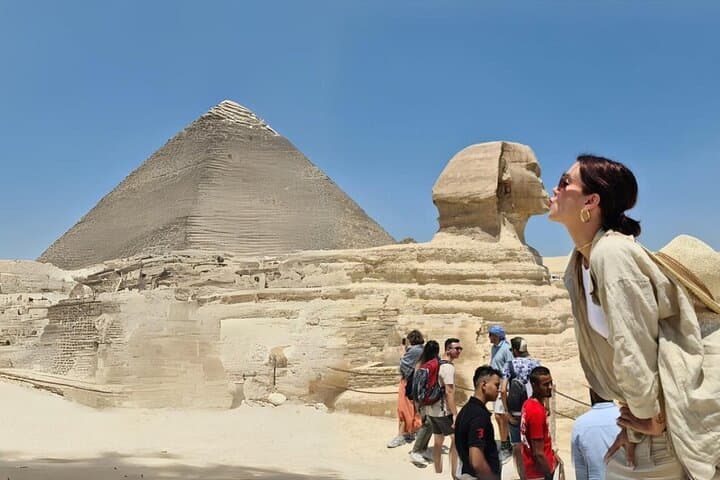
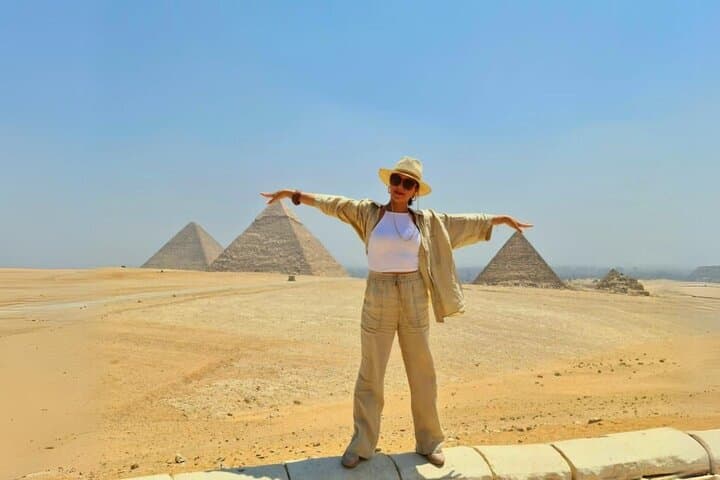
It’s 1 a.m. when the coach pulls out of Hurghada and the desert presses close, a low, starlit plain that seems to urge you toward the city of pharaohs. By midmorning you stand on the Giza Plateau with sand underfoot and three great stones cutting the horizon: Khufu, Khafre, and Menkaure. The Sphinx watches as ever—ancient, wind-polished, and oddly present.
Verified experiences and guided adventures in the surrounding area.
Operated by Flower of Egypt Travel · Giza, Giza Governorate
It’s 1 a.m. when the coach pulls out of Hurghada and the desert presses close, a low, starlit plain that seems to urge you toward the city of pharaohs. By midmorning you stand on the Giza Plateau with sand underfoot and three great stones cutting the horizon: Khufu, Khafre, and Menkaure. The Sphinx watches as ever—ancient, wind-polished, and oddly present.
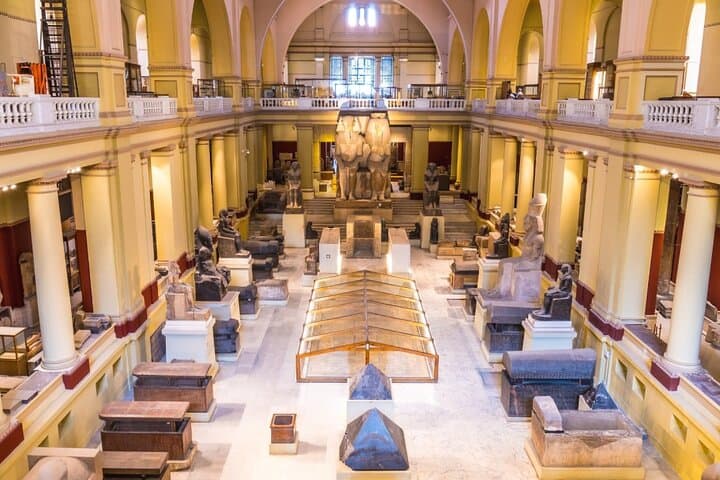
The route between Red Sea resorts and the Nile follows a long human story: caravan tracks turned asphalt, dunes giving way to farmed riverbanks. Geology here is simple and brutal—limestone and bedrock that made the pyramids possible, and the Nile’s alluvial soils that supported ancient cities. In Cairo the Egyptian Museum gathers that human story indoors: gilded funerary masks, sarcophagi, and Tutankhamun’s treasures, artifacts that map a civilization’s daily and ritual life.
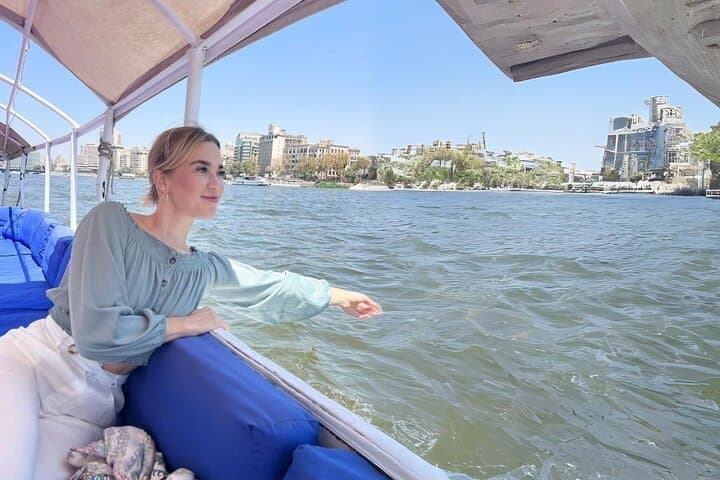
You’ll also glide a short stretch of the Nile, watch craftsmen make papyrus, and eat a local lunch offering bread, grilled fish, and fragrant spices. Expect tight spaces if you enter a pyramid and a steady stream of visitors at key viewpoints.
Practical guidance: this is a 17–18 hour day with long coach transit—pack water, sun protection, and a daypack with passport copies and cash for tips and small purchases. Comfortable walking shoes are essential; layers help for temperature swings between desert night, midday sun, and air-conditioned interiors. Plan for early pickup and late return, and communicate pickup details via WhatsApp as the operator requests.
moderate.
17–18 hours.
Good endurance for long travel days and walking on uneven stone and sand; minimal technical fitness required.
Travel time is about 6–7 hours each way by air-conditioned coach, with a total excursion day of roughly 17–18 hours.
Some tours include pyramid entry but spaces are limited; entering involves steep, narrow passages and a separate ticket may be required on site.
A local lunch is included and operators can usually accommodate vegetarian or vegan requests if informed in advance.
Yes—the itinerary includes the museum and key highlights like Tutankhamun’s treasures, but the collection is vast so visits focus on major exhibits within the allotted time.
The Giza pyramids date to the Fourth Dynasty (around 2500 BCE) and the Egyptian Museum preserves millennia of artifacts, including the burial goods of Tutankhamun.
High visitor volumes strain fragile sites—avoid touching monuments, use local guides, and minimize single-use plastics to reduce impact.
Flower of Egypt Travel operates guided outdoor trips and adventures with an emphasis on safety, stewardship, and memorable experiences.
It’s 1 a.m. when the coach pulls out of Hurghada and the desert presses close, a low, starlit plain that seems to urge you toward the city of pharaohs. By midmorning you stand on the Giza Plateau with sand underfoot and three great stones cutting the horizon: Khufu, Khafre, and Menkaure. The Sphinx watches as ever—ancient, wind-polished, and oddly present.
It’s 1 a.m. when the coach pulls out of Hurghada and the desert presses close, a low, starlit plain that seems to urge you toward the city of pharaohs. By midmorning you stand on the Giza Plateau with sand underfoot and three great stones cutting the horizon: Khufu, Khafre, and Menkaure. The Sphinx watches as ever—ancient, wind-polished, and oddly present.
The route between Red Sea resorts and the Nile follows a long human story: caravan tracks turned asphalt, dunes giving way to farmed riverbanks. Geology here is simple and brutal—limestone and bedrock that made the pyramids possible, and the Nile’s alluvial soils that supported ancient cities. In Cairo the Egyptian Museum gathers that human story indoors: gilded funerary masks, sarcophagi, and Tutankhamun’s treasures, artifacts that map a civilization’s daily and ritual life.
You’ll also glide a short stretch of the Nile, watch craftsmen make papyrus, and eat a local lunch offering bread, grilled fish, and fragrant spices. Expect tight spaces if you enter a pyramid and a steady stream of visitors at key viewpoints.
Practical guidance: this is a 17–18 hour day with long coach transit—pack water, sun protection, and a daypack with passport copies and cash for tips and small purchases. Comfortable walking shoes are essential; layers help for temperature swings between desert night, midday sun, and air-conditioned interiors. Plan for early pickup and late return, and communicate pickup details via WhatsApp as the operator requests.