THE ADVENTURE COLLECTIVE® · Independent discovery and booking for outdoor travel

Step outside Cairo to a working farm where hands-on pottery and baladi bread baking meet horseback rides and sand slides. This family-friendly half-day experience blends rural craft, animal interaction, and simple outdoor fun.
Step outside Cairo to a working farm where hands-on pottery and baladi bread baking meet horseback rides and sand slides. This family-friendly half-day experience blends rural craft, animal interaction, and simple outdoor fun.
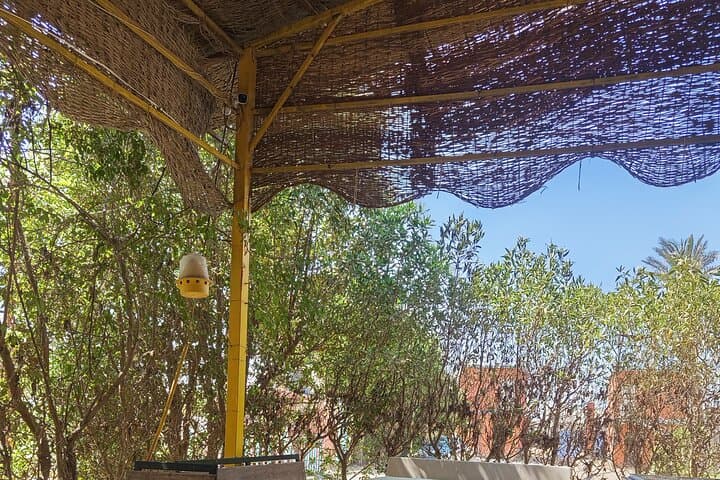
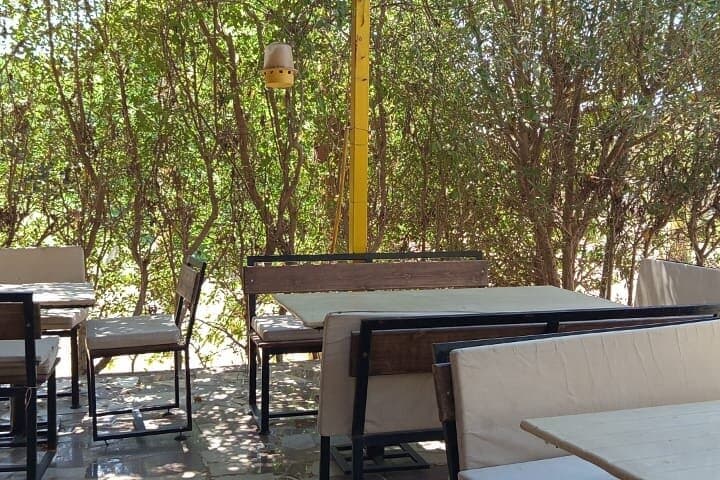
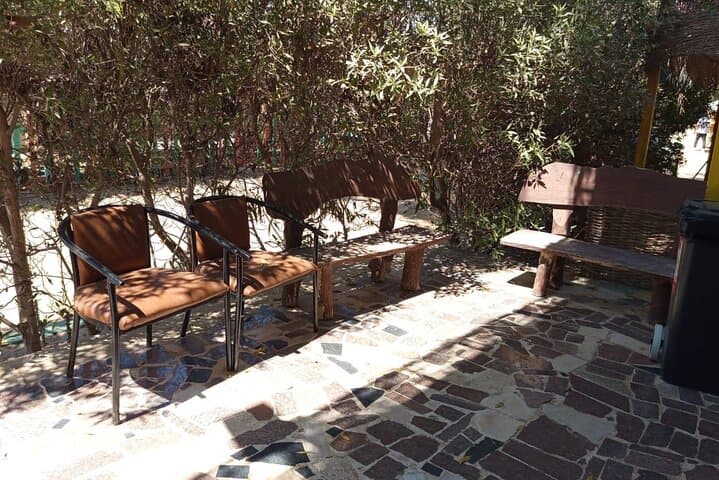
You arrive on a sandy lane where the city’s noise thins and the farm’s olive trees lean like old friends. Early-morning light warms flat fields that once fed Cairo for generations; here, hands shape clay while a wood-fired oven breathes life into baladi bread. The scene is unhurried—children chase chickens, and a horse stamps its foot as if reminding you to slow down.
Verified experiences and guided adventures in the surrounding area.
Operated by Hi Egypt · Cairo, Cairo Governorate
You arrive on a sandy lane where the city’s noise thins and the farm’s olive trees lean like old friends. Early-morning light warms flat fields that once fed Cairo for generations; here, hands shape clay while a wood-fired oven breathes life into baladi bread. The scene is unhurried—children chase chickens, and a horse stamps its foot as if reminding you to slow down.
This experience ties into Egypt’s long history of crafts and rural life. Pottery in the Nile Delta region dates back millennia, and baladi bread—thin, leavened rounds baked against hot oven walls—remains a daily staple. Geologically, the area sits on alluvial plains deposited by the Nile, soil that has supported small farms for centuries and now hosts low-slung fields, orchards, and sandy patches that invite simple outdoor games.
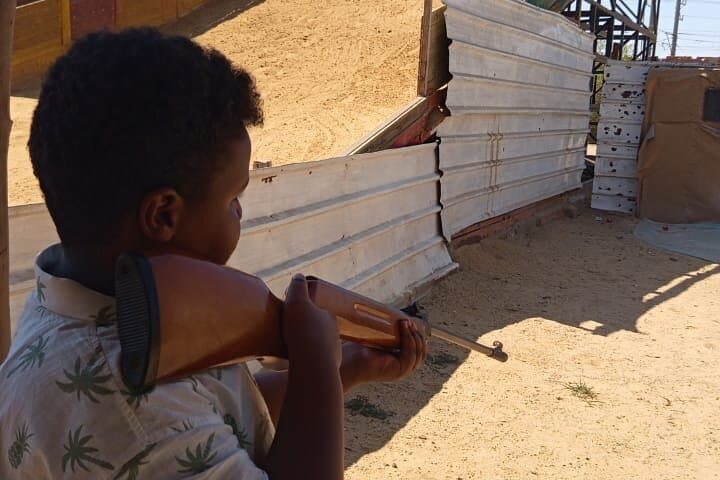
Cultural exchange here is practical: local artisans teach wheel and hand-building techniques, and bakers demonstrate dough mixing, shaping, and traditional baking. Expect tactile learning rather than polished museum demos—this is active craft tourism, with farm animals and open-air activities like horseback riding, sand sliding, and archery blending into the day.
Practical guidance: schedule your visit in the cooler morning hours, wear closed-toe shoes for the workshop and activities, and bring sun protection and cash for optional extras like the pool. The tour is wheelchair- and family-friendly, but check pickup arrangements in advance (Giza pickups may have extra fees). Bring a small bag for finished pottery—many pieces dry quickly and can be wrapped for travel.
easy.
2–4 hours.
Suitable for most fitness levels; some walking on uneven ground and basic mount control for short rides
The experience is flexible but typically lasts 2–4 hours depending on selected activities and transfer time.
Pickup is coordinated via WhatsApp; central Cairo pickups are usually included while Giza pickups may incur an extra fee—confirm at booking.
Yes—workshops are family-friendly and suitable for children with supervision; infant seats and stroller access are available.
Yes—the farm reports wheelchair-accessible surfaces and transportation, but confirm specific requirements when booking.
Pottery-making and flatbread baking are centuries-old practices in the Nile’s agricultural communities, blending craft and daily sustenance that persist in rural Cairo.
The farm emphasizes low-impact tourism and supports local artisans; be mindful of water use and stick to designated paths to limit disturbance.
Hi Egypt operates guided outdoor trips and adventures with an emphasis on safety, stewardship, and memorable experiences.
You arrive on a sandy lane where the city’s noise thins and the farm’s olive trees lean like old friends. Early-morning light warms flat fields that once fed Cairo for generations; here, hands shape clay while a wood-fired oven breathes life into baladi bread. The scene is unhurried—children chase chickens, and a horse stamps its foot as if reminding you to slow down.
You arrive on a sandy lane where the city’s noise thins and the farm’s olive trees lean like old friends. Early-morning light warms flat fields that once fed Cairo for generations; here, hands shape clay while a wood-fired oven breathes life into baladi bread. The scene is unhurried—children chase chickens, and a horse stamps its foot as if reminding you to slow down.
This experience ties into Egypt’s long history of crafts and rural life. Pottery in the Nile Delta region dates back millennia, and baladi bread—thin, leavened rounds baked against hot oven walls—remains a daily staple. Geologically, the area sits on alluvial plains deposited by the Nile, soil that has supported small farms for centuries and now hosts low-slung fields, orchards, and sandy patches that invite simple outdoor games.
Cultural exchange here is practical: local artisans teach wheel and hand-building techniques, and bakers demonstrate dough mixing, shaping, and traditional baking. Expect tactile learning rather than polished museum demos—this is active craft tourism, with farm animals and open-air activities like horseback riding, sand sliding, and archery blending into the day.
Practical guidance: schedule your visit in the cooler morning hours, wear closed-toe shoes for the workshop and activities, and bring sun protection and cash for optional extras like the pool. The tour is wheelchair- and family-friendly, but check pickup arrangements in advance (Giza pickups may have extra fees). Bring a small bag for finished pottery—many pieces dry quickly and can be wrapped for travel.