THE ADVENTURE COLLECTIVE® · Independent discovery and booking for outdoor travel

Experience Cairo’s headline attractions in a single but very long day: the Pyramids of Giza, the Great Sphinx, and the Egyptian Museum. This bus tour from Sharm El Sheikh packs in history, open desert walking, and museum galleries—bring water and patience for the transit.
Experience Cairo’s headline attractions in a single but very long day: the Pyramids of Giza, the Great Sphinx, and the Egyptian Museum. This bus tour from Sharm El Sheikh packs in history, open desert walking, and museum galleries—bring water and patience for the transit.
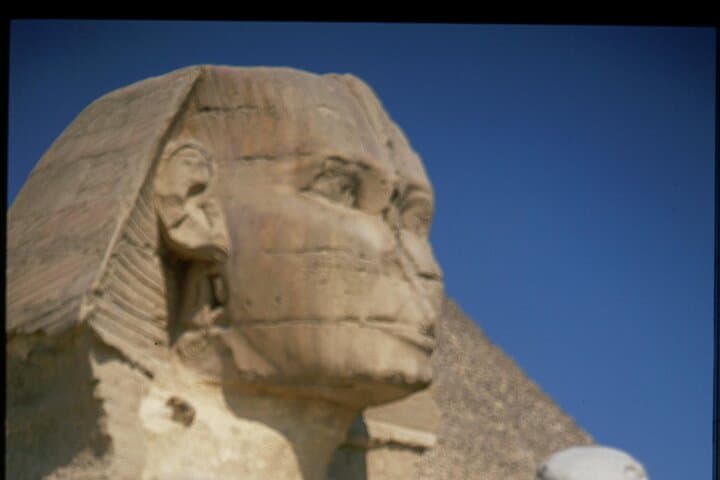
You step off an air-conditioned bus into a wide, sunlit plain where stone meets sky: the Giza Plateau stretches ahead, the Great Pyramid rising like an engineered cliff face. Wind carries grit and the distant murmur of tourists; camels shift and guides call, and the Sphinx watches with an expression both eroded and enormous.
Verified experiences and guided adventures in the surrounding area.
Operated by Sharm Star · Cairo, Cairo Governorate
You step off an air-conditioned bus into a wide, sunlit plain where stone meets sky: the Giza Plateau stretches ahead, the Great Pyramid rising like an engineered cliff face. Wind carries grit and the distant murmur of tourists; camels shift and guides call, and the Sphinx watches with an expression both eroded and enormous.
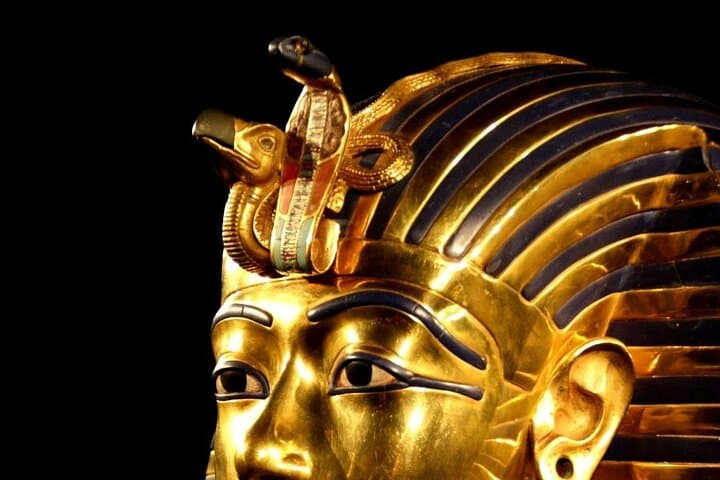
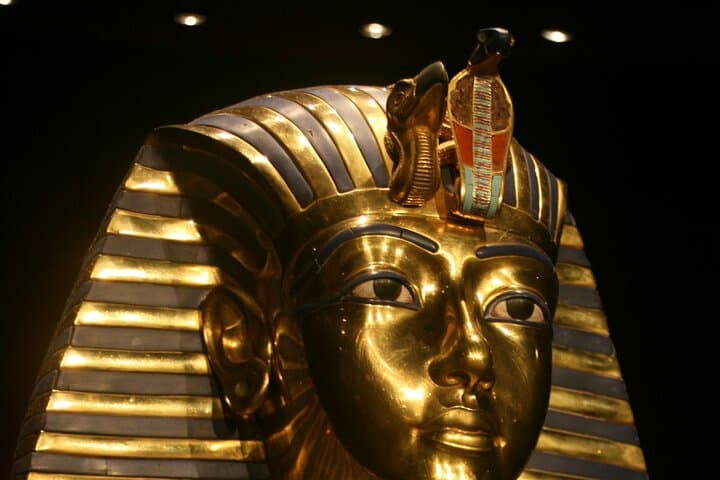
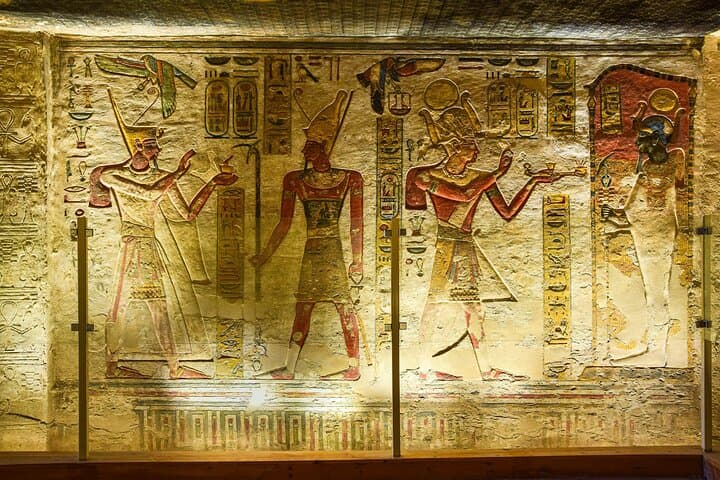
This day trip threads modern Sharm El Sheikh with ancient Cairo. The Pyramids—built in the late 3rd millennium BCE—sit on limestone bedrock and were intended as monumental tombs for pharaohs; nearby, the Sphinx was carved from the same quarry stone that supplied the Great Pyramid. The Egyptian Museum in downtown Cairo houses objects spanning millennia, including New Kingdom treasures and Tutankhamun’s goldwork, giving context to the Giza stones.
Culturally, expect a blend of bustling city life and curated tourist spaces; vendors line approaches to major sites and local guides offer layered histories. Geologically, the plateau’s quarried limestone and desert sands shape the walking surfaces: uneven flagstones, loose gravel, and hot sun.
Practical approach: arrive early at Giza for cooler light and shorter lines, wear sturdy closed shoes for uneven ground, carry sunscreen and water, and budget time for traffic—this is a long transit day by bus. The museum visit includes indoor exhibits and optional Nile-side strolls; the pyramids section involves open exposure and optional camel or horse rides sold locally. Keep passports handy for any ticket checks and consider ear protection for crowded areas. This itinerary is rewarding for history-minded travelers willing to trade a long day on the road for close-up access to Egypt’s most iconic sites.
easy.
18–19 hours.
Basic fitness required — most walking is moderate but expect long periods of sitting and some standing while touring.
Expect a multi-hour drive each way—often 6–8 hours depending on traffic and stops—so the full excursion typically spans most of the day.
The tour itinerary lists admission to the Egyptian Museum and Giza Plateau as included, but optional extras like the interior pyramid entry or Nile boat rides may cost extra on site.
Yes—camel and horse rides are offered by local vendors near the pyramids; these are optional and paid locally in cash.
The museum has public access options, but the Giza Plateau has uneven terrain and some areas are challenging for mobility aids—check with the operator for specific accessibility arrangements.
The Giza pyramids were constructed during Egypt’s Old Kingdom as monumental royal tombs; the Egyptian Museum’s 19th-century collections preserve finds from across dynastic Egypt, including pharaonic funerary goods.
High foot traffic and souvenir kiosks stress fragile sites—stick to marked paths, avoid touching ancient stone, and support local conservation efforts by using licensed guides.
Sharm Star operates guided outdoor trips and adventures with an emphasis on safety, stewardship, and memorable experiences.
You step off an air-conditioned bus into a wide, sunlit plain where stone meets sky: the Giza Plateau stretches ahead, the Great Pyramid rising like an engineered cliff face. Wind carries grit and the distant murmur of tourists; camels shift and guides call, and the Sphinx watches with an expression both eroded and enormous.
You step off an air-conditioned bus into a wide, sunlit plain where stone meets sky: the Giza Plateau stretches ahead, the Great Pyramid rising like an engineered cliff face. Wind carries grit and the distant murmur of tourists; camels shift and guides call, and the Sphinx watches with an expression both eroded and enormous.
This day trip threads modern Sharm El Sheikh with ancient Cairo. The Pyramids—built in the late 3rd millennium BCE—sit on limestone bedrock and were intended as monumental tombs for pharaohs; nearby, the Sphinx was carved from the same quarry stone that supplied the Great Pyramid. The Egyptian Museum in downtown Cairo houses objects spanning millennia, including New Kingdom treasures and Tutankhamun’s goldwork, giving context to the Giza stones.
Culturally, expect a blend of bustling city life and curated tourist spaces; vendors line approaches to major sites and local guides offer layered histories. Geologically, the plateau’s quarried limestone and desert sands shape the walking surfaces: uneven flagstones, loose gravel, and hot sun.
Practical approach: arrive early at Giza for cooler light and shorter lines, wear sturdy closed shoes for uneven ground, carry sunscreen and water, and budget time for traffic—this is a long transit day by bus. The museum visit includes indoor exhibits and optional Nile-side strolls; the pyramids section involves open exposure and optional camel or horse rides sold locally. Keep passports handy for any ticket checks and consider ear protection for crowded areas. This itinerary is rewarding for history-minded travelers willing to trade a long day on the road for close-up access to Egypt’s most iconic sites.