THE ADVENTURE COLLECTIVE® · Independent discovery and booking for outdoor travel

From the quay at Suez to the Western Plateau at Giza, this full-day private tour pairs hands-on history at the Papyrus Institute with up-close views of the Great Pyramid and a deep dive into artifacts at the Grand Egyptian Museum. Expect long drives, desert wind, and museum time.
From the quay at Suez to the Western Plateau at Giza, this full-day private tour pairs hands-on history at the Papyrus Institute with up-close views of the Great Pyramid and a deep dive into artifacts at the Grand Egyptian Museum. Expect long drives, desert wind, and museum time.
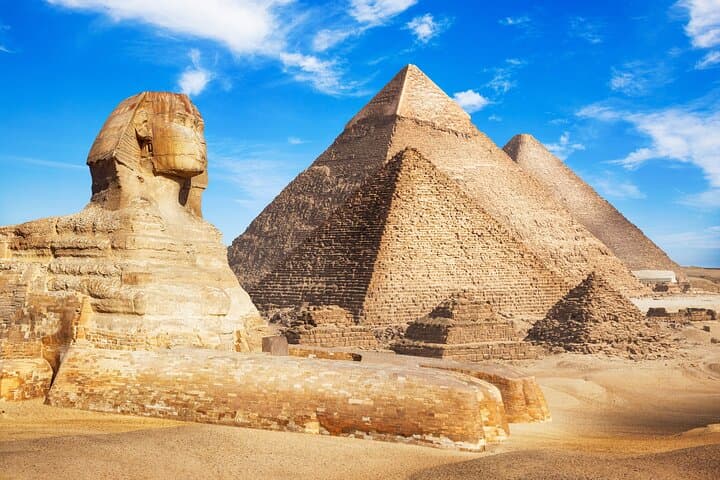
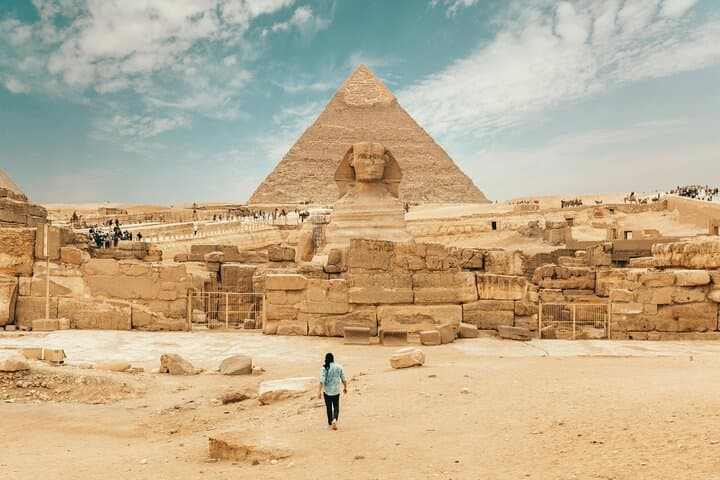
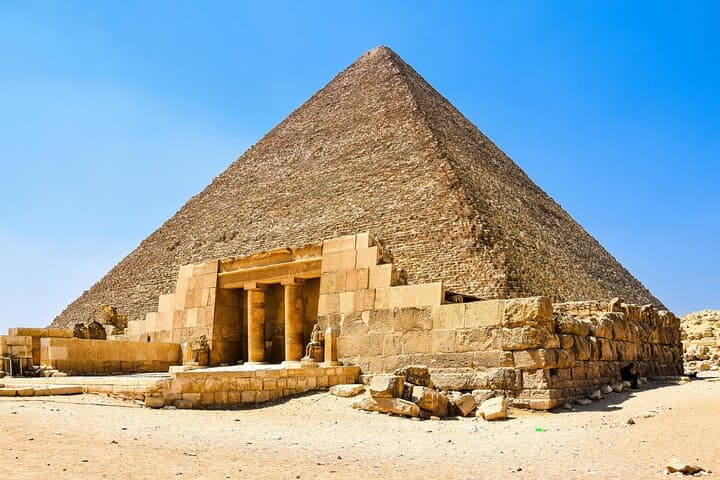
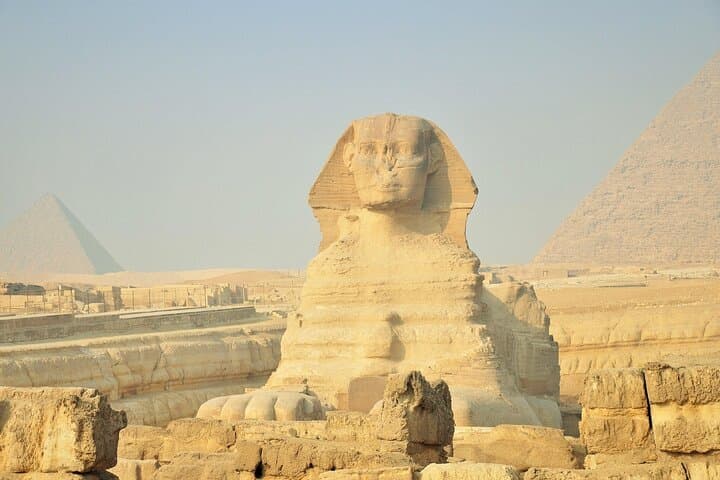
You step off the quay in Suez before dawn and the highway unspools toward Cairo like a promise — the desert air pushing against the bus windows as the city draws near. By midmorning you’re standing on the Western Plateau, where the stones of the Great Pyramid tower and the Sphinx watches the horizon; the wind off the plateau dares you to move closer and listen to millennia.
Verified experiences and guided adventures in the surrounding area.
Operated by NORTH AFRICAN SHIPPING AND TOURISM COMPANY (NASCO TOURS) · Cairo, Cairo Governorate
You step off the quay in Suez before dawn and the highway unspools toward Cairo like a promise — the desert air pushing against the bus windows as the city draws near. By midmorning you’re standing on the Western Plateau, where the stones of the Great Pyramid tower and the Sphinx watches the horizon; the wind off the plateau dares you to move closer and listen to millennia.
This loop links two eras of Egypt’s public history: the Bronze Age monuments of Giza, formed from limestone and ancient quarrying, and the modern Grand Egyptian Museum (GEM), a purpose-built space for New Kingdom treasures. Between them, a stop at the Papyrus Institute explains the craft that recorded offerings, taxes and kings — a cultural throughline from carved hieroglyph to fragile sheet.
Expect practical rhythms: vehicle transfers on an air-conditioned coach, short guided walks across uneven desert pavements, and time inside climate-controlled galleries at GEM. You’ll eat a sit-down lunch at a local restaurant that offers familiar Egyptian flavors — think ful, grilled meat, and crisp salads — before a two-hour museum exploration focused on Tutankhamun-era finds and monumental statuary.
Plan for sun, dust and lots of photography. Wear sturdy shoes for uneven limestone and bring a layered shirt for moving between hot sun and cool museum halls. Carry water, a hat and photocopies of travel documents if you’re on a cruise schedule. Timing is tight — aim for early pickup and keep your ship’s embarkation window in mind. The route combines big-picture history with practical logistics: the reward is walking where antiquity still shapes the skyline.
easy.
11–12 hours.
Light to moderate; requires standing and walking on uneven ground for several short periods but no technical exertion
The itinerary notes admissions included for specific stops; confirm at booking whether GEM and Giza tickets are covered or if you need to pay on-site.
Expect about 2.5–3.5 hours each way depending on traffic and port timing; the schedule builds in transfers both directions.
Yes; the tour is marked suitable for all fitness levels, though the day is long and involves walking on uneven ground at Giza.
Photography policies vary by exhibit; casual cameras are generally allowed in public galleries, but tripods and flash may be restricted—check with the guide or museum staff on arrival.
Giza’s pyramids date to Egypt’s Old Kingdom (c. 2600–2500 BCE) while the Grand Egyptian Museum is a 21st-century cultural project designed to centralize and conserve artifacts from across pharaonic history.
GEM emphasizes conservation-grade displays and climate control to protect artifacts; visitors are asked to avoid touching exhibits and to follow designated paths to limit wear on ancient sites.
NORTH AFRICAN SHIPPING AND TOURISM COMPANY (NASCO TOURS) operates guided outdoor trips and adventures with an emphasis on safety, stewardship, and memorable experiences.
You step off the quay in Suez before dawn and the highway unspools toward Cairo like a promise — the desert air pushing against the bus windows as the city draws near. By midmorning you’re standing on the Western Plateau, where the stones of the Great Pyramid tower and the Sphinx watches the horizon; the wind off the plateau dares you to move closer and listen to millennia.
You step off the quay in Suez before dawn and the highway unspools toward Cairo like a promise — the desert air pushing against the bus windows as the city draws near. By midmorning you’re standing on the Western Plateau, where the stones of the Great Pyramid tower and the Sphinx watches the horizon; the wind off the plateau dares you to move closer and listen to millennia.
This loop links two eras of Egypt’s public history: the Bronze Age monuments of Giza, formed from limestone and ancient quarrying, and the modern Grand Egyptian Museum (GEM), a purpose-built space for New Kingdom treasures. Between them, a stop at the Papyrus Institute explains the craft that recorded offerings, taxes and kings — a cultural throughline from carved hieroglyph to fragile sheet.
Expect practical rhythms: vehicle transfers on an air-conditioned coach, short guided walks across uneven desert pavements, and time inside climate-controlled galleries at GEM. You’ll eat a sit-down lunch at a local restaurant that offers familiar Egyptian flavors — think ful, grilled meat, and crisp salads — before a two-hour museum exploration focused on Tutankhamun-era finds and monumental statuary.
Plan for sun, dust and lots of photography. Wear sturdy shoes for uneven limestone and bring a layered shirt for moving between hot sun and cool museum halls. Carry water, a hat and photocopies of travel documents if you’re on a cruise schedule. Timing is tight — aim for early pickup and keep your ship’s embarkation window in mind. The route combines big-picture history with practical logistics: the reward is walking where antiquity still shapes the skyline.