THE ADVENTURE COLLECTIVE® · Independent discovery and booking for outdoor travel

Fly from Sharm El Sheikh to Cairo for a focused day with an Egyptologist: the Egyptian Museum, lunch in a local café, then panoramic views of the Great Pyramid, Sphinx and Valley Temple. Long but accessible, the tour compresses Egypt’s highlights into one intensive day.
Fly from Sharm El Sheikh to Cairo for a focused day with an Egyptologist: the Egyptian Museum, lunch in a local café, then panoramic views of the Great Pyramid, Sphinx and Valley Temple. Long but accessible, the tour compresses Egypt’s highlights into one intensive day.
You land in Cairo with the city’s heat folding over the tarmac like a warning and the limestone plateau of Giza already looming on the horizon.
Verified experiences and guided adventures in the surrounding area.
Operated by Special trips · Cairo, Cairo Governorate
You land in Cairo with the city’s heat folding over the tarmac like a warning and the limestone plateau of Giza already looming on the horizon.
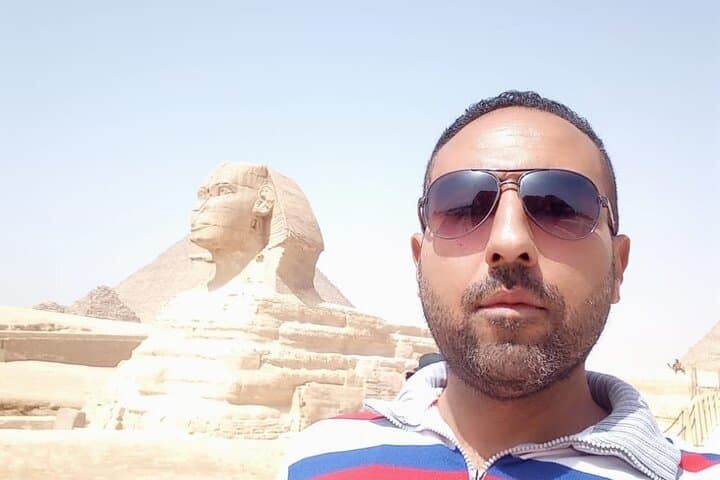
A private Egyptologist meets you at the arrivals hall and the day becomes a concentrated sweep through 4,500 years of urban and funerary history: the Egyptian Museum’s vitrines of gilded funerary gear, then the wide, wind-scoured panoramas of the Giza plateau where the Great Pyramid towers and the Sphinx keeps a patient watch.
Geology here is blunt and ancient — the pyramids sit on natural limestone beds whose bedding planes shaped how the builders quarried and placed blocks. Culturally the route moves from the colonial-era museum galleries to the living streets: tea shops, shisha clouds, and vendors pitching papyrus reproductions.
Expect a long but accessible day: roughly 12–14 hours including early transfers, a one-hour domestic flight each way, guided walks inside the museum and across the plateau, and a paced lunch at a local restaurant. The walking surfaces range from polished museum floors to uneven desert paving and stone ramps; shade is limited on the plateau.
Practical edge: carry a filled water bottle and sun protection, bring your passport and original travel documents for airport transfers, and budget small local currency for tips and souvenirs. Mobility is straightforward but the day’s length rewards planning — rest on the flight, keep electrolytes handy, and time photos in the softer light of morning or late afternoon for the best color and less heat.
easy.
12–14 hours.
Suitable for travelers in normal health who can handle a full day with several short walks and standing periods; not strenuous but involves time on your feet.
Inclusions vary by operator—this tour lists transfers, flights, guide and lunch; confirm whether specific entrance tickets to the Egyptian Museum or pyramid complex are included before booking.
Direct flights are about 50–70 minutes airborne; factor additional transfer and security time at both airports, which contributes to the full 12–14 hour day.
The operator notes stroller accessibility and infant seats, but museum spaces and the plateau have stairs and uneven ground—families should plan accordingly for comfort and supervision.
Visa requirements depend on your nationality; check with Egyptian consular services before travel and carry your passport and travel documents on the day of the tour.
The Giza plateau holds the Great Pyramid of Khufu (c. 2560 BCE) and related funerary complexes; the Egyptian Museum in downtown Cairo houses extensive collections of Pharaonic artifacts, including Tutankhamun’s funerary mask.
High visitor numbers and dune encroachment stress the plateau; follow marked paths, avoid climbing on monuments, and support licensed guides and local conservation initiatives.
Special trips operates guided outdoor trips and adventures with an emphasis on safety, stewardship, and memorable experiences.


You land in Cairo with the city’s heat folding over the tarmac like a warning and the limestone plateau of Giza already looming on the horizon.
You land in Cairo with the city’s heat folding over the tarmac like a warning and the limestone plateau of Giza already looming on the horizon.
A private Egyptologist meets you at the arrivals hall and the day becomes a concentrated sweep through 4,500 years of urban and funerary history: the Egyptian Museum’s vitrines of gilded funerary gear, then the wide, wind-scoured panoramas of the Giza plateau where the Great Pyramid towers and the Sphinx keeps a patient watch.
Geology here is blunt and ancient — the pyramids sit on natural limestone beds whose bedding planes shaped how the builders quarried and placed blocks. Culturally the route moves from the colonial-era museum galleries to the living streets: tea shops, shisha clouds, and vendors pitching papyrus reproductions.
Expect a long but accessible day: roughly 12–14 hours including early transfers, a one-hour domestic flight each way, guided walks inside the museum and across the plateau, and a paced lunch at a local restaurant. The walking surfaces range from polished museum floors to uneven desert paving and stone ramps; shade is limited on the plateau.
Practical edge: carry a filled water bottle and sun protection, bring your passport and original travel documents for airport transfers, and budget small local currency for tips and souvenirs. Mobility is straightforward but the day’s length rewards planning — rest on the flight, keep electrolytes handy, and time photos in the softer light of morning or late afternoon for the best color and less heat.