THE ADVENTURE COLLECTIVE® · Independent discovery and booking for outdoor travel

A full-day bus journey from Sharm El Sheikh delivers the Great Pyramids, the Sphinx and the Egyptian Museum in one long but rewarding day. Prepare for long drives, strong sun and concentrated walking on uneven historic ground.
A full-day bus journey from Sharm El Sheikh delivers the Great Pyramids, the Sphinx and the Egyptian Museum in one long but rewarding day. Prepare for long drives, strong sun and concentrated walking on uneven historic ground.
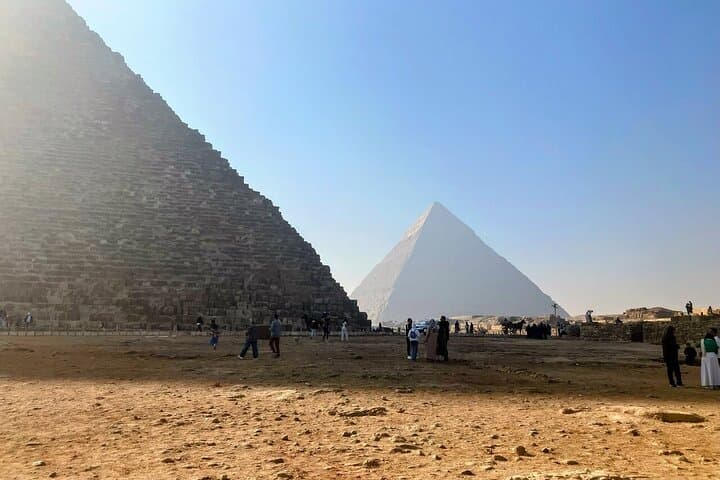
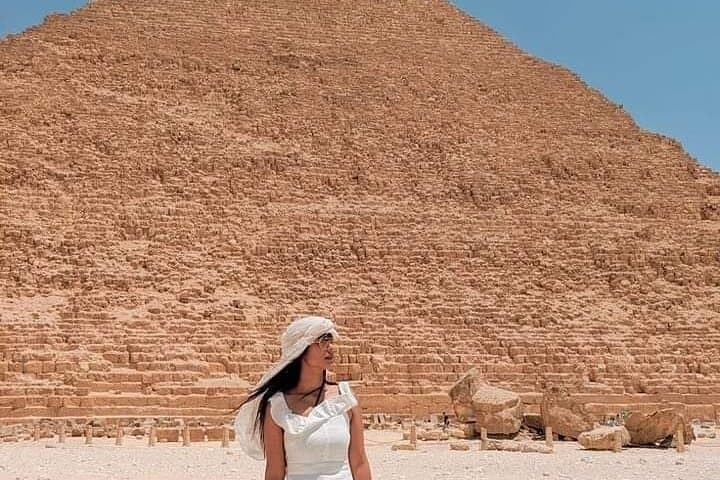
Before dawn the bus slides out of Sharm El Sheikh, headlights carving a ribbon through desert air as passengers drift between sleep and the promise of stone older than many civilizations. By midmorning the horizon sharpens: the Great Pyramids rise from the limestone plain, geometry insisting on attention. The Sphinx squints into the heat, its expression fixed but immediate.
Verified experiences and guided adventures in the surrounding area.
Operated by PyramidsTrips.com · Giza, Giza Governorate
Before dawn the bus slides out of Sharm El Sheikh, headlights carving a ribbon through desert air as passengers drift between sleep and the promise of stone older than many civilizations. By midmorning the horizon sharpens: the Great Pyramids rise from the limestone plain, geometry insisting on attention. The Sphinx squints into the heat, its expression fixed but immediate.
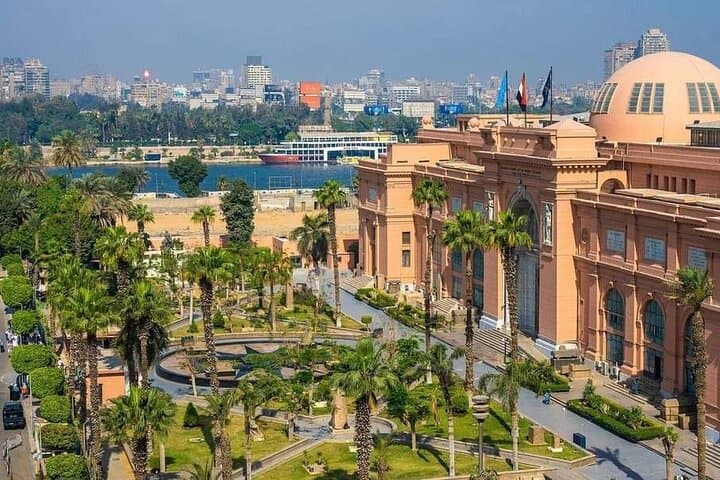
This route stitches modern Red Sea tourism to the Nile Valley’s ancient centers. Geologically, the Giza Plateau is a raised limestone bench that preserved these monuments for millennia; culturally it is where pharaonic rituals, labor organization and astronomy coalesced into monumental architecture. The Egyptian Museum in Tahrir holds the gilded intimacy of Tutankhamun beside utilitarian objects that map daily life five millennia ago.
Expect long but well-managed transit—roughly six hours each way with rest stops—then concentrated time at the pyramid complex and the museum. Walking surfaces range from packed sand and uneven limestone to museum floors; sun and reflected heat are constant companions. Local guides—Egyptologists in many cases—translate inscriptions, point out alignment with Orion and explain the logistics of pyramid construction without romanticizing the work.
Practical edge: bring layered sun protection, a refillable water bottle, and comfortable shoes with grip for rough stone. Pace your energy—this is a marathon day where patience rewards you with front-row views and handheld stories of ancient engineering.
Timing tip: earlier departures give cooler light at Giza and steadier traffic on return to Sharm El Sheikh.
easy.
20 hours.
Suitable for most fitness levels but requires standing and walking on uneven ground during excursions and tolerance for long bus travel
Expect about six hours each way with at least one rest stop; total door-to-door time is roughly 20 hours including site visits.
Yes—this tour’s listed inclusions cover entrance fees to the Giza Pyramids and the Egyptian Museum.
The tour is labeled suitable for all fitness levels, but the pyramid plateau and some museum areas involve uneven surfaces and stairs; assistance may be limited.
Yes; the itinerary allocates time for photos at the pyramids and the Sphinx, and a professional Egyptologist guide provides context at key stops.
Giza’s monuments date to the Fourth Dynasty (c. 2600–2500 BCE) and were deliberately aligned to certain stars and the Nile’s position to serve funerary and cosmological purposes.
High visitor volumes and urban encroachment pressure the plateau and museum collections; choose responsible operators and avoid touching monuments to limit wear.
PyramidsTrips.com operates guided outdoor trips and adventures with an emphasis on safety, stewardship, and memorable experiences.

Before dawn the bus slides out of Sharm El Sheikh, headlights carving a ribbon through desert air as passengers drift between sleep and the promise of stone older than many civilizations. By midmorning the horizon sharpens: the Great Pyramids rise from the limestone plain, geometry insisting on attention. The Sphinx squints into the heat, its expression fixed but immediate.
Before dawn the bus slides out of Sharm El Sheikh, headlights carving a ribbon through desert air as passengers drift between sleep and the promise of stone older than many civilizations. By midmorning the horizon sharpens: the Great Pyramids rise from the limestone plain, geometry insisting on attention. The Sphinx squints into the heat, its expression fixed but immediate.
This route stitches modern Red Sea tourism to the Nile Valley’s ancient centers. Geologically, the Giza Plateau is a raised limestone bench that preserved these monuments for millennia; culturally it is where pharaonic rituals, labor organization and astronomy coalesced into monumental architecture. The Egyptian Museum in Tahrir holds the gilded intimacy of Tutankhamun beside utilitarian objects that map daily life five millennia ago.
Expect long but well-managed transit—roughly six hours each way with rest stops—then concentrated time at the pyramid complex and the museum. Walking surfaces range from packed sand and uneven limestone to museum floors; sun and reflected heat are constant companions. Local guides—Egyptologists in many cases—translate inscriptions, point out alignment with Orion and explain the logistics of pyramid construction without romanticizing the work.
Practical edge: bring layered sun protection, a refillable water bottle, and comfortable shoes with grip for rough stone. Pace your energy—this is a marathon day where patience rewards you with front-row views and handheld stories of ancient engineering.
Timing tip: earlier departures give cooler light at Giza and steadier traffic on return to Sharm El Sheikh.