THE ADVENTURE COLLECTIVE® · Independent discovery and booking for outdoor travel

Make Cairo accessible from Sharm el Sheikh in one long, compelling day: see the Egyptian Museum, stand at the foot of the Pyramids of Giza and contemplate the Sphinx. Expect a full‑value cultural push with significant travel time.
Make Cairo accessible from Sharm el Sheikh in one long, compelling day: see the Egyptian Museum, stand at the foot of the Pyramids of Giza and contemplate the Sphinx. Expect a full‑value cultural push with significant travel time.
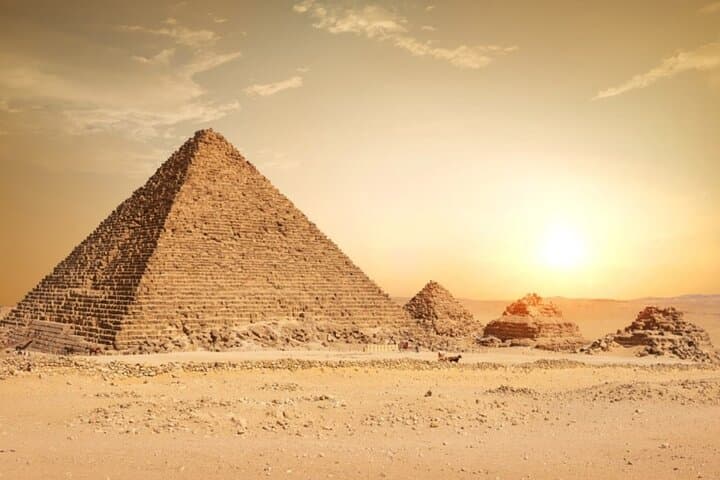
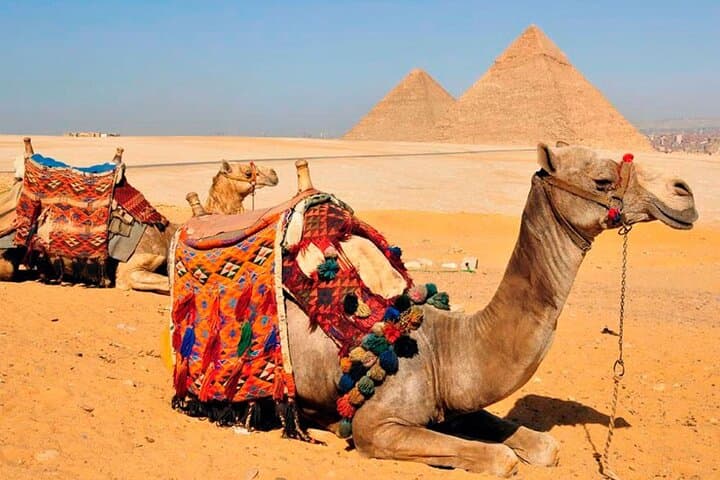
You leave Sharm el Sheikh before dawn, the bus cutting through Sinai's low scrub as the sky lightens and the desert wind seems to push you forward. By mid-morning Cairo's skyline grows in the rearview, and then the city yields to the flat, ochre sweep of the Giza plateau where the Pyramids rise in silhouette—ancient geometry meeting modern traffic.
Verified experiences and guided adventures in the surrounding area.
Operated by Egypt Tours Travel · Giza, Giza Governorate
You leave Sharm el Sheikh before dawn, the bus cutting through Sinai's low scrub as the sky lightens and the desert wind seems to push you forward. By mid-morning Cairo's skyline grows in the rearview, and then the city yields to the flat, ochre sweep of the Giza plateau where the Pyramids rise in silhouette—ancient geometry meeting modern traffic.
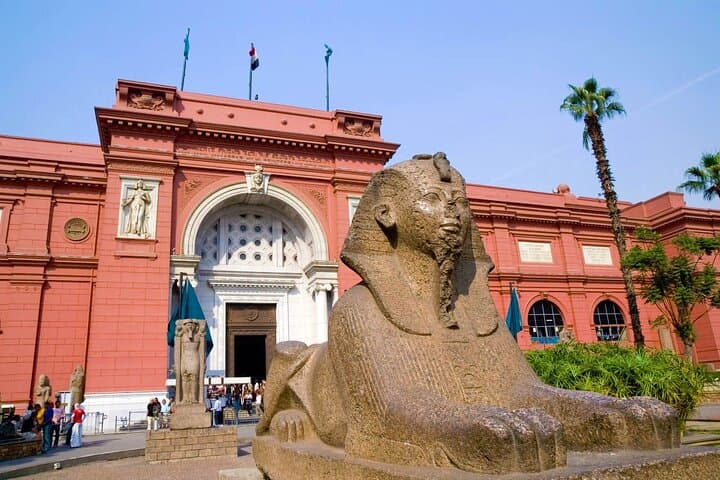
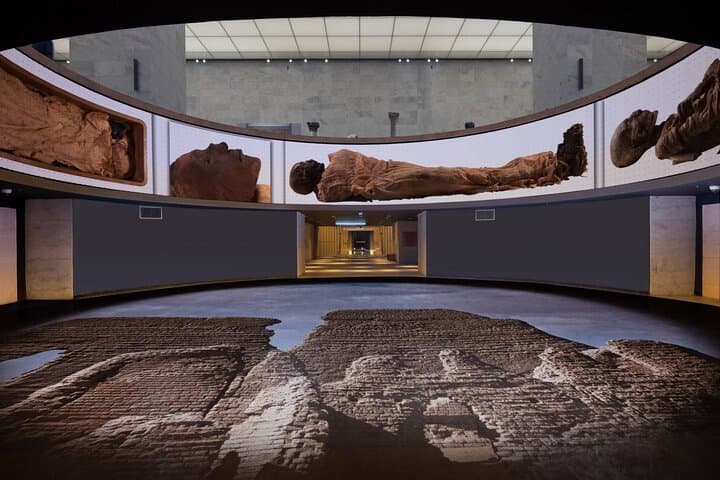
The Egyptian Museum and the Giza complex are practical classrooms in stone and sand. The museum houses Pharaonic treasures and mummies whose provenance maps centuries of Nile‑fed civilization; the pyramids, built from limestone and mortar, reveal engineering choices driven by geology and ritual. The Sphinx watches the plain, a lion-bodied figure that anchors local origin stories and modern tourism alike. Along the route you'll pass neighborhoods shaped by Ottoman, Coptic and colonial layers—markets that hum with bargaining and small cafés serving strong coffee and hibiscus.
Expect a long day: the roundtrip involves many hours on an air‑conditioned coach, guided stops for entrance and photo time, and 1–3 hours of walking on uneven stone and compacted sand. Practical notes: bring sun protection, comfortable walking shoes with grip, photocopies of your passport, and a small daypack. The tour includes pickup, bottled water, lunch and a qualified Egyptologist guide; entrances to the museum and Giza are covered. Plan for crowds at peak hours, and schedule medicines and rest before a late return to Sharm. This is a heavy‑hit cultural day—intense, rewarding, and best approached with patience and sensible gear.
easy.
18–20 hours.
Suitable for most travelers who can tolerate a full day of travel and 1–3 hours of walking; not strenuous but long.
The full excursion is a very long day—expect roughly 6–8 hours each way by road depending on route and stops, which is why the tour’s total duration is roughly 18–20 hours.
Yes; this tour itinerary lists entrance fees to the Egyptian Museum and Giza as included in the price.
The tour reports wheelchair accessible transportation and some accessible surfaces, but access at outdoor sites like the pyramid plateau may be limited; check specifics with the operator in advance.
Visits to interior chambers are typically limited and may require additional tickets or scheduling; standard tours usually provide external access and time around the complex rather than guaranteed internal entry.
The Giza pyramids date to the Fourth Dynasty (c. 2600–2500 BCE) and reflect evolving funerary architecture tied to Nile‑based agricultural surplus.
High visitor numbers strain fragile stone surfaces and soils; stick to marked paths, avoid climbing the monuments and use local guides who support responsible site practices.
Egypt Tours Travel operates guided outdoor trips and adventures with an emphasis on safety, stewardship, and memorable experiences.
You leave Sharm el Sheikh before dawn, the bus cutting through Sinai's low scrub as the sky lightens and the desert wind seems to push you forward. By mid-morning Cairo's skyline grows in the rearview, and then the city yields to the flat, ochre sweep of the Giza plateau where the Pyramids rise in silhouette—ancient geometry meeting modern traffic.
You leave Sharm el Sheikh before dawn, the bus cutting through Sinai's low scrub as the sky lightens and the desert wind seems to push you forward. By mid-morning Cairo's skyline grows in the rearview, and then the city yields to the flat, ochre sweep of the Giza plateau where the Pyramids rise in silhouette—ancient geometry meeting modern traffic.
The Egyptian Museum and the Giza complex are practical classrooms in stone and sand. The museum houses Pharaonic treasures and mummies whose provenance maps centuries of Nile‑fed civilization; the pyramids, built from limestone and mortar, reveal engineering choices driven by geology and ritual. The Sphinx watches the plain, a lion-bodied figure that anchors local origin stories and modern tourism alike. Along the route you'll pass neighborhoods shaped by Ottoman, Coptic and colonial layers—markets that hum with bargaining and small cafés serving strong coffee and hibiscus.
Expect a long day: the roundtrip involves many hours on an air‑conditioned coach, guided stops for entrance and photo time, and 1–3 hours of walking on uneven stone and compacted sand. Practical notes: bring sun protection, comfortable walking shoes with grip, photocopies of your passport, and a small daypack. The tour includes pickup, bottled water, lunch and a qualified Egyptologist guide; entrances to the museum and Giza are covered. Plan for crowds at peak hours, and schedule medicines and rest before a late return to Sharm. This is a heavy‑hit cultural day—intense, rewarding, and best approached with patience and sensible gear.