THE ADVENTURE COLLECTIVE® · Independent discovery and booking for outdoor travel

Take a long but rewarding day-trip from Sharm El Sheikh to Cairo by bus, combining the Egyptian Museum’s pharaonic treasures with an up-close visit to the Great Pyramids and the Sphinx. Expect early departure, extensive walking on uneven terrain, and vivid historical context at every stop.
Take a long but rewarding day-trip from Sharm El Sheikh to Cairo by bus, combining the Egyptian Museum’s pharaonic treasures with an up-close visit to the Great Pyramids and the Sphinx. Expect early departure, extensive walking on uneven terrain, and vivid historical context at every stop.
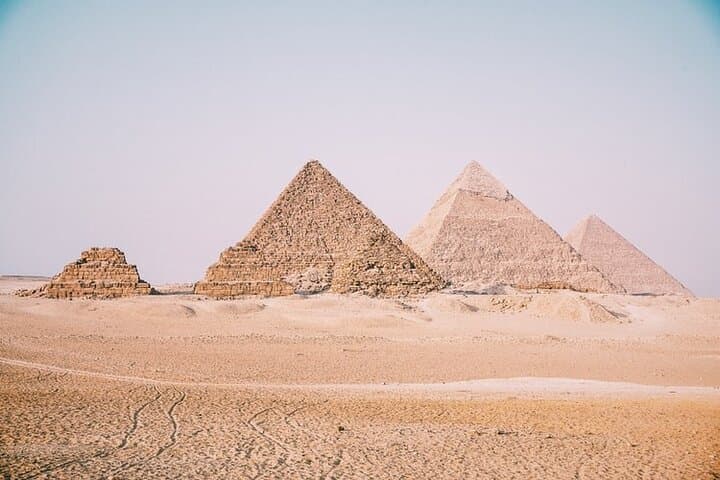
The bus rolls out of Sharm El Sheikh before dawn, headlights carving a ribbon through desert black. By midmorning the Nile’s edge and the layered sandstone of Greater Cairo replace coastal horizon; the city’s heat presses like a living thing, and the plateau at Giza dares you forward. Stepping onto the Giza Plateau, the Great Pyramid looms—an engineered cliff of limestone blocks that has watched the desert for 4,500 years. Nearby, the Sphinx holds its mute, weathered stare while hawks wheel above.
Verified experiences and guided adventures in the surrounding area.
Operated by TripTip Egypt · Cairo, Cairo Governorate
The bus rolls out of Sharm El Sheikh before dawn, headlights carving a ribbon through desert black. By midmorning the Nile’s edge and the layered sandstone of Greater Cairo replace coastal horizon; the city’s heat presses like a living thing, and the plateau at Giza dares you forward. Stepping onto the Giza Plateau, the Great Pyramid looms—an engineered cliff of limestone blocks that has watched the desert for 4,500 years. Nearby, the Sphinx holds its mute, weathered stare while hawks wheel above.
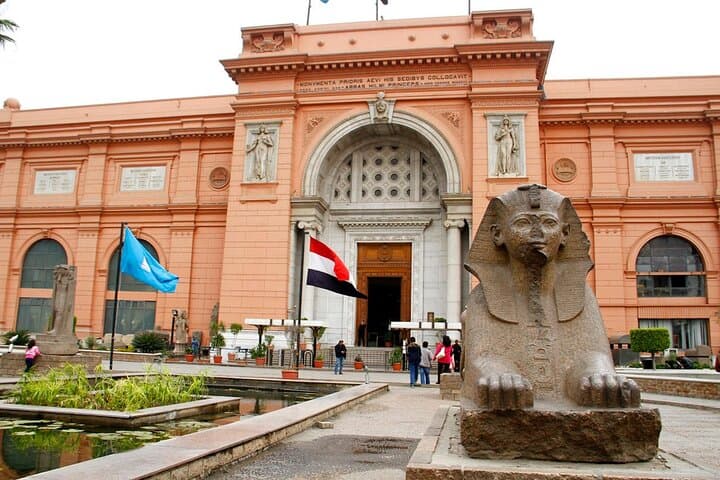
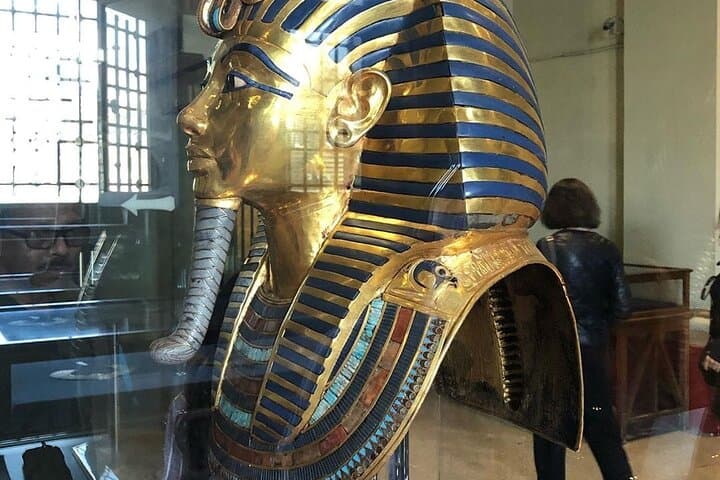
Cairo’s story is visible in stone and exhibit halls. The Egyptian Museum on Tahrir Square collects millennia: statuary, funerary goods, and the gold mask of Tutankhamun. Geologically, the Giza Plateau is a fossil-rich limestone terrace; the monuments were quarried from the very bedrock beneath them. Culturally, modern Cairo is equal parts market life, cafe culture, and centuries of religious and artistic layers; the Papyrus Museum offers a hands-on lesson in how writing and record-keeping shaped Egyptian civilization.
Practical guidance: it’s a long, motorized day—expect early departure and late return. Bring a wide-brim hat, sunscreen, refillable water, and comfortable walking shoes for uneven stone and sand. Carry local currency for tips and small purchases; plan for crowded rooms at the museum and for photo lines at the Sphinx. If you want clearer views, aim to arrive at the pyramids earlier in the afternoon when tour buses thin out. Finally, show restraint around monuments—no climbing on the stones—and follow your guide’s directions to make the most of this compact but intense introduction to ancient Egypt.
easy.
18–20 hours.
Suitable for travelers with the ability to handle long periods seated on a coach plus several hours of light to moderate walking and standing.
Yes — the tour includes air-conditioned coach transport between Sharm El Sheikh and Cairo; confirm your pickup point when booking.
The itinerary lists the Egyptian Museum and Papyrus Museum admission as included; check with the operator about any optional entry (e.g., entering a pyramid interior) which may cost extra on-site.
Expect several hours of walking and standing at the museum and on the Giza Plateau; terrain ranges from smooth museum floors to uneven stone and sand outdoors.
The supplier marks this tour as suitable for all fitness levels and wheelchair accessible in vehicles, but access at some outdoor uneven sites may be limited—check specific needs with the operator before booking.
The Giza pyramids were built in the Fourth Dynasty (around 2600–2500 BCE) as monumental tombs; the Egyptian Museum houses extensive finds from pharaonic tombs, including Tutankhamun’s treasures.
Tourism concentrates wear on the Giza Plateau and urban sites—avoid touching inscriptions or climbing monuments, use refillable water to reduce plastic waste, and support licensed local guides.
TripTip Egypt operates guided outdoor trips and adventures with an emphasis on safety, stewardship, and memorable experiences.
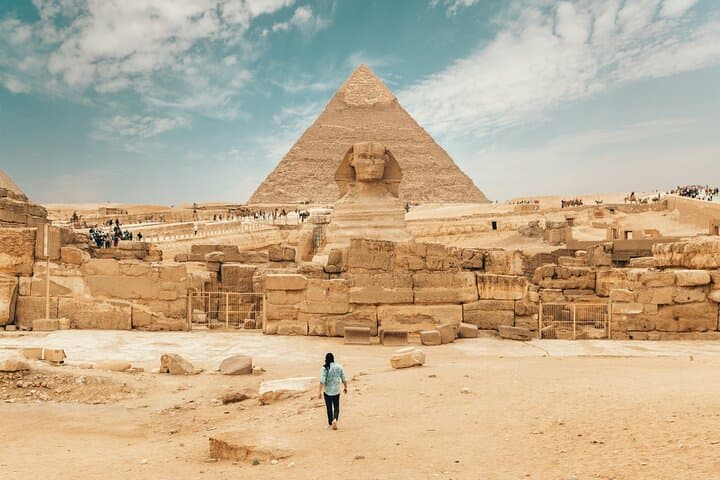
The bus rolls out of Sharm El Sheikh before dawn, headlights carving a ribbon through desert black. By midmorning the Nile’s edge and the layered sandstone of Greater Cairo replace coastal horizon; the city’s heat presses like a living thing, and the plateau at Giza dares you forward. Stepping onto the Giza Plateau, the Great Pyramid looms—an engineered cliff of limestone blocks that has watched the desert for 4,500 years. Nearby, the Sphinx holds its mute, weathered stare while hawks wheel above.
The bus rolls out of Sharm El Sheikh before dawn, headlights carving a ribbon through desert black. By midmorning the Nile’s edge and the layered sandstone of Greater Cairo replace coastal horizon; the city’s heat presses like a living thing, and the plateau at Giza dares you forward. Stepping onto the Giza Plateau, the Great Pyramid looms—an engineered cliff of limestone blocks that has watched the desert for 4,500 years. Nearby, the Sphinx holds its mute, weathered stare while hawks wheel above.
Cairo’s story is visible in stone and exhibit halls. The Egyptian Museum on Tahrir Square collects millennia: statuary, funerary goods, and the gold mask of Tutankhamun. Geologically, the Giza Plateau is a fossil-rich limestone terrace; the monuments were quarried from the very bedrock beneath them. Culturally, modern Cairo is equal parts market life, cafe culture, and centuries of religious and artistic layers; the Papyrus Museum offers a hands-on lesson in how writing and record-keeping shaped Egyptian civilization.
Practical guidance: it’s a long, motorized day—expect early departure and late return. Bring a wide-brim hat, sunscreen, refillable water, and comfortable walking shoes for uneven stone and sand. Carry local currency for tips and small purchases; plan for crowded rooms at the museum and for photo lines at the Sphinx. If you want clearer views, aim to arrive at the pyramids earlier in the afternoon when tour buses thin out. Finally, show restraint around monuments—no climbing on the stones—and follow your guide’s directions to make the most of this compact but intense introduction to ancient Egypt.