THE ADVENTURE COLLECTIVE® · Independent discovery and booking for outdoor travel

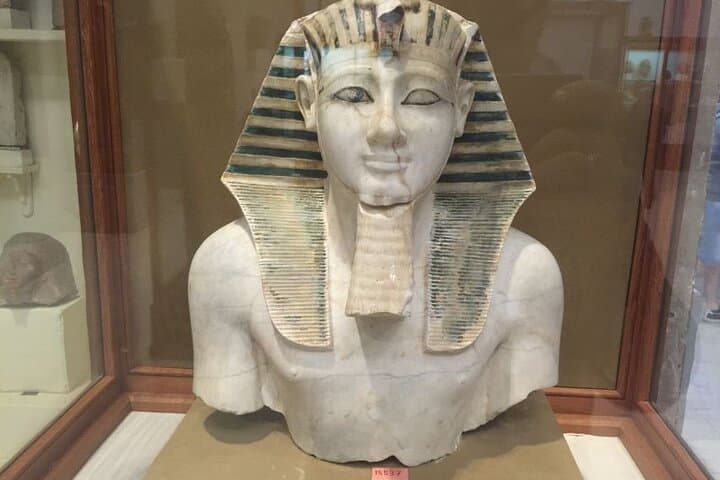
Make a long but rewarding push from Hurghada to Cairo in a single day: see Tutankhamun's treasures at the Egyptian Museum and stand beneath the Great Pyramid and Sphinx. This small-group tour combines guided insight with practical logistics for a compact, full-day immersion in Egypt's ancient core.
Make a long but rewarding push from Hurghada to Cairo in a single day: see Tutankhamun's treasures at the Egyptian Museum and stand beneath the Great Pyramid and Sphinx. This small-group tour combines guided insight with practical logistics for a compact, full-day immersion in Egypt's ancient core.
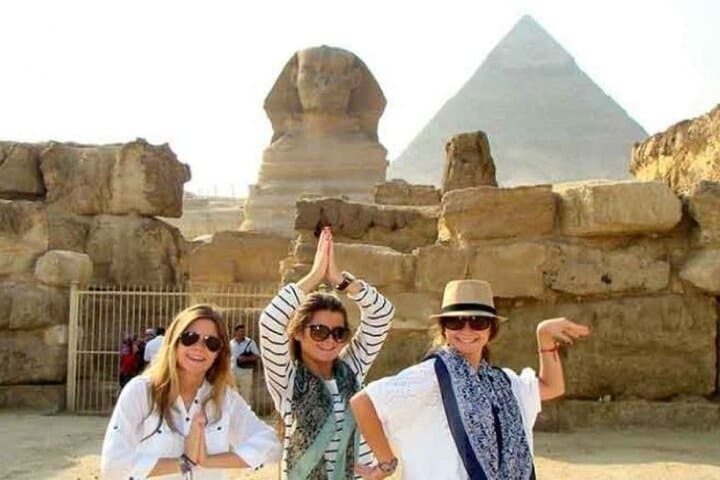
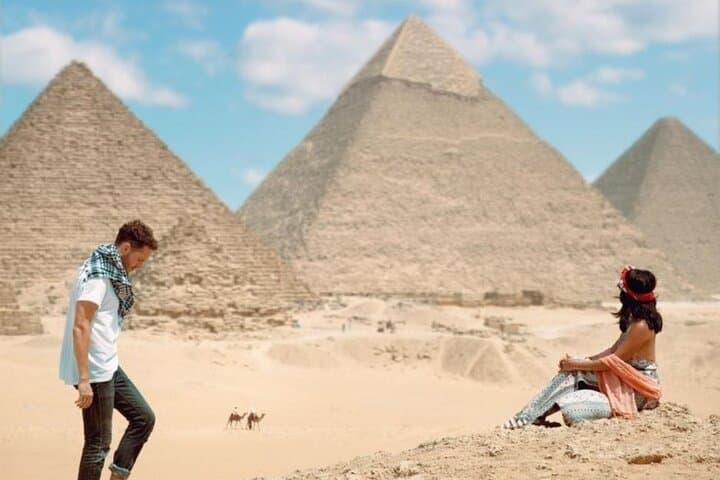
You leave Hurghada before dawn, the desert windowed into long bands of ochre and basalt pushing past the bus. By the time Cairo's skyline sharpens on the horizon, the sun has already set the limestone of the Giza Plateau to a hard, honeyed glow that compels you off the coach and toward the stone giants.
Verified experiences and guided adventures in the surrounding area.
Operated by Dream Voyage · Giza, Cairo Governorate
You leave Hurghada before dawn, the desert windowed into long bands of ochre and basalt pushing past the bus. By the time Cairo's skyline sharpens on the horizon, the sun has already set the limestone of the Giza Plateau to a hard, honeyed glow that compels you off the coach and toward the stone giants.
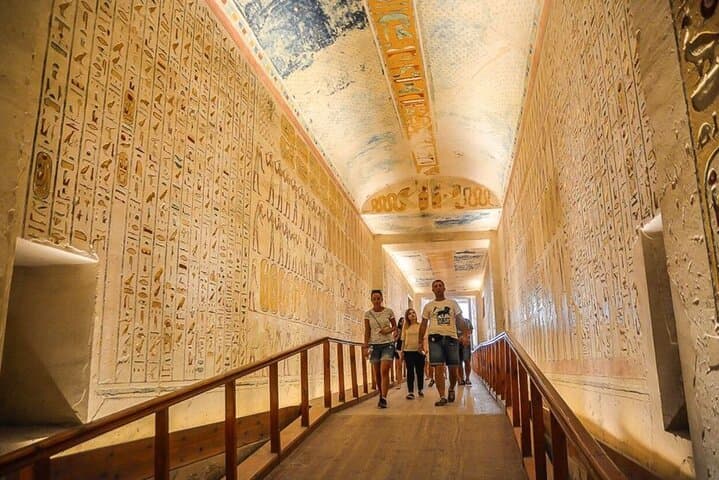
The Egyptian Museum and the Giza Plateau sit at the crossroads of recorded human history. Inside the museum, gilded funerary masks and painted coffins tell the story of dynasties; outside, the Great Pyramid—built around 2560 BCE for Pharaoh Khufu—still challenges engineers and historians. Geologically, the pyramids are quarried local limestone and bedrock, their weathered faces bearing centuries of wind and sand. Culturally, the site is active: vendors, camel handlers, and guides keep rituals of commerce and storytelling alive.
Practical guidance: expect a very long day—most itineraries include a 5–6 hour drive each way from Hurghada—so plan for motion comfort, passport access, and a packed day of walking on uneven stone and packed sand. Dress modestly and in layers for sun and sudden shade; sturdy walking shoes are essential for uneven surfaces around the plateau and Valley Temple. Bring a refillable water bottle and sunscreen; bottled water and a restaurant lunch are typically provided. Time management is key—museum queues and traffic can stretch the schedule; follow your guide's instructions to make the most of limited windows at major sites.
This trip pairs big-picture history with the practicalities of desert travel, delivering a concentrated encounter with Egypt's most famous marks on the landscape.
easy.
18–22 hours.
Minimal fitness required for walking; must tolerate long vehicle travel and several hours on foot over uneven ground.
Yes—this tour lists entry to the Egyptian Museum, the Giza Plateau (pyramids), and the Sphinx as included in the price.
Hotel pick-up and drop-off are offered as optional services—confirm your pickup point when booking.
Plan for roughly 5–6 hours each way depending on traffic and stops; the total day is very long as a result.
Modest, breathable clothing that covers shoulders and knees is recommended for cultural respect; bring layers for air-conditioned vehicles and sun protection for outdoor sites.
The Great Pyramid at Giza dates to c.2560 BCE and was built as a tomb for Pharaoh Khufu; the Egyptian Museum in Cairo holds thousands of artifacts including the treasures of Tutankhamun.
The Giza Plateau is sensitive to foot traffic and vehicle emissions—stick to marked paths, avoid touching fragile stone, and decline antiquities from unregulated vendors to reduce market-driven degradation.
Dream Voyage operates guided outdoor trips and adventures with an emphasis on safety, stewardship, and memorable experiences.
You leave Hurghada before dawn, the desert windowed into long bands of ochre and basalt pushing past the bus. By the time Cairo's skyline sharpens on the horizon, the sun has already set the limestone of the Giza Plateau to a hard, honeyed glow that compels you off the coach and toward the stone giants.
You leave Hurghada before dawn, the desert windowed into long bands of ochre and basalt pushing past the bus. By the time Cairo's skyline sharpens on the horizon, the sun has already set the limestone of the Giza Plateau to a hard, honeyed glow that compels you off the coach and toward the stone giants.
The Egyptian Museum and the Giza Plateau sit at the crossroads of recorded human history. Inside the museum, gilded funerary masks and painted coffins tell the story of dynasties; outside, the Great Pyramid—built around 2560 BCE for Pharaoh Khufu—still challenges engineers and historians. Geologically, the pyramids are quarried local limestone and bedrock, their weathered faces bearing centuries of wind and sand. Culturally, the site is active: vendors, camel handlers, and guides keep rituals of commerce and storytelling alive.
Practical guidance: expect a very long day—most itineraries include a 5–6 hour drive each way from Hurghada—so plan for motion comfort, passport access, and a packed day of walking on uneven stone and packed sand. Dress modestly and in layers for sun and sudden shade; sturdy walking shoes are essential for uneven surfaces around the plateau and Valley Temple. Bring a refillable water bottle and sunscreen; bottled water and a restaurant lunch are typically provided. Time management is key—museum queues and traffic can stretch the schedule; follow your guide's instructions to make the most of limited windows at major sites.
This trip pairs big-picture history with the practicalities of desert travel, delivering a concentrated encounter with Egypt's most famous marks on the landscape.