THE ADVENTURE COLLECTIVE® · Independent discovery and booking for outdoor travel

A full-day private transfer from Alexandria Port delivers the Pyramids of Giza, a relaxing felucca on the Nile, historic mosques, and an hour to explore Khan El-Khalili—packed into a long but manageable itinerary.
A full-day private transfer from Alexandria Port delivers the Pyramids of Giza, a relaxing felucca on the Nile, historic mosques, and an hour to explore Khan El-Khalili—packed into a long but manageable itinerary.
You leave the bustle of Alexandria Port and push inland as the Mediterranean light thins, the highway unspooling toward Cairo. By midmorning the Great Pyramids rise ahead—stone faces older than most maps—and the Sphinx watches the stream of visitors with slow patience. Later, the Nile offers a softer pace: a felucca’s sail fills and the river teases you forward, the current nudging the city’s edge.
Verified experiences and guided adventures in the surrounding area.
Operated by NORTH AFRICAN SHIPPING AND TOURISM COMPANY (NASCO TOURS) · Cairo, Cairo Governorate
You leave the bustle of Alexandria Port and push inland as the Mediterranean light thins, the highway unspooling toward Cairo. By midmorning the Great Pyramids rise ahead—stone faces older than most maps—and the Sphinx watches the stream of visitors with slow patience. Later, the Nile offers a softer pace: a felucca’s sail fills and the river teases you forward, the current nudging the city’s edge.
This itinerary stitches together millennia: Pharaonic tombs at Giza, Islamic Cairo’s layered neighborhoods where Mamluk and Ottoman architecture rub shoulders, and the 9th-century Ibn Tulun Mosque—one of Cairo’s oldest surviving monumental complexes. Geologically, the plateau of Giza is a wind-polished limestone scarp that preserves ancient quarrying; culturally, Khan El-Khalili market remains a living commercial quarter where coffeehouses and metalworkers keep old trades visible.
Practical guidance is straightforward. The day is long—expect a 3-hour drive each way—so bring water, sun protection, and a light layer for early morning or evening breeze on the Nile. Footwear should handle sand, cobbles, and uneven mosque floors. Bring passport and printed or mobile tickets; some sites require bag checks and modest dress at religious sites. Lunch at Le Pacha breaks the day with river views and a chance to rest before the museum visits. Allow time in Khan El-Khalili for bargaining and small purchases; carry local currency and keep valuables secure.
The rhythm of this trip alternates brisk walking, short transfers, and calm river time—organized for maximum exposure to Cairo’s key sights in a single, full day.
easy.
13–14 hours.
Suitable for travelers who can handle a long day with short walks on uneven terrain and staircases.
Plan on roughly three hours each way depending on traffic; the full excursion is about 13–14 hours.
Pyramids, the felucca, and the Gayer Anderson Museum admissions are included per the itinerary, but optional extras and gratuities are not.
The tour is listed as easy, but expect uneven ground, steps, and some walking—assistive mobility may be limited at certain historic sites.
Many stalls are cash-only; carry small Egyptian pound notes for purchases and bargaining.
The Giza plateau’s pyramids date to around 2500 BCE; Ibn Tulun Mosque, begun in the 9th century, is one of Cairo’s oldest standing mosques and shows early Abbasid influences.
Visitor pressure at the Pyramids and in old Cairo requires responsible behavior—avoid touching fragile stones, take litter with you, and follow guide instructions to minimize impact.
NORTH AFRICAN SHIPPING AND TOURISM COMPANY (NASCO TOURS) operates guided outdoor trips and adventures with an emphasis on safety, stewardship, and memorable experiences.
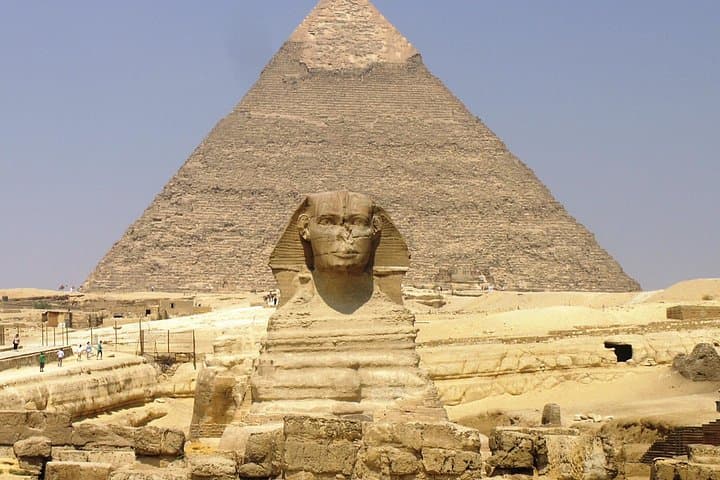
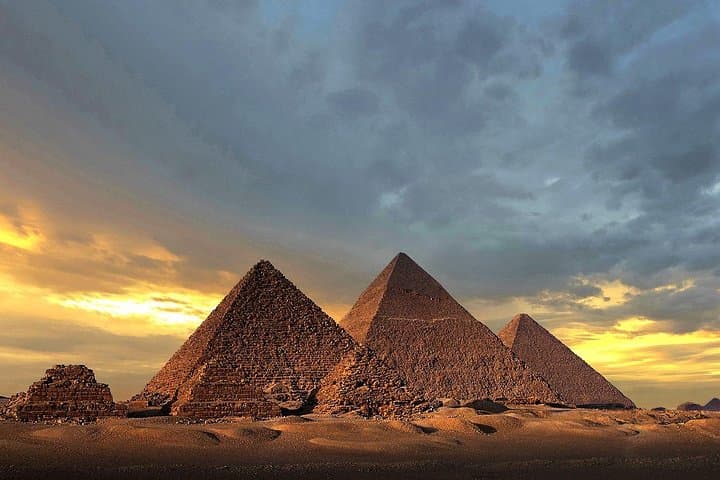
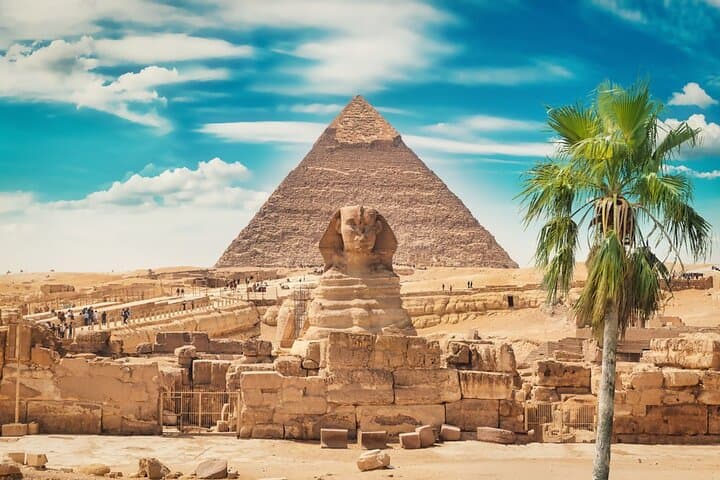
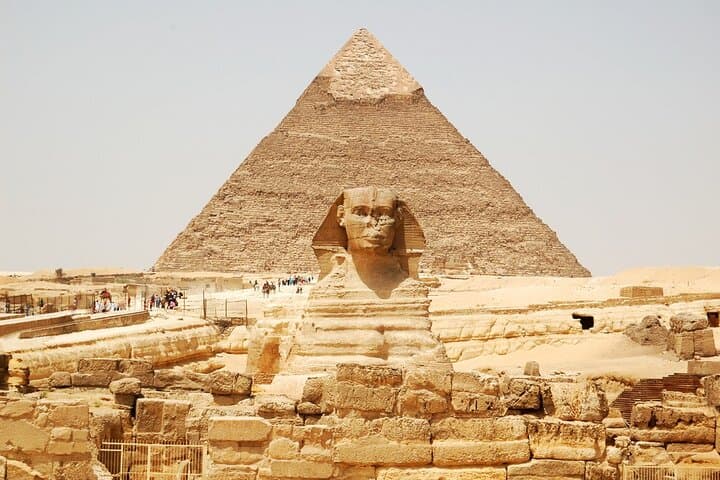
You leave the bustle of Alexandria Port and push inland as the Mediterranean light thins, the highway unspooling toward Cairo. By midmorning the Great Pyramids rise ahead—stone faces older than most maps—and the Sphinx watches the stream of visitors with slow patience. Later, the Nile offers a softer pace: a felucca’s sail fills and the river teases you forward, the current nudging the city’s edge.
You leave the bustle of Alexandria Port and push inland as the Mediterranean light thins, the highway unspooling toward Cairo. By midmorning the Great Pyramids rise ahead—stone faces older than most maps—and the Sphinx watches the stream of visitors with slow patience. Later, the Nile offers a softer pace: a felucca’s sail fills and the river teases you forward, the current nudging the city’s edge.
This itinerary stitches together millennia: Pharaonic tombs at Giza, Islamic Cairo’s layered neighborhoods where Mamluk and Ottoman architecture rub shoulders, and the 9th-century Ibn Tulun Mosque—one of Cairo’s oldest surviving monumental complexes. Geologically, the plateau of Giza is a wind-polished limestone scarp that preserves ancient quarrying; culturally, Khan El-Khalili market remains a living commercial quarter where coffeehouses and metalworkers keep old trades visible.
Practical guidance is straightforward. The day is long—expect a 3-hour drive each way—so bring water, sun protection, and a light layer for early morning or evening breeze on the Nile. Footwear should handle sand, cobbles, and uneven mosque floors. Bring passport and printed or mobile tickets; some sites require bag checks and modest dress at religious sites. Lunch at Le Pacha breaks the day with river views and a chance to rest before the museum visits. Allow time in Khan El-Khalili for bargaining and small purchases; carry local currency and keep valuables secure.
The rhythm of this trip alternates brisk walking, short transfers, and calm river time—organized for maximum exposure to Cairo’s key sights in a single, full day.