THE ADVENTURE COLLECTIVE® · Independent discovery and booking for outdoor travel

Fly from Sharm El Sheikh to Cairo for a focused day among the Giza Pyramids, the Sphinx and the Egyptian Museum. This private guided tour packs the city’s most iconic antiquities into a ten-hour cultural sprint.
Fly from Sharm El Sheikh to Cairo for a focused day among the Giza Pyramids, the Sphinx and the Egyptian Museum. This private guided tour packs the city’s most iconic antiquities into a ten-hour cultural sprint.
You step off the plane into a different light: Cairo’s air carries dust and history, the Nile threading the city like a ribbon that still insists on moving people and things forward.
Verified experiences and guided adventures in the surrounding area.
Operated by Koki Egypt Travel · Giza, Giza Governorate
You step off the plane into a different light: Cairo’s air carries dust and history, the Nile threading the city like a ribbon that still insists on moving people and things forward.
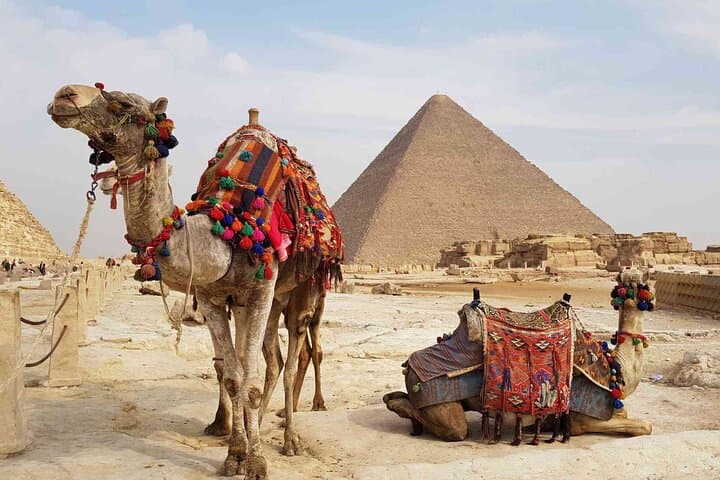
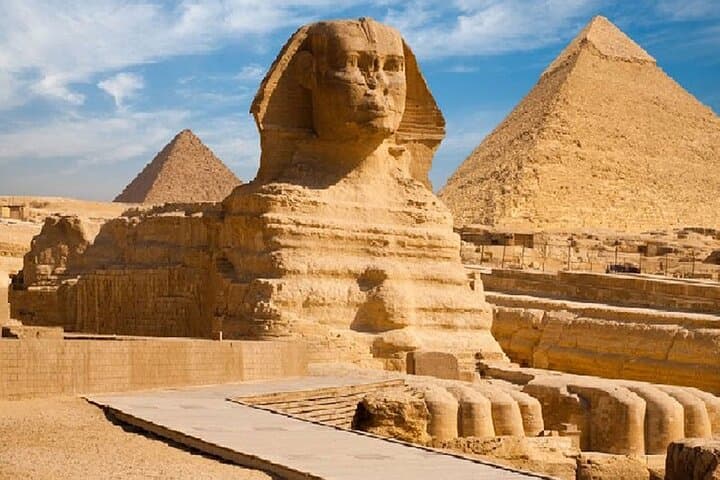
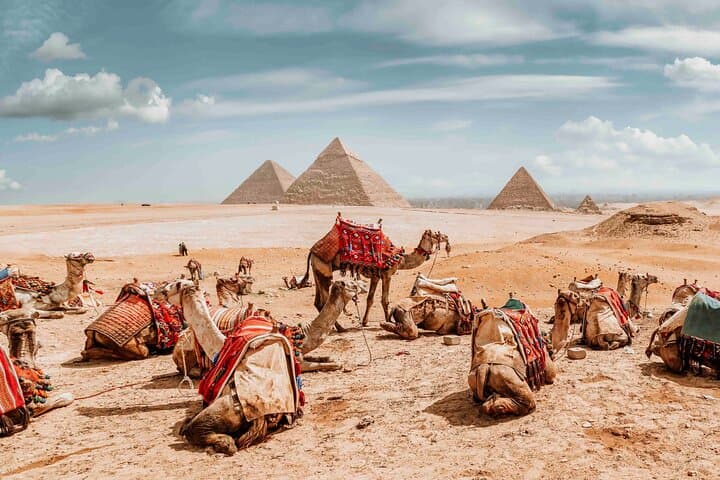
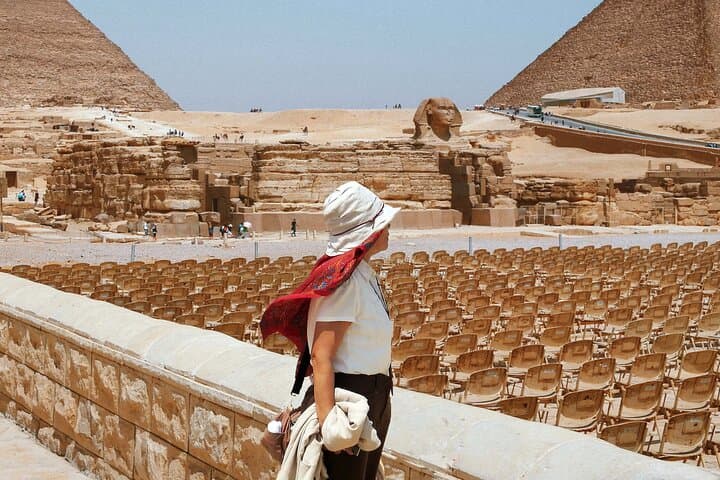
The day opens with a private transfer from Cairo Airport to the Giza Plateau, where three colossal stone triangles—the Great Pyramids of Khufu, Khafre and Menkaure—rise from bedrock and desert scree. Walk the plateau and feel the scale: quarried limestone laid with millimeter precision some 4,500 years ago, a feat of engineering tied to ancient funerary ritual and celestial alignment.
Beyond geology, this is layered culture — pharaonic mortuary complexes, a Sphinx that keeps its silent watch, and the Egyptian Museum holding Tutankhamun’s gold and everyday objects that sketch the rhythms of ancient life. Finish with Khan el-Khalili’s alleys where glass, brass, and coffee vendors keep patterns of trade alive.
Practical guidance: it’s a long, structured day (roughly 10 hours) with airport transfers and internal flights, so plan for early pickup and late return. Expect paved and sandy surfaces; comfortable walking shoes are essential. Bring a photocopy of your passport and the original for security checks, carry cash for small purchases and tipping, and pack sun protection and water—the Egyptian sun will press you for attention.
This itinerary is private and guided, making logistics straightforward, but treat the sites with care: don’t climb monuments, follow your guide’s instructions for photography and entry, and leave no trace on archaeological areas.
moderate.
10 hours.
Basic fitness for several hours of walking on uneven ground and steps; suitable for most travelers who can stand and walk for multiple short stretches.
Visa requirements depend on your nationality—check Egypt’s current visa policy and secure any required entry documents before travel.
The tour includes the standard entry fees specified at booking, but some optional areas (e.g., pyramid interior or special exhibits) may require extra payment on site.
Expect several short walks across uneven ground at Giza and about 1–2 hours in the Egyptian Museum; total tour time is around 10 hours including flights and transfers.
Lunch at a local restaurant is included; bottled water is provided but bring a refillable bottle if you prefer more supply during the day.
The Giza pyramids date to the Fourth Dynasty (~2600–2500 BCE) and were constructed as part of complex funerary landscapes linked to Egyptian beliefs about kingship and the afterlife.
Sites are protected and visitor behavior is regulated—avoid climbing monuments, stay on designated paths, and support local conservation by not leaving litter or purchasing illicit antiquities.
Koki Egypt Travel operates guided outdoor trips and adventures with an emphasis on safety, stewardship, and memorable experiences.
You step off the plane into a different light: Cairo’s air carries dust and history, the Nile threading the city like a ribbon that still insists on moving people and things forward.
You step off the plane into a different light: Cairo’s air carries dust and history, the Nile threading the city like a ribbon that still insists on moving people and things forward.
The day opens with a private transfer from Cairo Airport to the Giza Plateau, where three colossal stone triangles—the Great Pyramids of Khufu, Khafre and Menkaure—rise from bedrock and desert scree. Walk the plateau and feel the scale: quarried limestone laid with millimeter precision some 4,500 years ago, a feat of engineering tied to ancient funerary ritual and celestial alignment.
Beyond geology, this is layered culture — pharaonic mortuary complexes, a Sphinx that keeps its silent watch, and the Egyptian Museum holding Tutankhamun’s gold and everyday objects that sketch the rhythms of ancient life. Finish with Khan el-Khalili’s alleys where glass, brass, and coffee vendors keep patterns of trade alive.
Practical guidance: it’s a long, structured day (roughly 10 hours) with airport transfers and internal flights, so plan for early pickup and late return. Expect paved and sandy surfaces; comfortable walking shoes are essential. Bring a photocopy of your passport and the original for security checks, carry cash for small purchases and tipping, and pack sun protection and water—the Egyptian sun will press you for attention.
This itinerary is private and guided, making logistics straightforward, but treat the sites with care: don’t climb monuments, follow your guide’s instructions for photography and entry, and leave no trace on archaeological areas.