THE ADVENTURE COLLECTIVE® · Independent discovery and booking for outdoor travel

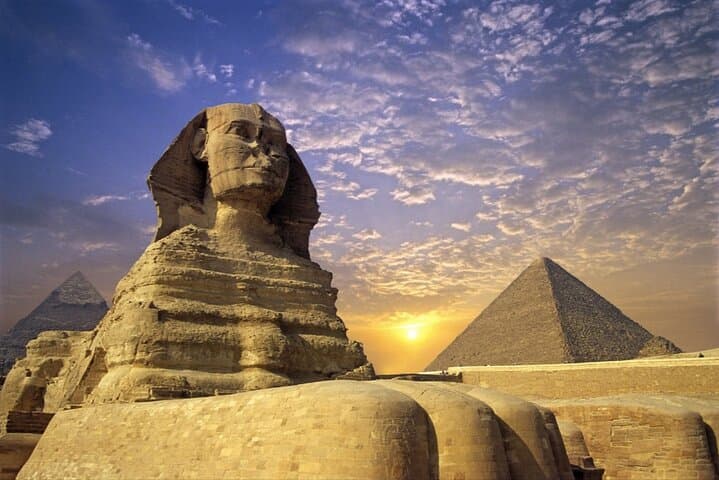
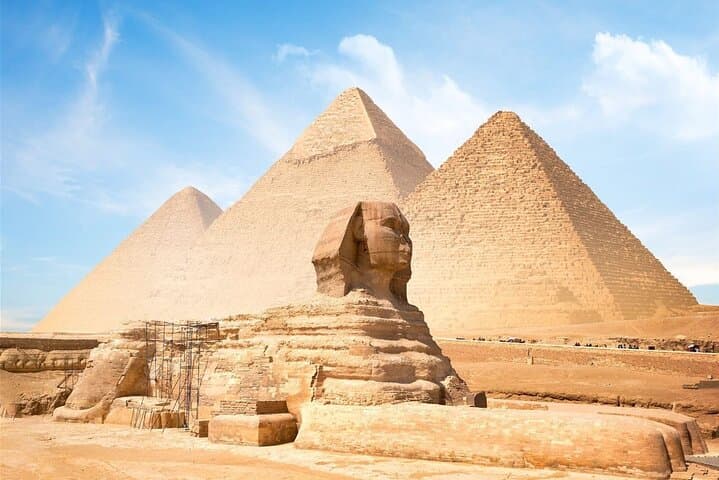
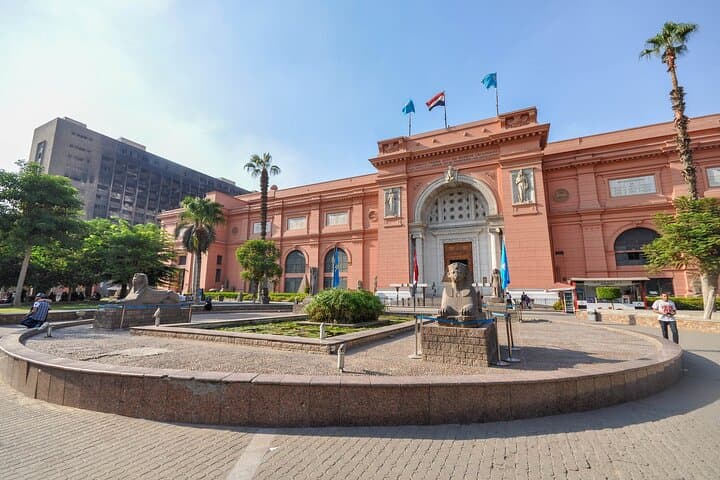
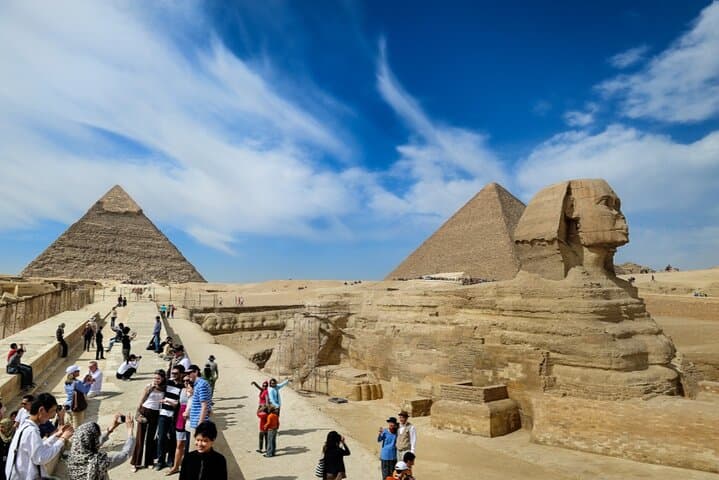
Make a long but efficient run from Sharm el Sheikh to Cairo to see the Egyptian Museum, the Giza pyramids and the Great Sphinx in a single day. This coach tour compresses major Pharaonic highlights into one intense, well-organized outing.
Make a long but efficient run from Sharm el Sheikh to Cairo to see the Egyptian Museum, the Giza pyramids and the Great Sphinx in a single day. This coach tour compresses major Pharaonic highlights into one intense, well-organized outing.
Dawn finds the coach easing out of Sharm el Sheikh while the Red Sea light softens. The road north unfolds for most of the day — a long seam of desert that frames the promise of Cairo: the Egyptian Museum’s galleries, the broad sweep of the Giza Plateau, and the sphinx that watches the plain.
Verified experiences and guided adventures in the surrounding area.
Operated by Get Egypt Vacation · Cairo, Cairo Governorate
Dawn finds the coach easing out of Sharm el Sheikh while the Red Sea light softens. The road north unfolds for most of the day — a long seam of desert that frames the promise of Cairo: the Egyptian Museum’s galleries, the broad sweep of the Giza Plateau, and the sphinx that watches the plain.
Cairo is layered history: Pharaonic monuments carved from limestone and sandstone, later Roman roads, and medieval Islamic quarters. Geologically, the Giza Plateau is a mesa of Miocene limestone; the pyramids rise from bedrock quarried on site. Visitors follow worn desert tracks and paved viewing areas, with 1–3 km of walking at Giza and museum routes that can absorb two hours or more.
Culturally, the day balances brisk touring with moments to observe local life — vendors near the plateau, tea houses in Cairo, and the bustle around Tahrir Square. The itinerary compresses major sites into a single long day; expect early mornings, long coach stretches (roughly 6–7 hours each way, ~480–500 km), and concentrated time at each stop.
Practical guidance: pack sun protection, layers for a cool evening return, and comfortable walking shoes for uneven limestone paths. Bring photocopies of travel documents for museum entry and small local currency for tips or quick purchases. Prioritize hydration and pacing — the day is more endurance than technical skill. For travelers seeking a compact cultural sprint through Egypt’s essentials, this bus day trip delivers big sights with clear logistics and minimal planning fuss.
moderate.
12–18 hours.
Good stamina for a long day of travel and repeated short walks; not technically demanding.
Expect approximately 6–7 hours each way by coach (about 480–500 km), depending on traffic and stops.
This tour’s listed inclusions indicate entrance fees to the mentioned sites are covered.
Yes — camel and horseback options are typically available on the plateau through local handlers; confirm timing and pricing with your guide.
The tour is labeled suitable for all fitness levels; infants must sit on an adult’s lap. The long travel day may be tiring for very young children.
The Giza pyramids date to the Fourth Dynasty (c. 2600–2500 BCE); much of Cairo later developed around medieval and Islamic centers built on older Nilotic and Roman foundations.
Stay on designated paths, avoid touching ancient stonework, and decline items sold as archaeological fragments; preserving fragile surfaces reduces cumulative wear.
Get Egypt Vacation operates guided outdoor trips and adventures with an emphasis on safety, stewardship, and memorable experiences.
Dawn finds the coach easing out of Sharm el Sheikh while the Red Sea light softens. The road north unfolds for most of the day — a long seam of desert that frames the promise of Cairo: the Egyptian Museum’s galleries, the broad sweep of the Giza Plateau, and the sphinx that watches the plain.
Dawn finds the coach easing out of Sharm el Sheikh while the Red Sea light softens. The road north unfolds for most of the day — a long seam of desert that frames the promise of Cairo: the Egyptian Museum’s galleries, the broad sweep of the Giza Plateau, and the sphinx that watches the plain.
Cairo is layered history: Pharaonic monuments carved from limestone and sandstone, later Roman roads, and medieval Islamic quarters. Geologically, the Giza Plateau is a mesa of Miocene limestone; the pyramids rise from bedrock quarried on site. Visitors follow worn desert tracks and paved viewing areas, with 1–3 km of walking at Giza and museum routes that can absorb two hours or more.
Culturally, the day balances brisk touring with moments to observe local life — vendors near the plateau, tea houses in Cairo, and the bustle around Tahrir Square. The itinerary compresses major sites into a single long day; expect early mornings, long coach stretches (roughly 6–7 hours each way, ~480–500 km), and concentrated time at each stop.
Practical guidance: pack sun protection, layers for a cool evening return, and comfortable walking shoes for uneven limestone paths. Bring photocopies of travel documents for museum entry and small local currency for tips or quick purchases. Prioritize hydration and pacing — the day is more endurance than technical skill. For travelers seeking a compact cultural sprint through Egypt’s essentials, this bus day trip delivers big sights with clear logistics and minimal planning fuss.