THE ADVENTURE COLLECTIVE® · Independent discovery and booking for outdoor travel

Spend a full day moving between the timeless Giza Plateau and the crowded, artifact-packed halls of the Egyptian Museum. This guided tour combines up-close pyramid access with museum context—plan for heat, uneven ground, and a rewarding crash course in ancient engineering.
Spend a full day moving between the timeless Giza Plateau and the crowded, artifact-packed halls of the Egyptian Museum. This guided tour combines up-close pyramid access with museum context—plan for heat, uneven ground, and a rewarding crash course in ancient engineering.
You arrive as the city wakes: traffic thins, the heat is still soft, and the Giza Plateau rises like a stubborn memory on the western horizon. Walking toward the three great pyramids, the limestone underfoot shifts between packed pathways and wind-blown sand; the Sphinx watches with a chipped, immovable calm while vendors and guides orbit the monuments.
Verified experiences and guided adventures in the surrounding area.
Operated by Egypt-booking.com · Cairo, Cairo
You arrive as the city wakes: traffic thins, the heat is still soft, and the Giza Plateau rises like a stubborn memory on the western horizon. Walking toward the three great pyramids, the limestone underfoot shifts between packed pathways and wind-blown sand; the Sphinx watches with a chipped, immovable calm while vendors and guides orbit the monuments.
The pyramids date to Egypt’s Old Kingdom—Khufu’s Great Pyramid alone was finished around 2560 BCE—and stand on a bedrock quarried and shaped by ancient hands. The Egyptian Museum in Tahrir holds five millennia of artifacts, from funerary goods to the glittering treasures recovered from Tutankhamun’s tomb, giving context to the stone giants outside town.
Expect about 5–7 hours of on-foot exploration with pauses for photos, a sit-down lunch, and time inside the museum. Terrain at Giza alternates firm, sandy trails and short paved sections; the museum is wheelchair accessible in main galleries but historic buildings can have uneven thresholds. The sun presses down on open plateau—start early to avoid midday heat, carry at least 1.5 liters of water per person, and wear closed shoes for walking over stones and hidden rubble.
Bring a camera with zoom for distant reliefs and a light daypack for purchases and layers. Use licensed guides to deepen the visit—local guides can explain architectural tricks like internal corridors and the purpose-built Valley Temple beside the Sphinx. Finally, respect ropes and signage, and leave artifacts untouched: these sites last when visitors follow simple, steady care.
easy.
5–7 hours.
Suitable for most fitness levels; involves several hours of walking with short climbs and uneven ground
Most tour prices are for guiding and transport; entrance fees to the pyramids or museum may be extra—confirm at booking.
The tour is family-friendly; strollers can be used in many areas but expect sand and steps near monuments.
Interior access is often limited and may require a separate ticket or time slot—ask the operator in advance.
Typical duration is 5–7 hours with hotel pickup and drop-off included in most bookings; confirm pickup time when you book.
The Giza pyramids were built during Egypt’s Fourth Dynasty as monumental tombs, while the Egyptian Museum houses artifacts spanning pharaonic dynasties including Tutankhamun’s burial trove.
Tourism stresses fragile stonework and museum preservation; stay behind barriers, avoid touching carvings, and use licensed guides who follow local conservation rules.
Egypt-booking.com operates guided outdoor trips and adventures with an emphasis on safety, stewardship, and memorable experiences.
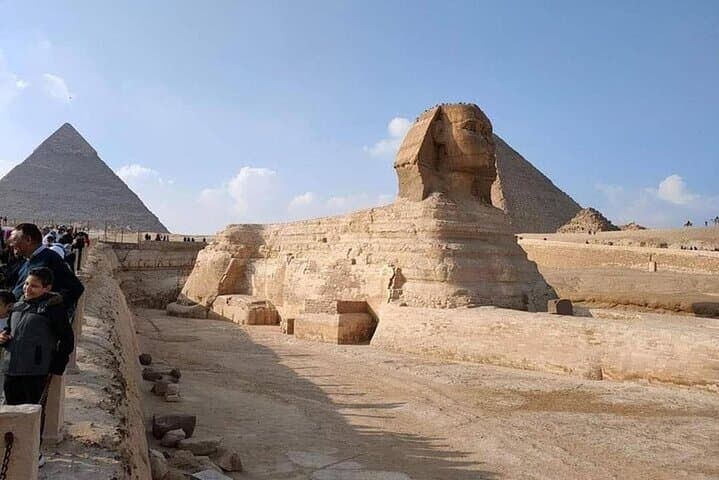
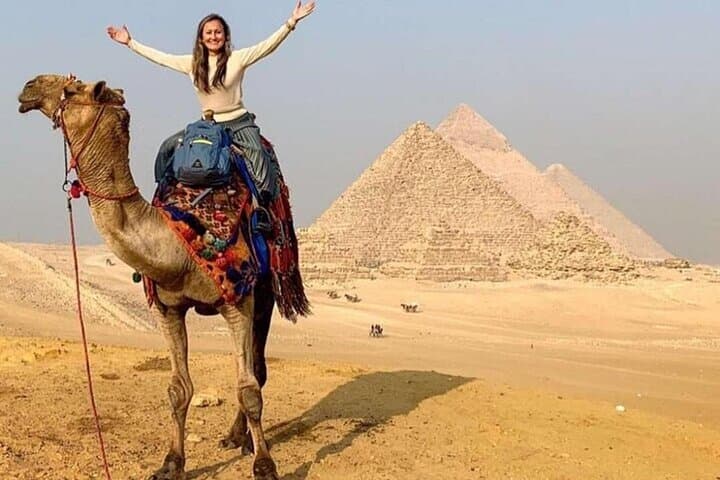
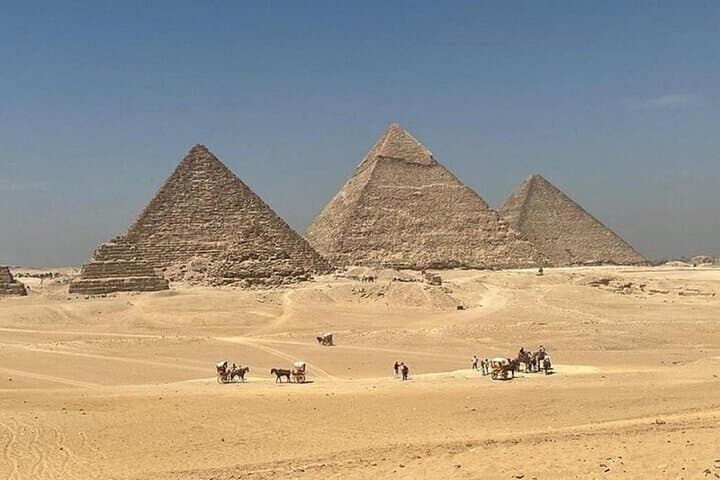
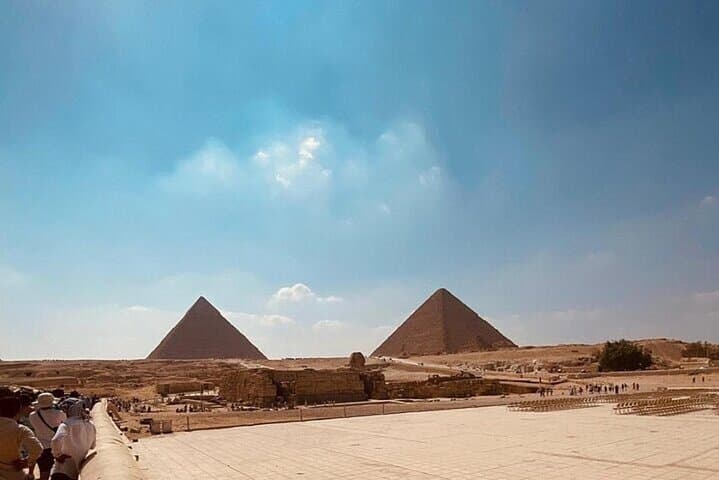
You arrive as the city wakes: traffic thins, the heat is still soft, and the Giza Plateau rises like a stubborn memory on the western horizon. Walking toward the three great pyramids, the limestone underfoot shifts between packed pathways and wind-blown sand; the Sphinx watches with a chipped, immovable calm while vendors and guides orbit the monuments.
You arrive as the city wakes: traffic thins, the heat is still soft, and the Giza Plateau rises like a stubborn memory on the western horizon. Walking toward the three great pyramids, the limestone underfoot shifts between packed pathways and wind-blown sand; the Sphinx watches with a chipped, immovable calm while vendors and guides orbit the monuments.
The pyramids date to Egypt’s Old Kingdom—Khufu’s Great Pyramid alone was finished around 2560 BCE—and stand on a bedrock quarried and shaped by ancient hands. The Egyptian Museum in Tahrir holds five millennia of artifacts, from funerary goods to the glittering treasures recovered from Tutankhamun’s tomb, giving context to the stone giants outside town.
Expect about 5–7 hours of on-foot exploration with pauses for photos, a sit-down lunch, and time inside the museum. Terrain at Giza alternates firm, sandy trails and short paved sections; the museum is wheelchair accessible in main galleries but historic buildings can have uneven thresholds. The sun presses down on open plateau—start early to avoid midday heat, carry at least 1.5 liters of water per person, and wear closed shoes for walking over stones and hidden rubble.
Bring a camera with zoom for distant reliefs and a light daypack for purchases and layers. Use licensed guides to deepen the visit—local guides can explain architectural tricks like internal corridors and the purpose-built Valley Temple beside the Sphinx. Finally, respect ropes and signage, and leave artifacts untouched: these sites last when visitors follow simple, steady care.