THE ADVENTURE COLLECTIVE® · Independent discovery and booking for outdoor travel

Spend a full day with an Egyptologist exploring Cairo’s three essentials: the Egyptian Museum, Giza’s pyramids and the bustling Khan El Khalili bazaar. This guided route pairs monumental history with practical tips for navigating crowds, heat and local customs.
Spend a full day with an Egyptologist exploring Cairo’s three essentials: the Egyptian Museum, Giza’s pyramids and the bustling Khan El Khalili bazaar. This guided route pairs monumental history with practical tips for navigating crowds, heat and local customs.
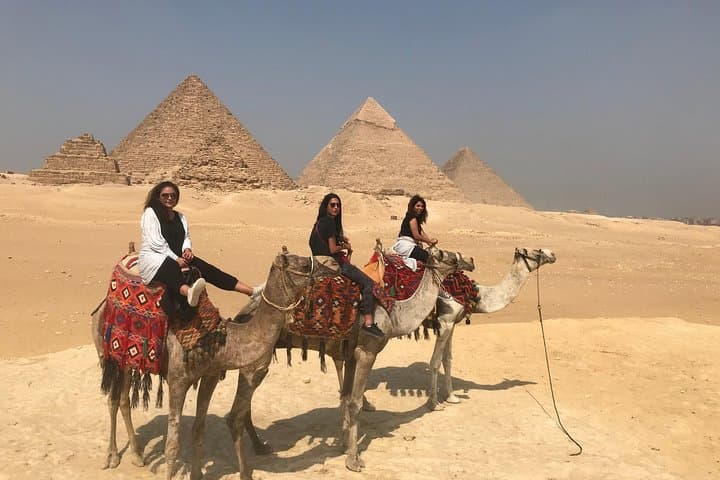
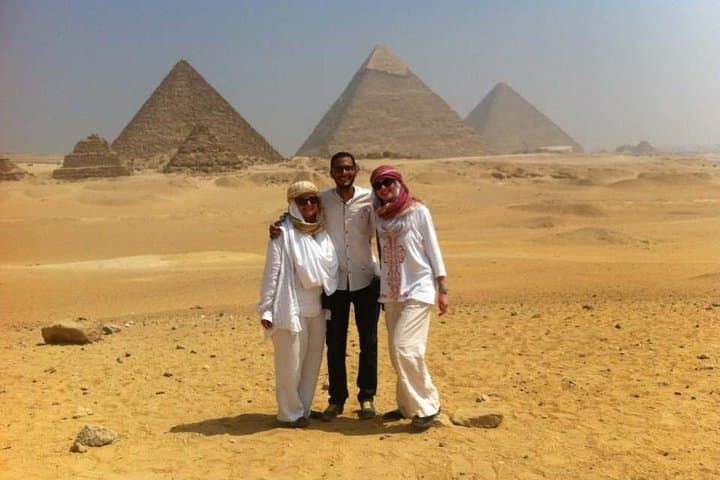
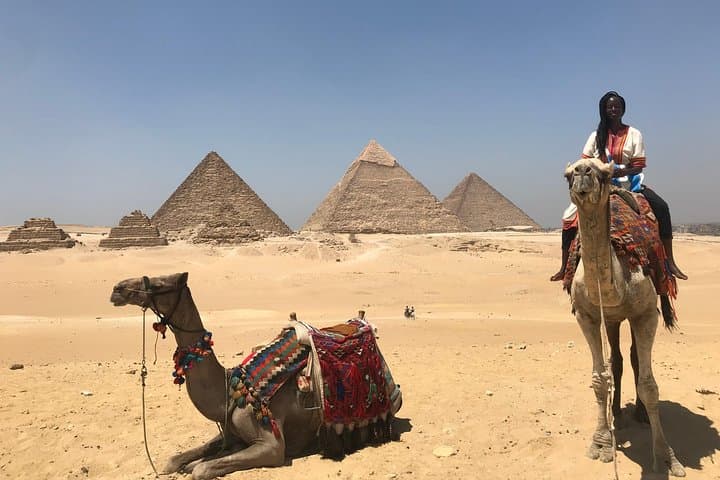
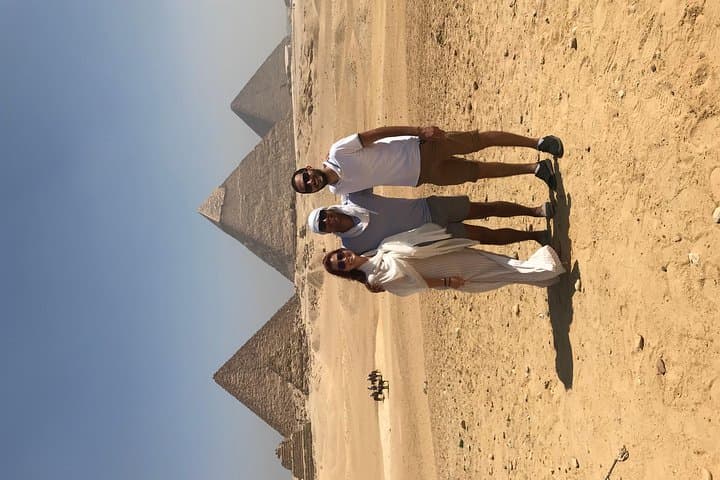
You arrive at the edge of the Giza plateau at first light, the limestone giants throwing long shadows across baked sand while the Sphinx watches like an immovable guard. The day moves with that same deliberate pace: an Egyptologist meets the group, stories threaded through stone and papyrus, and the city’s pulse — car horns, vendors, the call to prayer — threads the edges of the landscape.
Verified experiences and guided adventures in the surrounding area.
Operated by Egypt Pyramids Tours - Private Day Tours · Cairo, Cairo Governorate
You arrive at the edge of the Giza plateau at first light, the limestone giants throwing long shadows across baked sand while the Sphinx watches like an immovable guard. The day moves with that same deliberate pace: an Egyptologist meets the group, stories threaded through stone and papyrus, and the city’s pulse — car horns, vendors, the call to prayer — threads the edges of the landscape.
The Egyptian Museum in Tahrir anchors the morning: five millennia of funerary art, Tutankhamen’s gold and wooden boats, and cataloged fragments of pharaonic life. Geology and engineering take center stage at the pyramids — quarried limestone and granite stacked with near-impossible precision, their angles timed to the heavens by ancient surveyors. Khan El Khalili in the afternoon is Cairo’s living market: brassware, perfumes and coffeehouses where Ottoman and medieval Cairo ripple through modern transactions.
Expect dusty walking, uneven stone steps, and crowds at major sights. Photography rules differ between halls; always check signage and follow your guide’s instructions. Hydrate often, wear closed shoes for the plateau and light layers for shifting heat between sun and shaded alleys.
Cultural notes: bargaining is normal in bazaars, and modest dress shows respect at mosque-adjacent sites. Timing matters — early starts dodge the worst heat and busiest crowds. Practical preparation keeps the focus on the experience: listening to the guide, pacing through the museum, and letting the desert’s silence speak alongside the artifacts.
moderate.
6 hours.
Light- to moderate-level fitness: able to walk several hours, climb steps and navigate uneven ground.
Yes — the tour includes entrance fees to the Egyptian Museum and Giza plateau sites as stated in the itinerary.
Access inside the Great Pyramid is often limited and subject to change; your guide will confirm availability on the day of the tour.
Yes — private air-conditioned vehicle pickup and drop-off from hotels in Cairo or Giza is included.
The tour is suitable for most fitness levels, but the Giza plateau involves uneven terrain and steps; notify the operator about mobility needs when booking.
Cairo grew from medieval Islamic capitals layered atop pharaonic and Greco-Roman sites; the pyramids predate the city by millennia, marking ancient burial practices and monumental engineering.
Preservation is ongoing—visitor behaviors (no climbing on monuments, staying on marked paths) directly reduce wear; follow guide rules and avoid touching fragile artifacts.
Egypt Pyramids Tours - Private Day Tours operates guided outdoor trips and adventures with an emphasis on safety, stewardship, and memorable experiences.
You arrive at the edge of the Giza plateau at first light, the limestone giants throwing long shadows across baked sand while the Sphinx watches like an immovable guard. The day moves with that same deliberate pace: an Egyptologist meets the group, stories threaded through stone and papyrus, and the city’s pulse — car horns, vendors, the call to prayer — threads the edges of the landscape.
You arrive at the edge of the Giza plateau at first light, the limestone giants throwing long shadows across baked sand while the Sphinx watches like an immovable guard. The day moves with that same deliberate pace: an Egyptologist meets the group, stories threaded through stone and papyrus, and the city’s pulse — car horns, vendors, the call to prayer — threads the edges of the landscape.
The Egyptian Museum in Tahrir anchors the morning: five millennia of funerary art, Tutankhamen’s gold and wooden boats, and cataloged fragments of pharaonic life. Geology and engineering take center stage at the pyramids — quarried limestone and granite stacked with near-impossible precision, their angles timed to the heavens by ancient surveyors. Khan El Khalili in the afternoon is Cairo’s living market: brassware, perfumes and coffeehouses where Ottoman and medieval Cairo ripple through modern transactions.
Expect dusty walking, uneven stone steps, and crowds at major sights. Photography rules differ between halls; always check signage and follow your guide’s instructions. Hydrate often, wear closed shoes for the plateau and light layers for shifting heat between sun and shaded alleys.
Cultural notes: bargaining is normal in bazaars, and modest dress shows respect at mosque-adjacent sites. Timing matters — early starts dodge the worst heat and busiest crowds. Practical preparation keeps the focus on the experience: listening to the guide, pacing through the museum, and letting the desert’s silence speak alongside the artifacts.