THE ADVENTURE COLLECTIVE® · Independent discovery and booking for outdoor travel

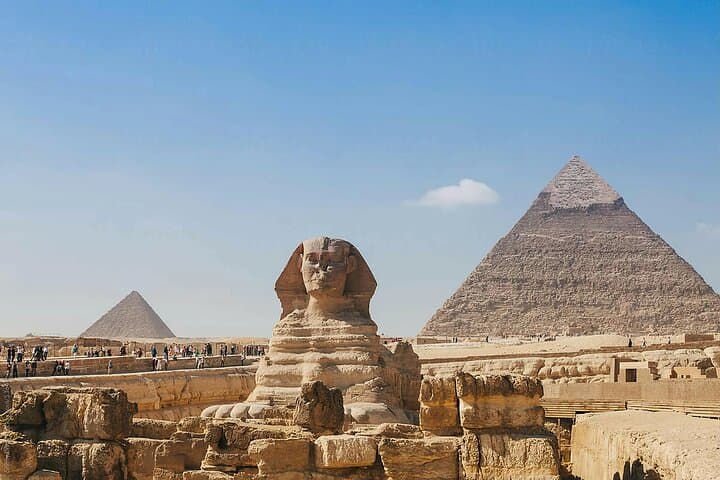
Spend a long but rewarding day traveling by bus from Sharm El Sheikh to Cairo to see the Giza Pyramids, Sphinx and the Egyptian Museum. This full-day excursion combines guided history with a heavy dose of road time—plan for early starts and plenty of sun protection.
Spend a long but rewarding day traveling by bus from Sharm El Sheikh to Cairo to see the Giza Pyramids, Sphinx and the Egyptian Museum. This full-day excursion combines guided history with a heavy dose of road time—plan for early starts and plenty of sun protection.
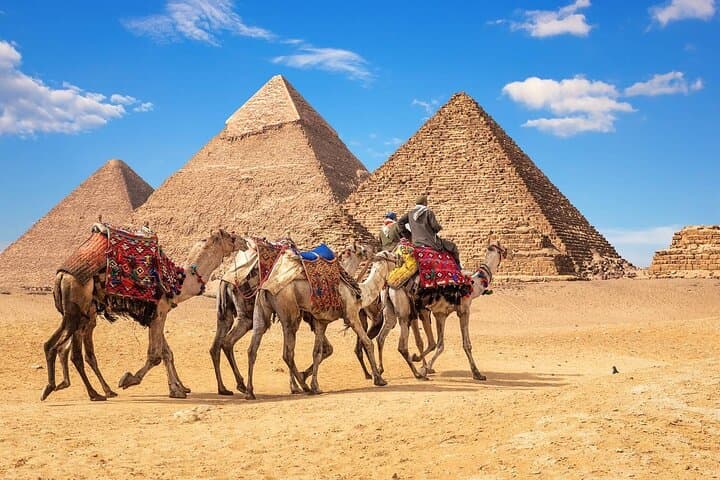
You wake before dawn in Sharm El Sheikh, the bus idling as headlights slice through Sinai’s flat, ochre plains. The road unfurls toward the Nile—an abrupt green ribbon—and by midday the Giza plateau looms, stone blocks catching sunlight like a challenge. Stand at the base of the Great Pyramid and the scale shifts: these are not relics so much as a weathered ambition, their faces cut from local limestone and mortar that has borne sand and time for millennia.
Verified experiences and guided adventures in the surrounding area.
Operated by E.T.O Travels · Cairo, Cairo Governorate
You wake before dawn in Sharm El Sheikh, the bus idling as headlights slice through Sinai’s flat, ochre plains. The road unfurls toward the Nile—an abrupt green ribbon—and by midday the Giza plateau looms, stone blocks catching sunlight like a challenge. Stand at the base of the Great Pyramid and the scale shifts: these are not relics so much as a weathered ambition, their faces cut from local limestone and mortar that has borne sand and time for millennia.
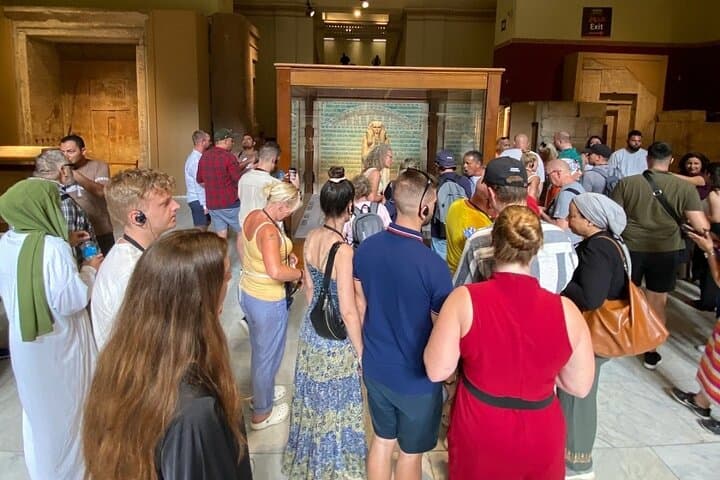
History here reads in layers. The pyramids and Sphinx record royal funerary practice and engineering from the Old Kingdom; the Egyptian Museum in Tahrir holds millennia of artifacts from pharaonic life to Tutankhamun’s mask. Geologically, the plateau is Jurassic limestone; wind and sand have modeled the surface you walk. Culturally, Cairo hums—street vendors, Nile feluccas, vendors in the papyrus factory offering handmade sheets—every element braided into the city’s pulse.
Practicalities move quickly: this is a long road trip (expect many hours each way), so plan for seated time, bring a filled reusable water bottle, sun protection, and comfortable shoes for uneven limestone and packed sand. The tour includes entrance fees and a buffet lunch (drinks extra). There are restroom stops and a small toilet on board, but don’t rely on it for comfort on a day of this length.
Aim for an early start, carry your passport and any visa documents, and leave room in your pack for photos, small purchases, and the heat of a very Egyptian afternoon.
moderate.
20–22 hours.
You should be comfortable with long periods of sitting plus short periods of walking on uneven terrain; basic mobility required for museum and plateau access.
Each leg is typically about 6–8 hours by road depending on stops and traffic; expect a full-day schedule with several hours of driving each way.
Yes—entrance tickets to the Egyptian Museum and Giza plateau, plus an open buffet lunch, are included; drinks at lunch are usually at your own expense.
Visa requirements depend on your nationality—many visitors can obtain an e-visa or visa on arrival in Egypt; check embassy guidance before travel and carry your passport.
The bus has a small onboard toilet, but comfort stops are limited—bring tissues and hand sanitizer and use stops when available.
The Great Pyramid of Khufu (Cheops) is the only surviving monument of the ancient Seven Wonders; the Egyptian Museum houses the world’s largest collection of pharaonic artifacts, including Tutankhamun’s funerary mask.
Heavy visitation stresses archaeological sites—keep to marked areas, don’t climb monuments, and support legitimate local craft sellers; avoid plastic waste by using a refillable bottle.
E.T.O Travels operates guided outdoor trips and adventures with an emphasis on safety, stewardship, and memorable experiences.
You wake before dawn in Sharm El Sheikh, the bus idling as headlights slice through Sinai’s flat, ochre plains. The road unfurls toward the Nile—an abrupt green ribbon—and by midday the Giza plateau looms, stone blocks catching sunlight like a challenge. Stand at the base of the Great Pyramid and the scale shifts: these are not relics so much as a weathered ambition, their faces cut from local limestone and mortar that has borne sand and time for millennia.
You wake before dawn in Sharm El Sheikh, the bus idling as headlights slice through Sinai’s flat, ochre plains. The road unfurls toward the Nile—an abrupt green ribbon—and by midday the Giza plateau looms, stone blocks catching sunlight like a challenge. Stand at the base of the Great Pyramid and the scale shifts: these are not relics so much as a weathered ambition, their faces cut from local limestone and mortar that has borne sand and time for millennia.
History here reads in layers. The pyramids and Sphinx record royal funerary practice and engineering from the Old Kingdom; the Egyptian Museum in Tahrir holds millennia of artifacts from pharaonic life to Tutankhamun’s mask. Geologically, the plateau is Jurassic limestone; wind and sand have modeled the surface you walk. Culturally, Cairo hums—street vendors, Nile feluccas, vendors in the papyrus factory offering handmade sheets—every element braided into the city’s pulse.
Practicalities move quickly: this is a long road trip (expect many hours each way), so plan for seated time, bring a filled reusable water bottle, sun protection, and comfortable shoes for uneven limestone and packed sand. The tour includes entrance fees and a buffet lunch (drinks extra). There are restroom stops and a small toilet on board, but don’t rely on it for comfort on a day of this length.
Aim for an early start, carry your passport and any visa documents, and leave room in your pack for photos, small purchases, and the heat of a very Egyptian afternoon.